Signature Practices
How we teach, in ten practices.
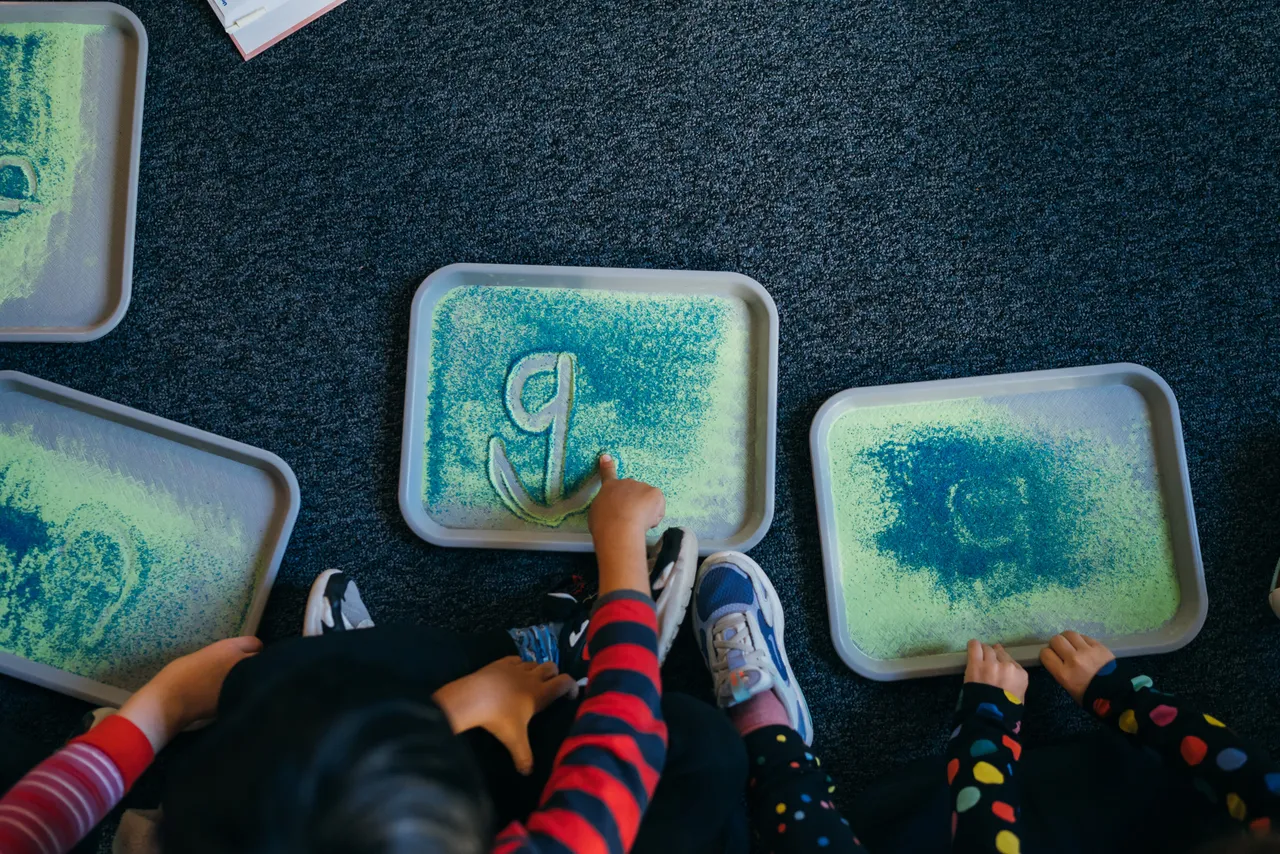
Children are born learning. They arrive curious, experimental, tireless in their investigation of the world. They drop spoons from high chairs to see what happens. They ask questions adults have long since stopped asking. They build theories, test them, revise them, and build again.
The capacity to learn does not need to be taught. It needs to be protected.
Most schools, despite their intentions, are not designed around that idea. They are organized for efficiency: children are grouped by age, knowledge is delivered from the front of the room, progress is measured through tests. Many students learn to succeed within these systems. But over time, something quieter is often diminished — the part of a child that is self-directed, questioning, and intrinsically curious about the world.
At Fayerweather, we have made a different set of commitments that reflect a simple conviction: every child is already a thinker, already a self, already someone whose presence in the world matters.
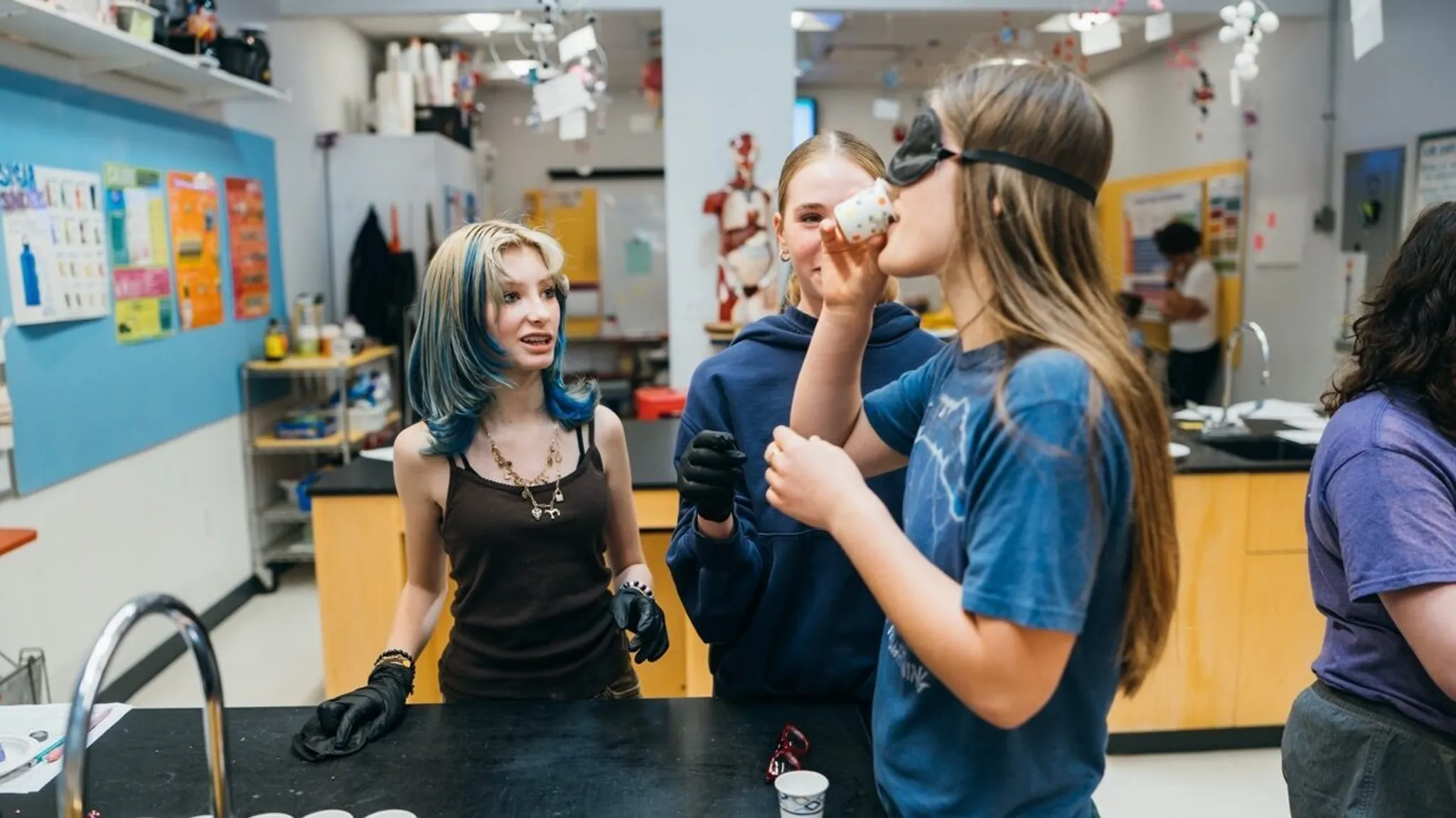
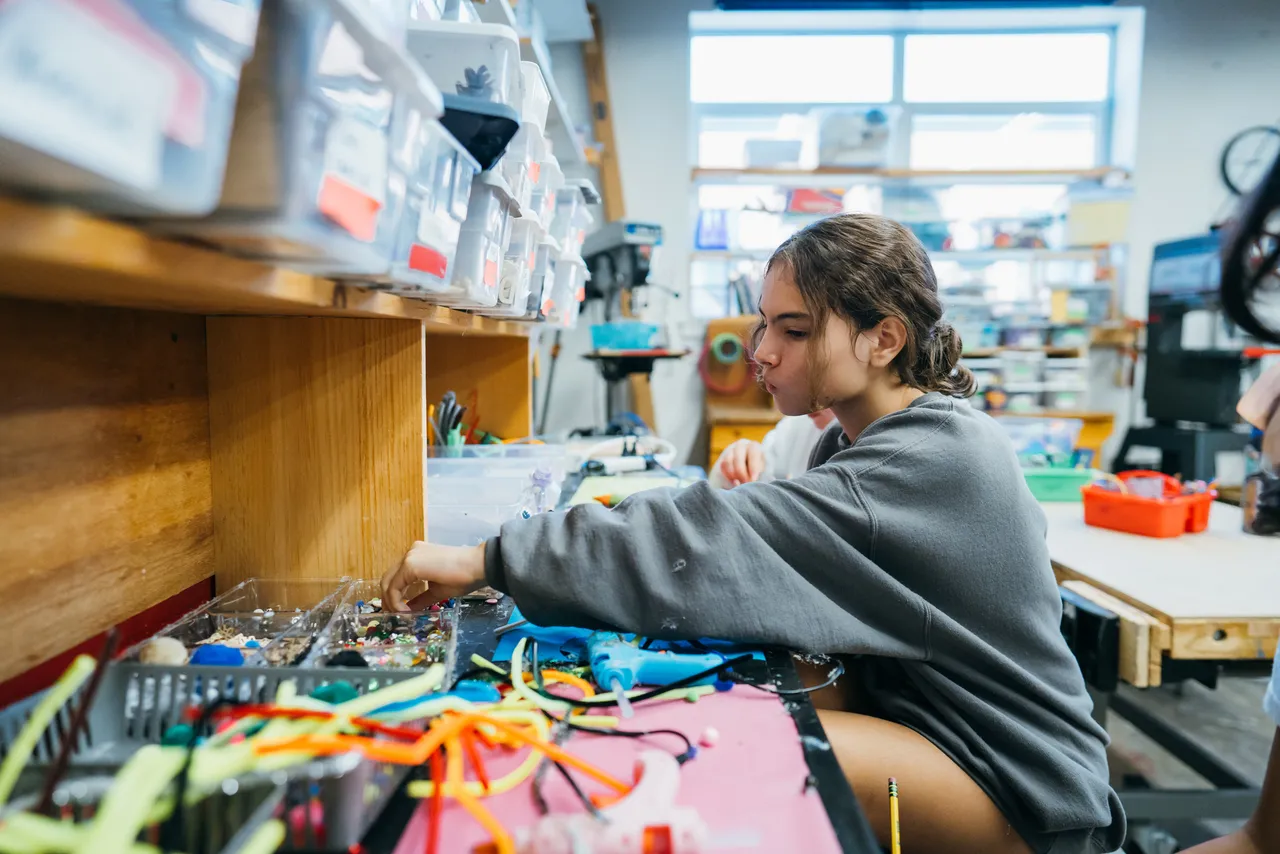
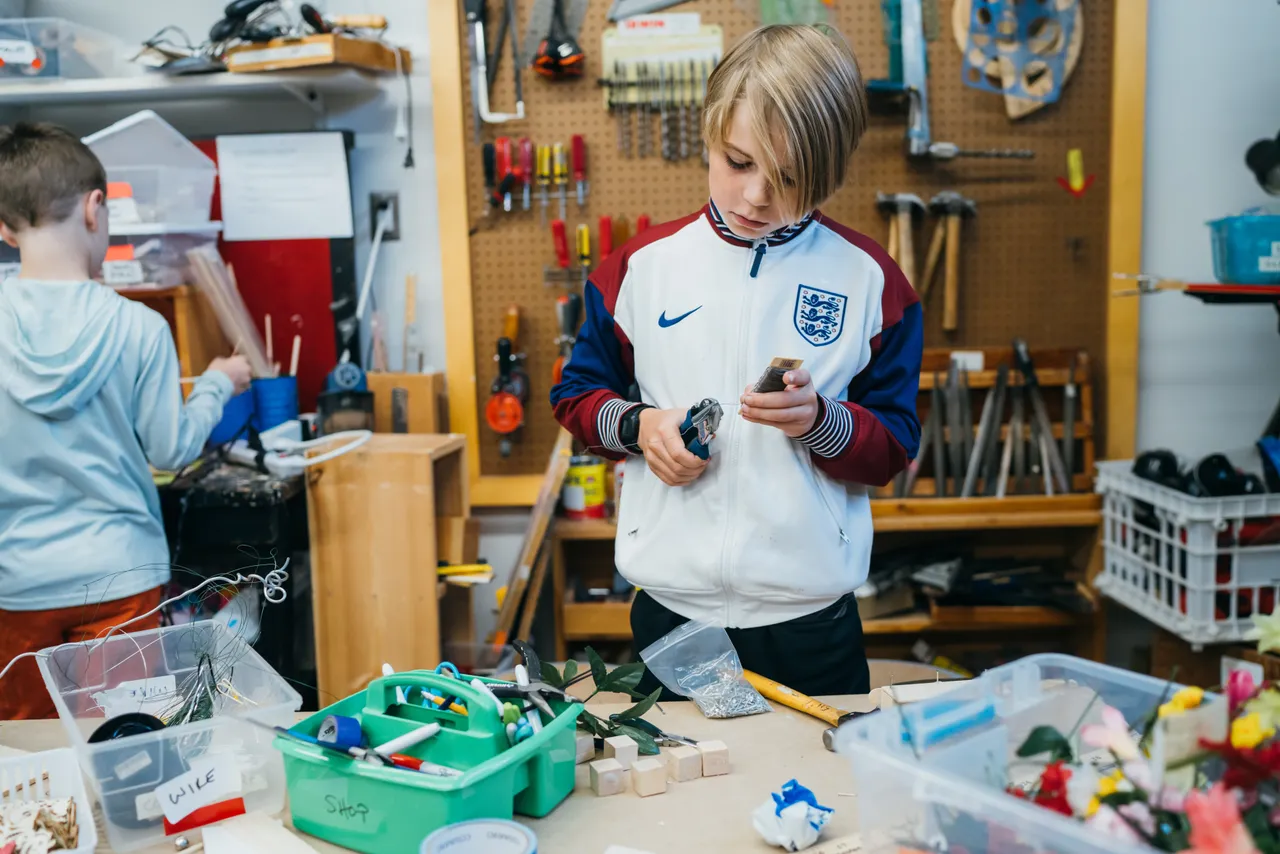
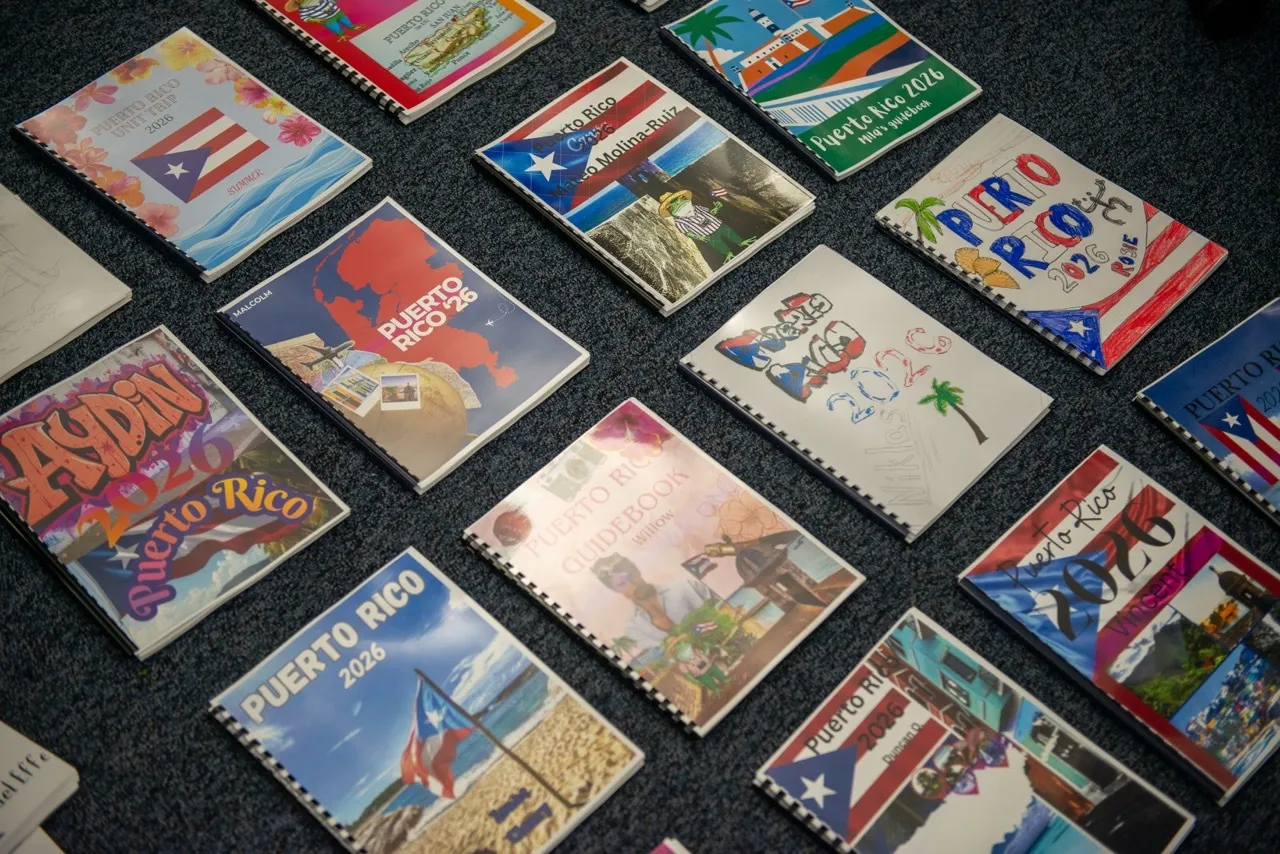
We organize the school around the belief that a child’s learning life is not something to be managed, but something to be taken seriously. Our classes are small. Our teachers stay with children across years, so that each child is really known over time. Students do work that has real purpose and real audiences. We teach in Cambridge, and we take children out into the world.
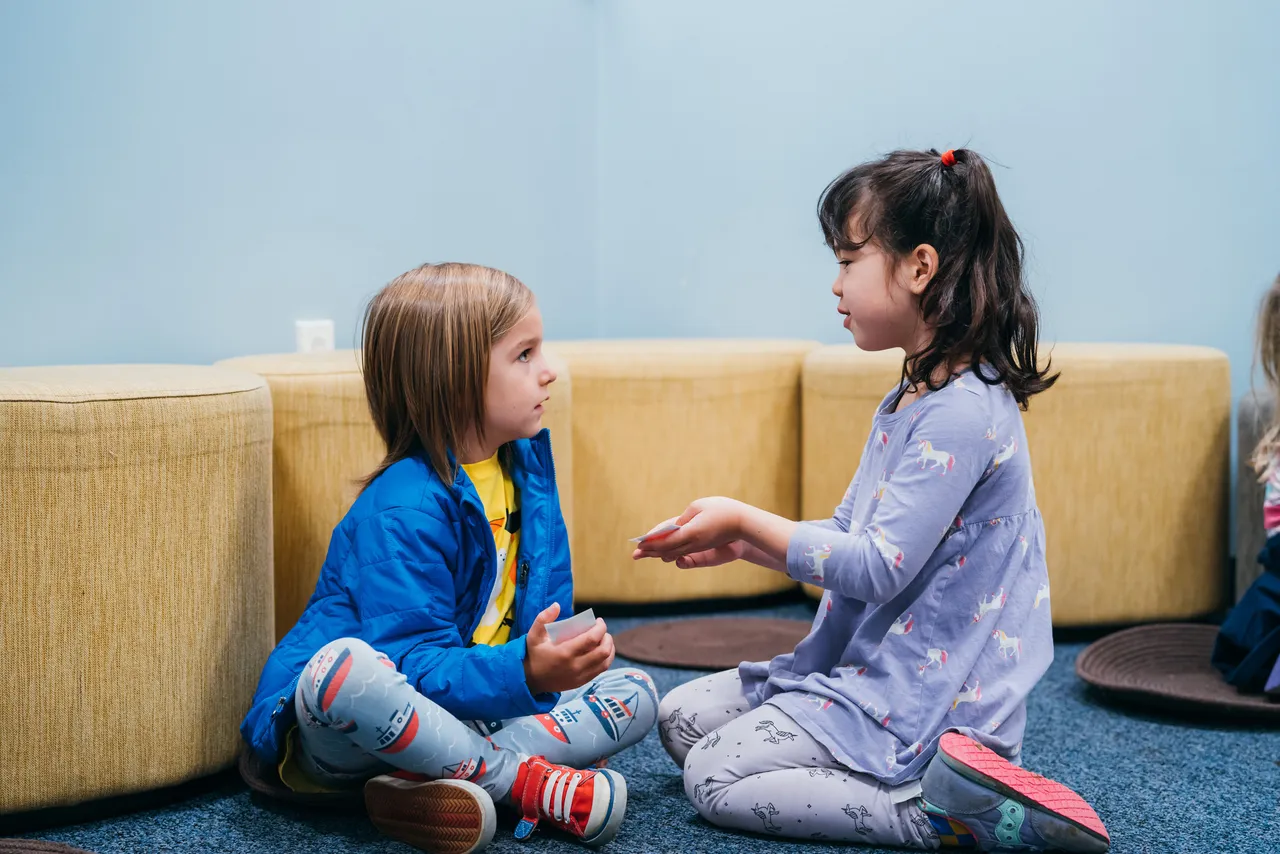
A teacher asking: What do you notice? What do you wonder? A third-grader moderating a town hall. An eighth-grader reading her work aloud to an audience that includes both parents and kindergartners.
Each signature practice is a way of answering the same question: If children are born learning, what is school for?
Signature Practices
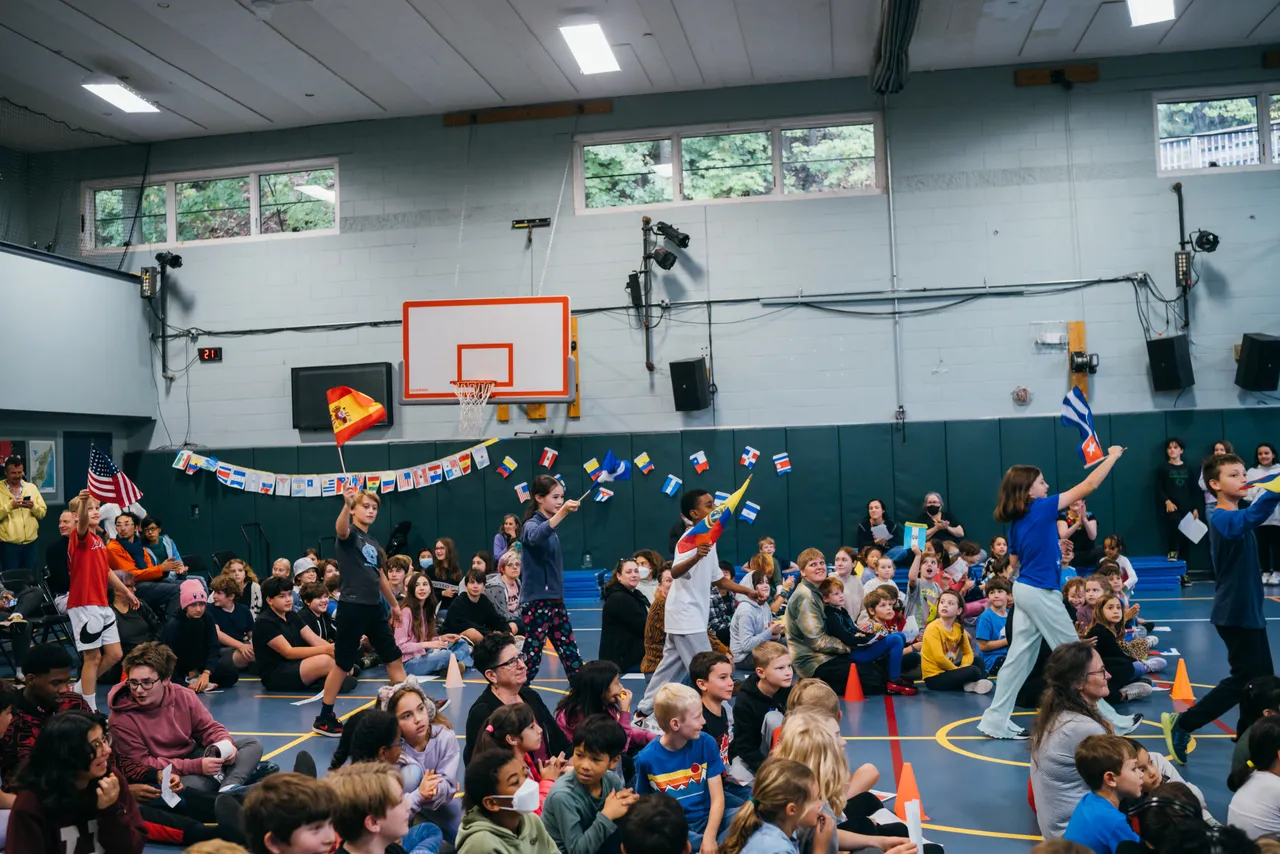
Founded in 1967, Fayerweather is an all-gender independent private school enrolling students in pre-kindergarten through eighth grade and located in Cambridge, MA. Children here are taken seriously — as thinkers, as individuals, as people whose presence in the world already matters. They learn by doing real things, in real places, for real audiences. They become themselves, in community, over time.