Learning by Doing
Children learn by doing real things for real reasons.
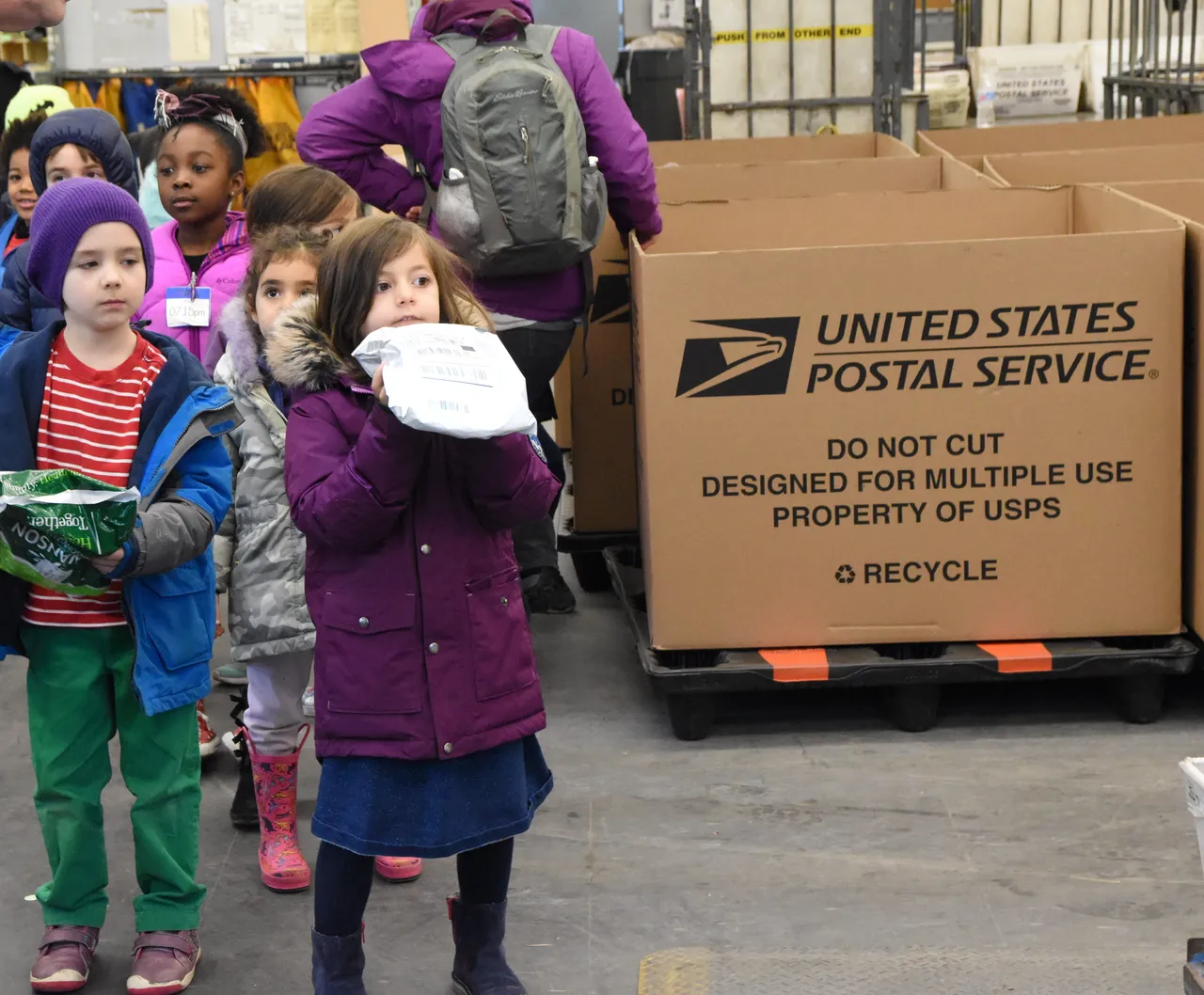
For us, the work children do is the thing itself. Children here write letters that are sent, conduct research that is presented, make arguments that are defended, and build things that are used. The work matters outside the classroom because it was meant to.
This is what we mean by learning by doing. Children build academic skills — writing, reasoning, research, creating, argument — in the act of using them. Skills developed this way are durable. They belong to the child.
What it looks like
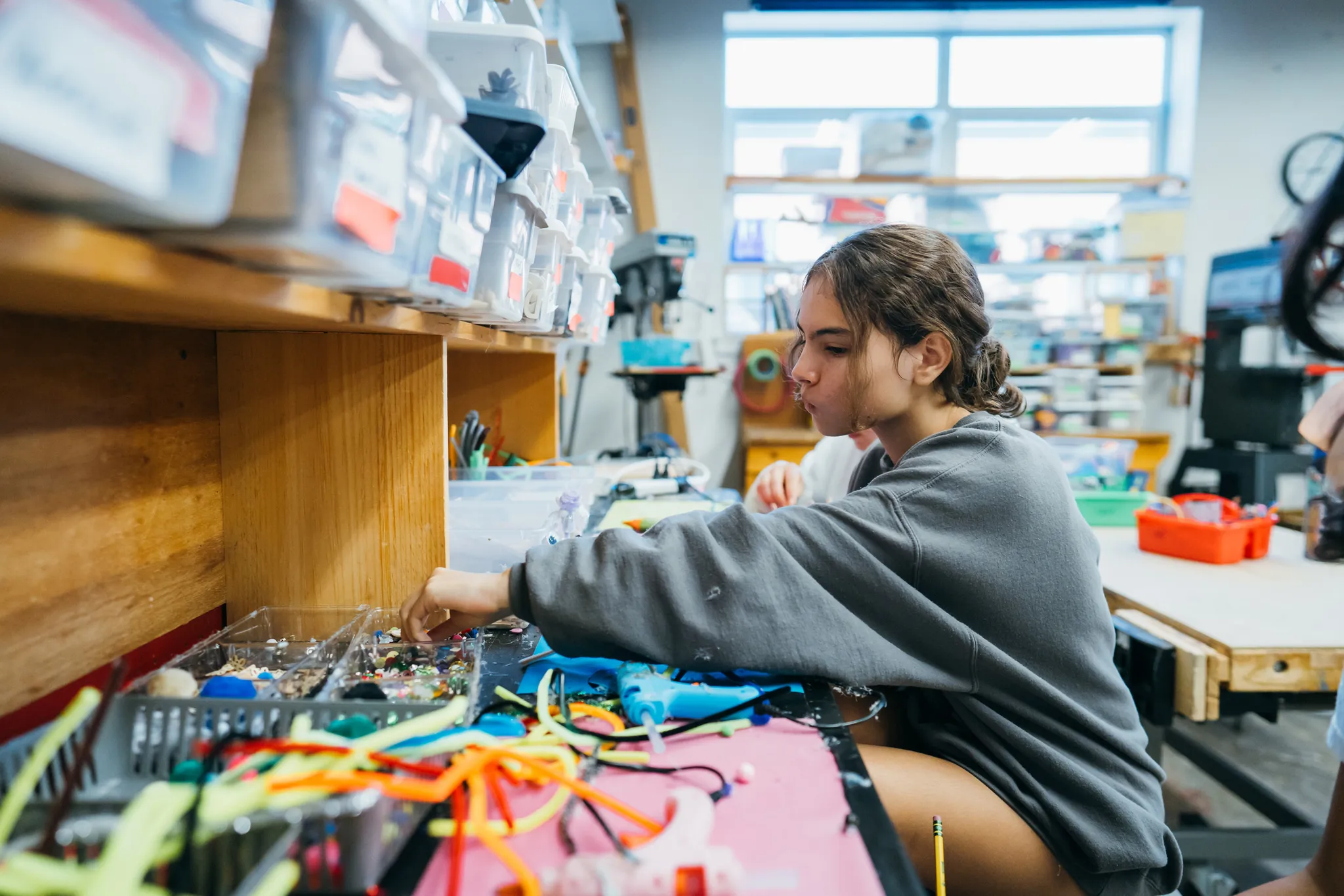
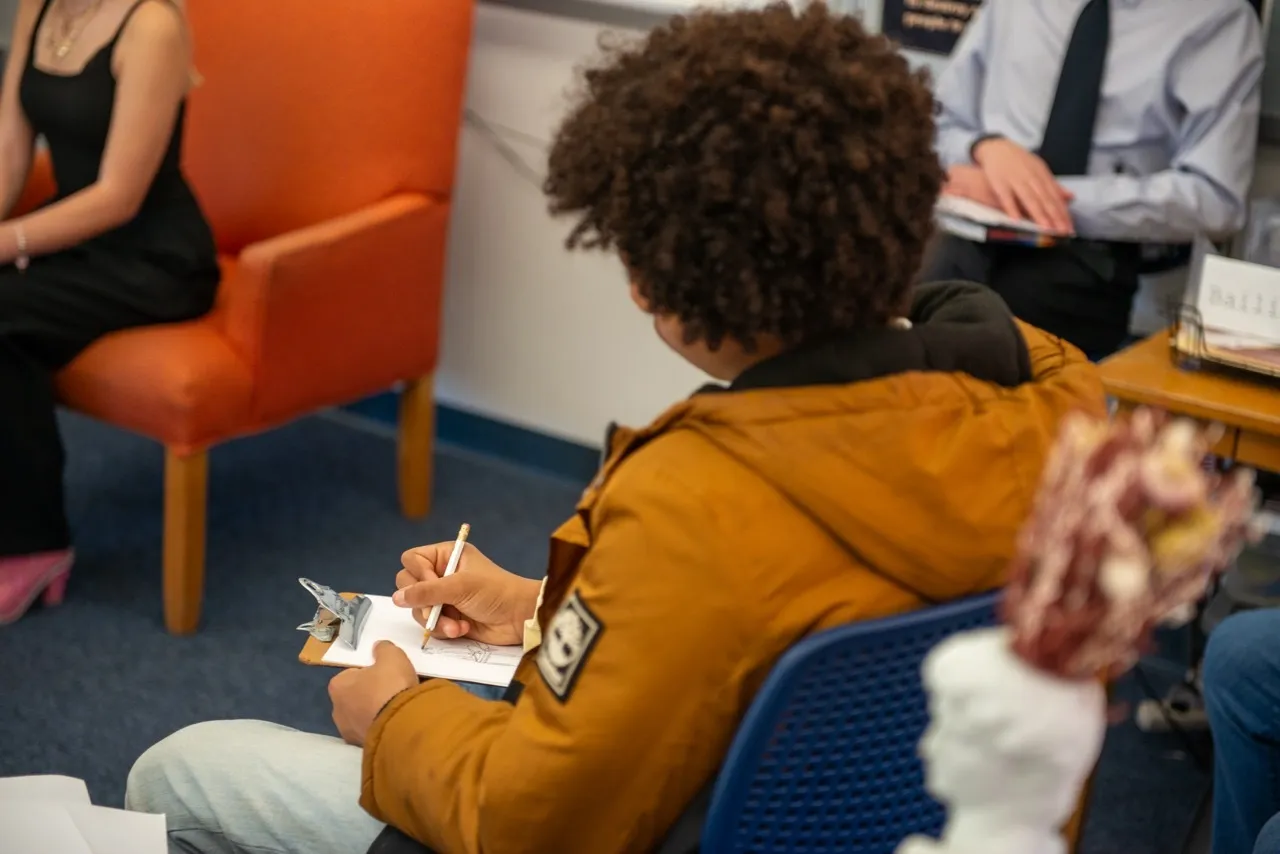
A classroom in the middle of project work looks different from the conventional picture of school. Children are rarely all doing the same thing at the same time. Some are interviewing. Some are drafting. Some are measuring or building or arguing over a source. Our teachers move among them, pressing the work forward with questions, offering language, holding the standard.
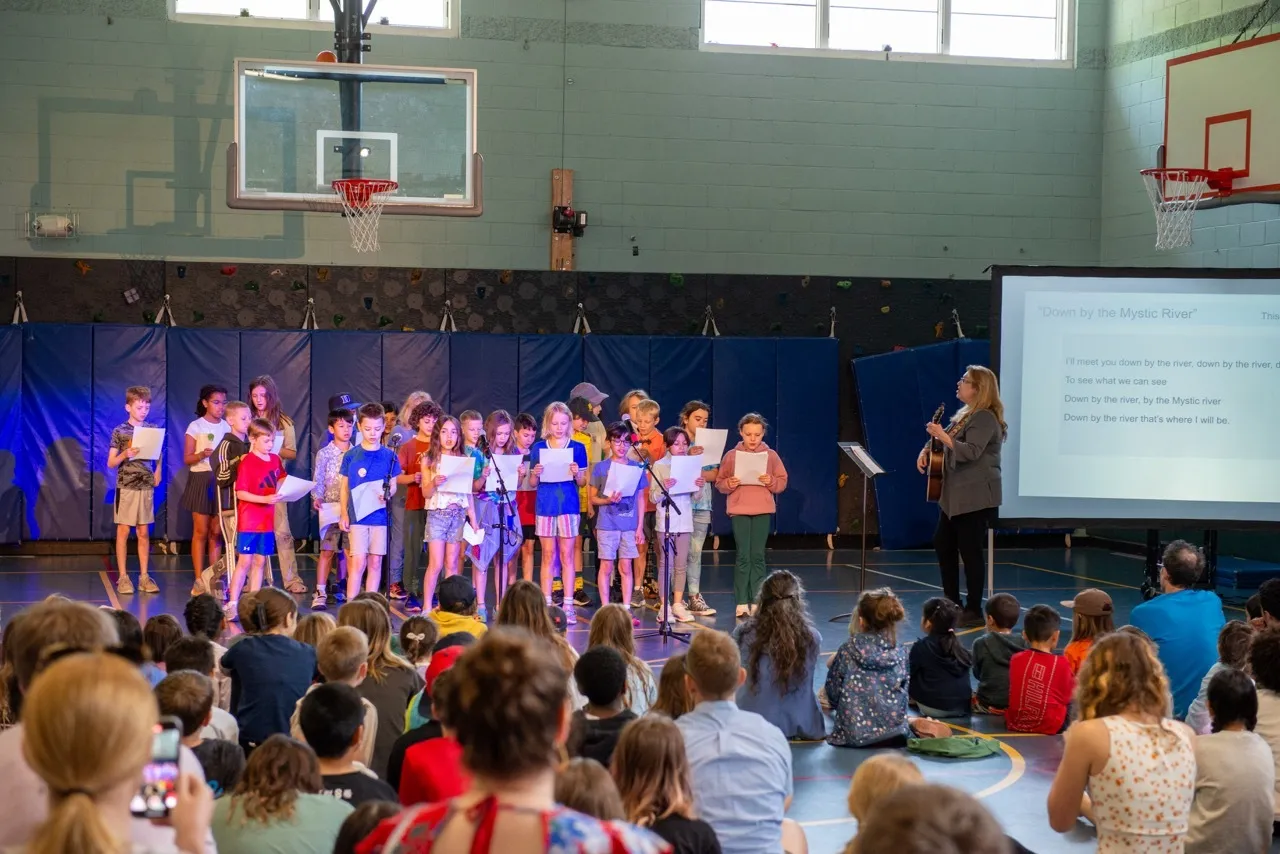
What distinguishes the work is its destination. The letter will be sent. The essay will be read aloud. The research will become a presentation to parents, or to younger students, or to people from the community who came to listen. The map will be hung in the library. This changes everything about how children approach the work. A piece of writing meant for a city councilor is revised differently than a piece of writing that will be graded and filed. Research meant to inform a real conversation is gathered with different care.
What the practice develops in children
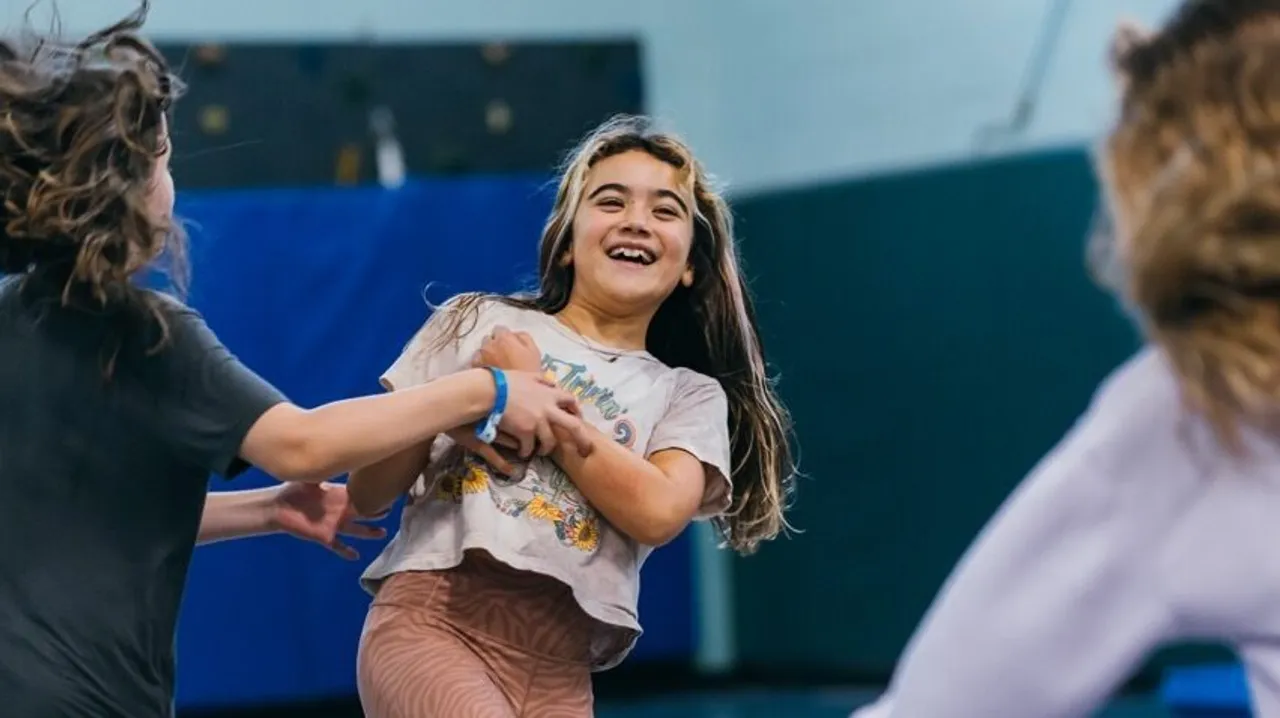
Our students develop a felt sense that their contributions matter, and that the world is a place that will receive their work if they do it well.
They also build academic skills, not as abstractions but in use. How to research a question. How to construct an argument. How to write to an audience. How to revise. How to present with clarity. How to stay with a hard project over weeks or months. These become lasting capacities because they were built by being used.
A pedagogy with a long history
Learning by doing has been refined over more than a century of educational thought. John Dewey argued at the turn of the twentieth century that children learn through experience, through action, through work that has consequence — and that schools that treat learning as abstract preparation for a distant adulthood miss how children actually develop. The progressive educators who founded Fayerweather were part of that tradition. The framework now known as project-based learning, or PBL, draws from the same lineage. Our faculty train with PBL Works, the organization most responsible for codifying the methodology, and we refine our projects year after year.
This practice in action.
Each year, children at every grade level take on projects that have come to define what a Fayerweather education feels like. Each begins with a real question, unfolds over weeks or months, and culminates in something made or written or performed for an audience beyond the classroom.
Grades 5/6
The Petitioner's Project
Students partner with Revolutionary Spaces at The Old State House to investigate an uncomfortable truth at the center of American founding history: the people most affected by unjust laws were often the people with the fewest legal tools to challenge them. And yet they challenged them. Students research historical petitioners — enslaved people, free African Americans, Native communities, women, working-class colonists — and trace how individuals without the right to vote nonetheless advocated for freedom, land, justice, and equality through the act of petition.
The research is specific. Each student traces a particular petitioner: the circumstances that shaped their situation, the petition they brought forward, and the response or silence they received. Students encounter the limits of the historical record — how much is missing, whose voices were preserved and whose were not — and grapple with what it means to tell a story from partial evidence.
The project culminates in collaborative presentations and oral storytelling performances at The Old South Meeting House, one of the sites where petition and assembly shaped the course of American history. Students tell the stories of their petitioners in the place where such stories once echoed, connecting civic action across centuries.
Founded in 1967, Fayerweather is an all-gender independent private school enrolling students in pre-kindergarten through eighth grade and located in Cambridge, MA. Children here are taken seriously — as thinkers, as individuals, as people whose presence in the world already matters. They learn by doing real things, in real places, for real audiences. They become themselves, in community, over time.