
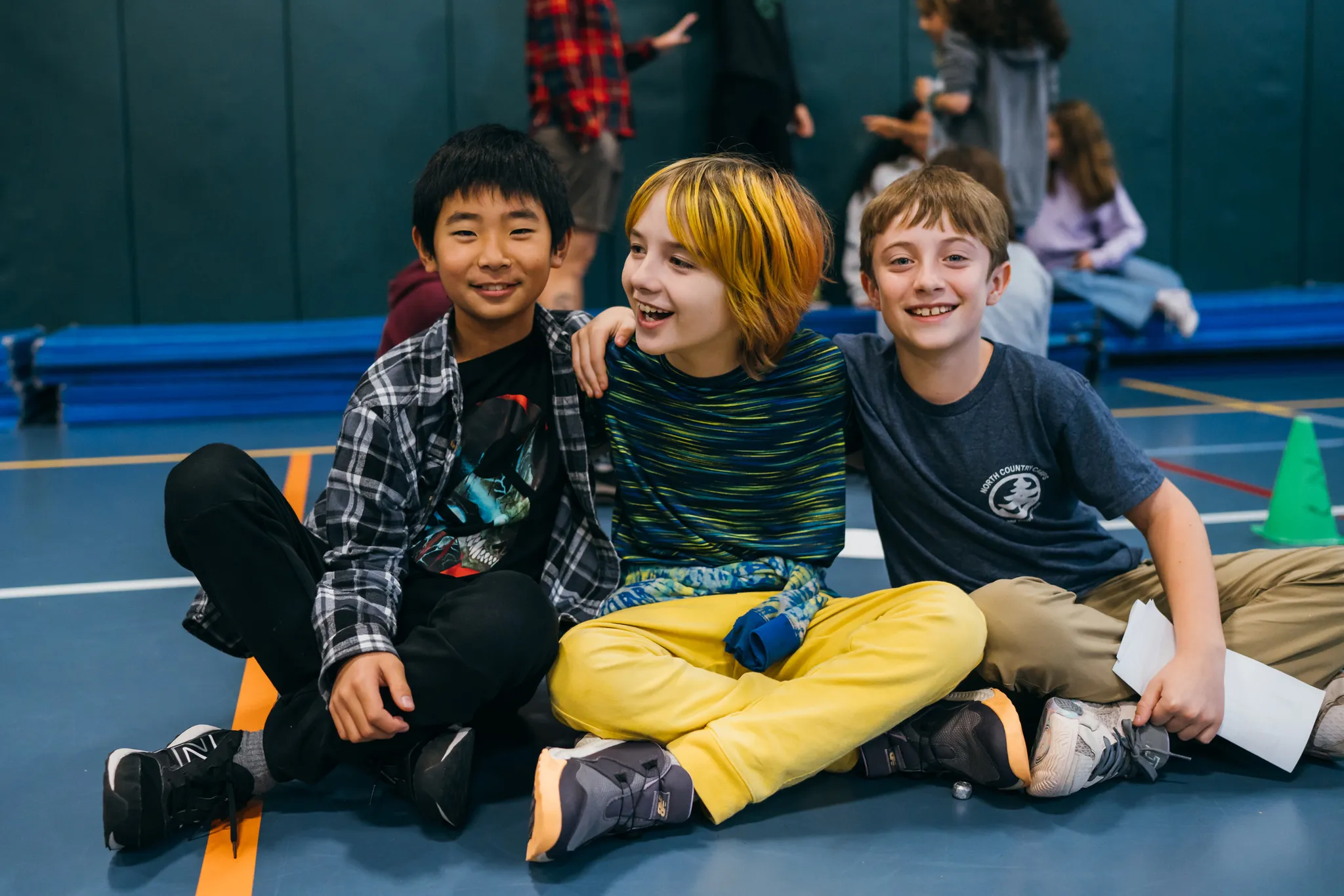
Knowing Every Child
Every child here is known, seen, and loved.
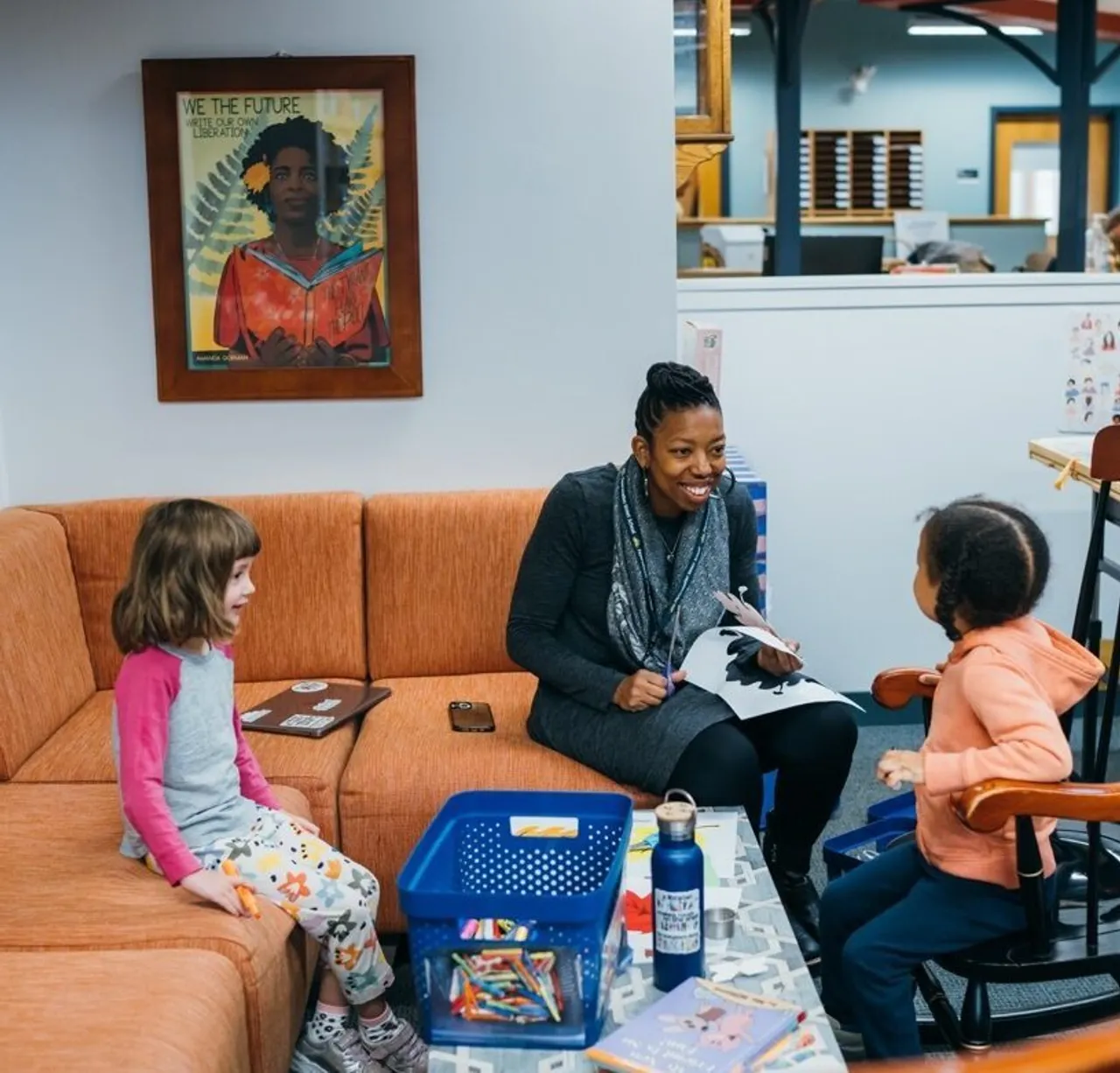
Teachers here know their students by name, by temperament, by what makes them light up, by what they need next. Every instructional decision we make — about pacing, about grouping, about what book to put in a child's hands, about how to approach a hard conversation — begins with genuine understanding of that specific child. Identity, experience, and family are treated as material for teaching, never as background noise to be excluded.
Across multiple teachers and grade bands, each child is known continuously. That continuity — of being seen, recognized, and carried forward by a community of adults who actually know them — is one of the most powerful things we offer, and one of the hardest things to find in any school.
Knowing on this scale does not happen by accident. We have organized the school around it — small class sizes, dual grade-bands that allow students to stay with the same teaching team over two years, and many formal and informal systems that support deep knowing of each child over time.
What it looks like.
The school year begins with six weeks devoted to the work of becoming a community. Drawing on the Responsive Classroom framework, teachers in every grade use this timeframe to establish classroom norms co-created with students, relationships grounded in daily practice, expectations named and lived into together. Academics begin immediately, but they are deliberately second to the work of learning who everyone is. The premise is simple: children learn best when they are known, and when they know the people around them.
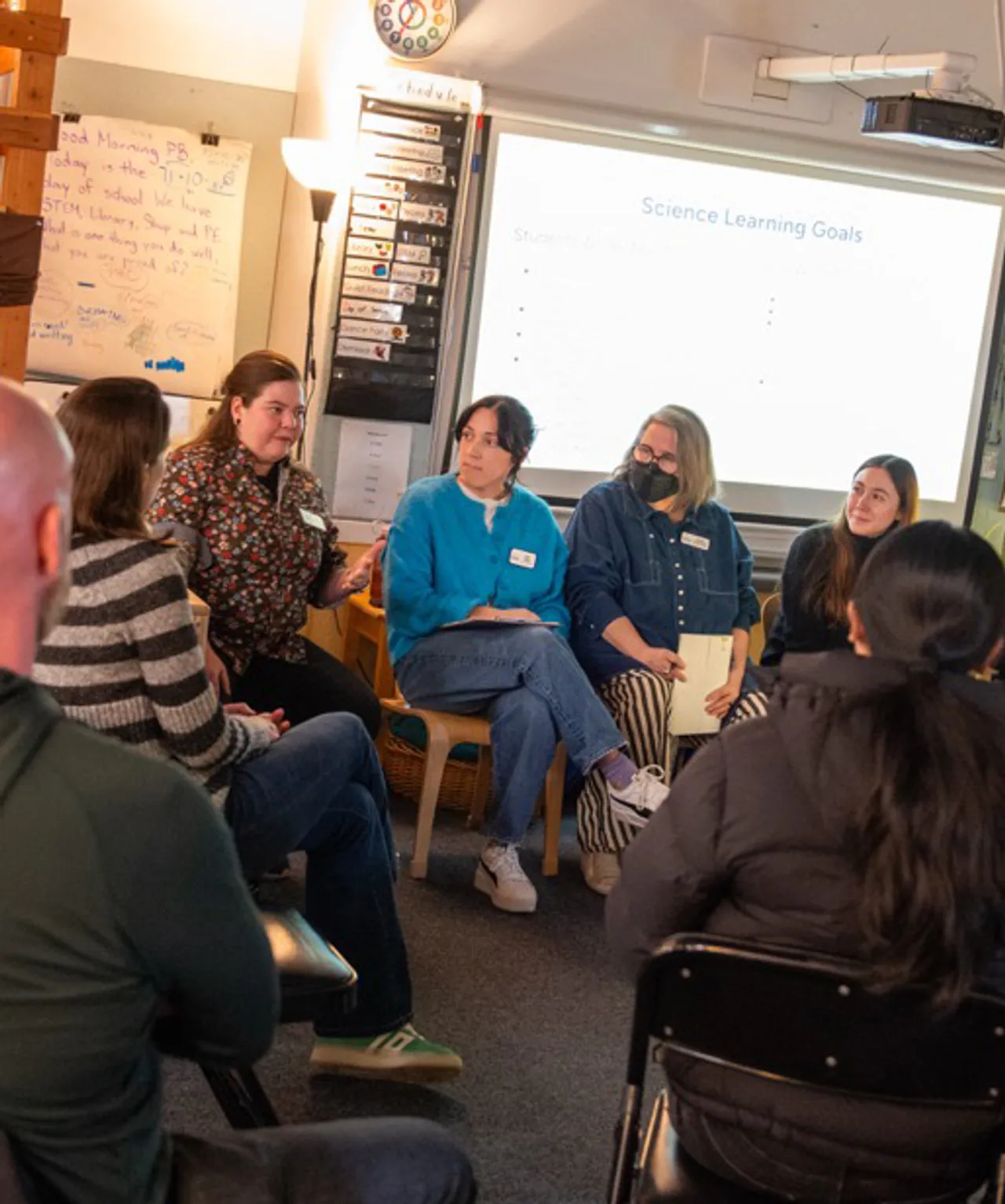
Throughout the year, our faculty convene a weekly practice called Child Study. Any teacher can request one, and the teacher requesting it describes what they are seeing, what they have already tried, and what they are hoping to understand. A learning specialist coordinates the meeting and invites the relevant adults — though all specialists are welcome, and any faculty member can join. The conversation itself is a 360-degree review: every adult who sees the child across the school day contributes what they know. Patterns emerge. Strategies are shared. A plan is made, and a six-week follow-up is scheduled. Child Studies happen for many reasons, and create a formal process by which a child can be understood from multiple angles.
Three times each year, teachers undertake a systematic review of every child in every class. A child who has made significant growth prompts a deliberate acknowledgment to the child and family. A child who is excelling prompts the question of how to extend. A child who is struggling prompts a conversation about what to try next. At key transitions, the teachers who will next work with each child join these conversations, so that what has been learned about each child is passed forward rather than rediscovered each September.
Classes are small. Reports to families are written as narrative accounts about the child's actual work and development. In the middle school, every student has an advisor whose role is to know them as a whole person navigating early adolescence across subjects.
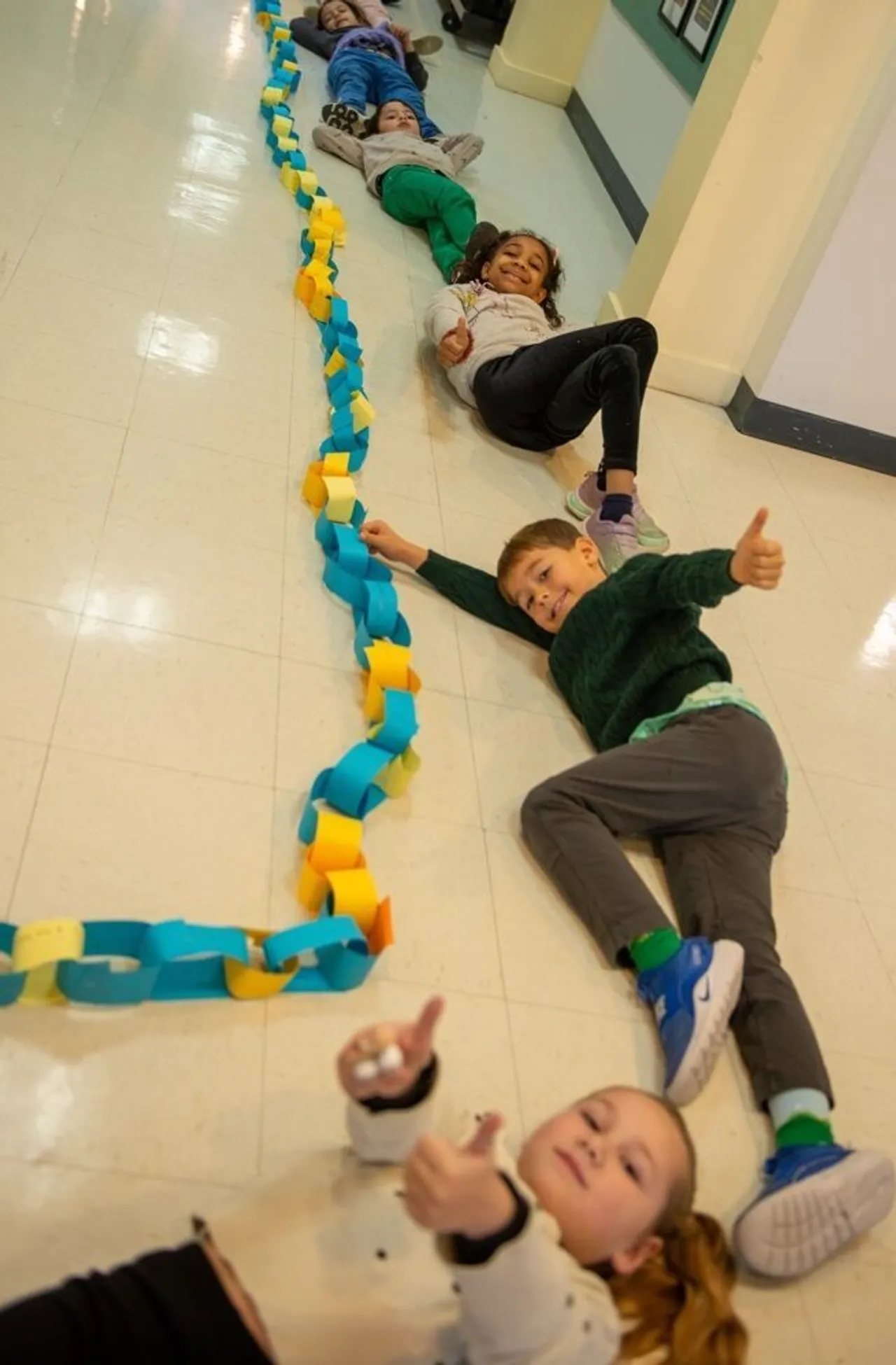
What the practice develops in children.
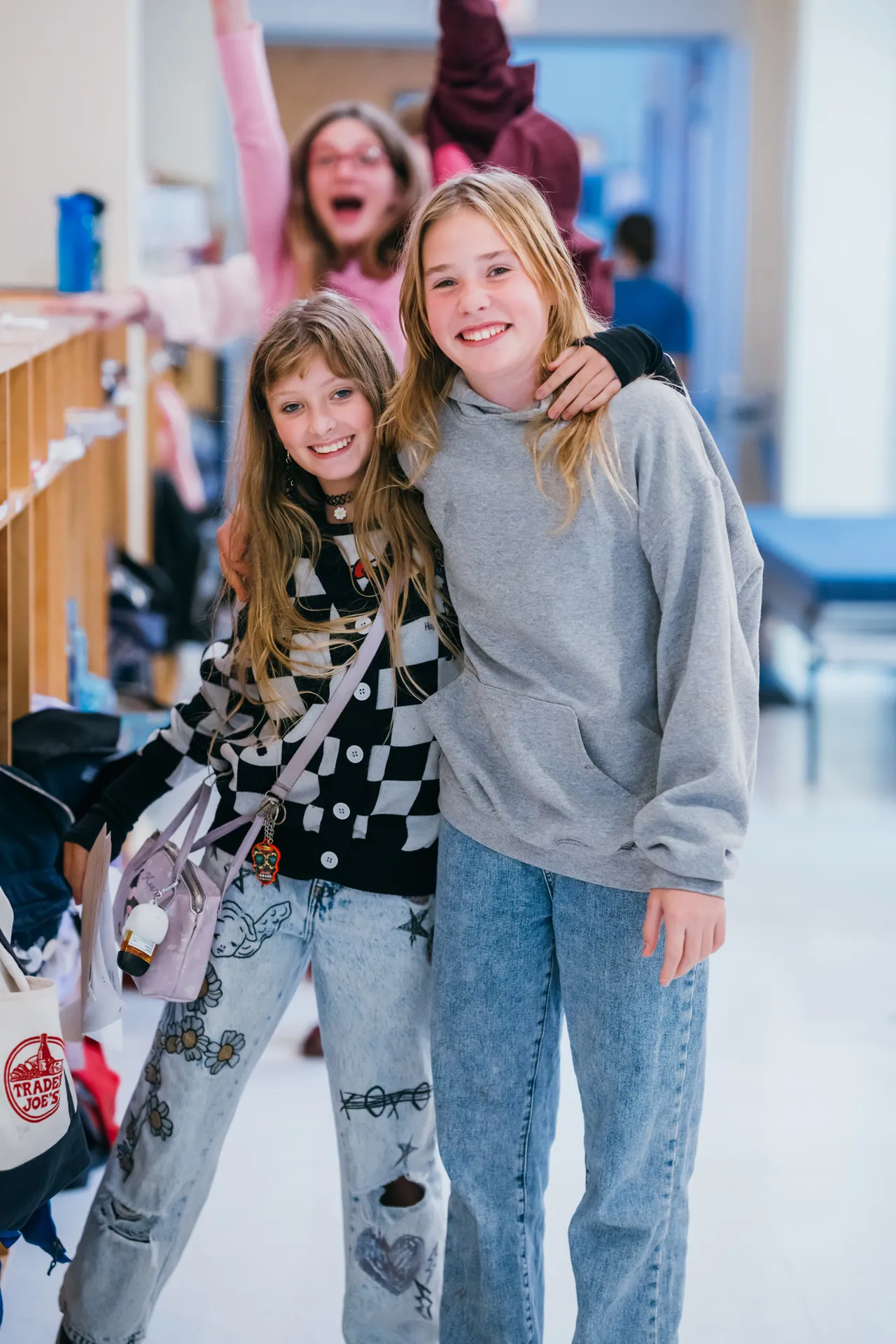
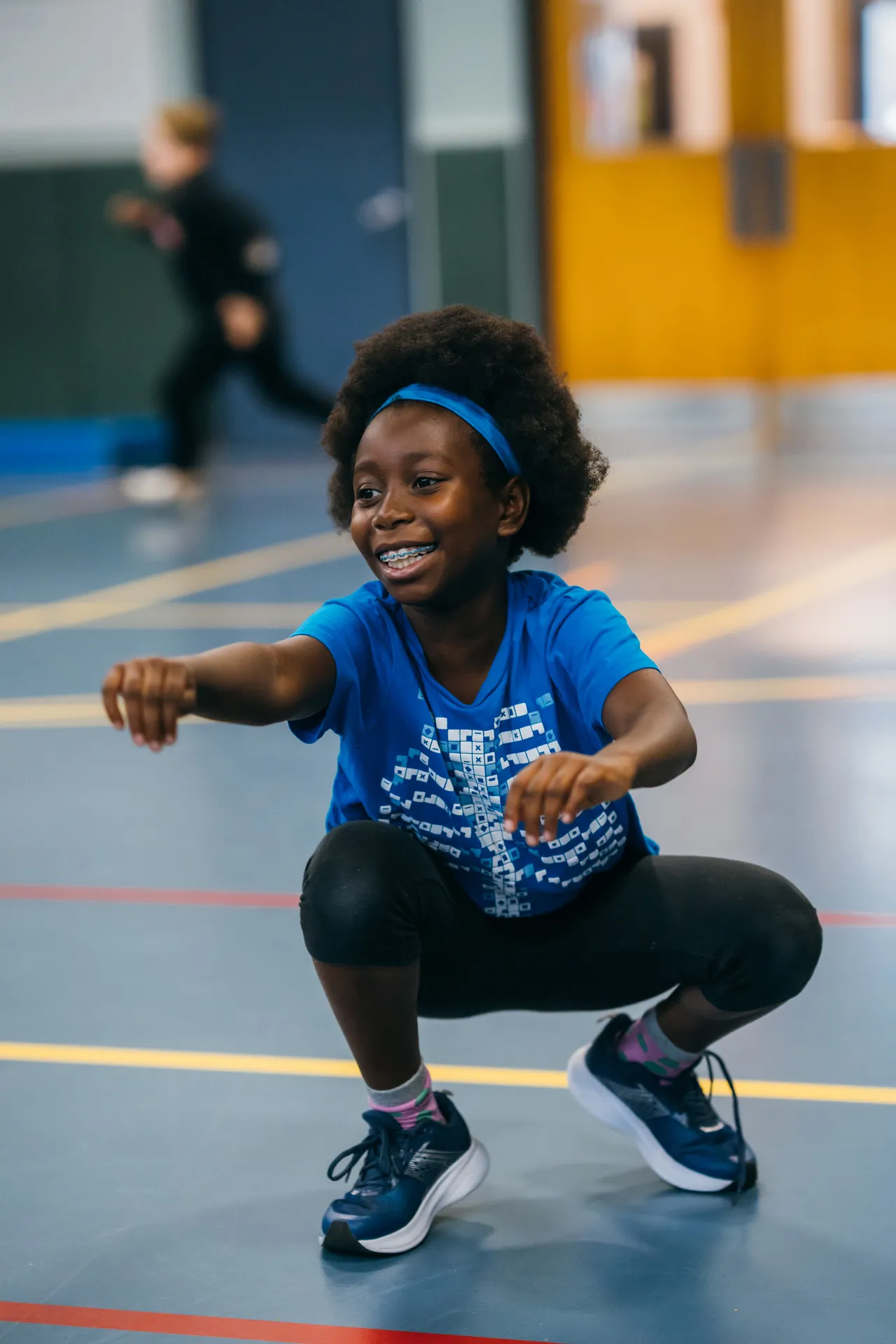
A child who has been known by a community of adults who attend carefully to them leaves Fayerweather with a deep sense of belonging, an internalized validation of self-worth, and an increasing capacity to know themselves accurately. Our students have learned that struggle, mistakes, asking for help, and growth and change are all normal aspects of the human experience.
These capacities carry forward. Middle-schoolers who have grown up trusting that adults know them are able to handle the terrain of early adolescence differently. They move into new settings knowing how to let themselves be seen, and how to seek out adults who will see them.
A pedagogy with a long history
The commitment to knowing children well draws on deep traditions in both developmental psychology and progressive education. The psychoanalyst D. W. Winnicott argued that children need to be held in mind by reliable adults in order to develop fully as selves — that being known is a foundational need, not a cultural nicety. The Responsive Classroom framework, on which our opening weeks are built, synthesizes decades of research on how intentional community-building and individual attention create the conditions for real learning. Our practices — Child Study, the three-times-yearly review, narrative reporting, small classes, looping across grades — are deliberate enactments of this lineage.
This practice in action.
Our commitment to knowing every child is woven into the daily structure of the school rather than lived out in discrete projects. The practices below make it concrete.
Grades PreK through 8
The First Six Weeks
The school year doesn't start with curriculum. It starts with community. In the first six weeks, teachers invest significant time helping students build the habits, relationships, and shared agreements that will carry the class through the year. Students establish classroom norms together, practice the routines that will structure their days, and begin the process of knowing each other and their teachers begin the process of knowing them.
This is the foundation for the work of the school year. Children learn best in environments where they feel known and safe, where routines are predictable, and where there is consistency for behaviors and expectations, and the first six weeks at Fayerweather are invested in building exactly that. A class that has done this well can take intellectual risks, disagree productively, and persevere through difficulty because they've built the trust that makes all of it possible.

Founded in 1967, Fayerweather is an all-gender independent private school enrolling students in pre-kindergarten through eighth grade and located in Cambridge, MA. Children here are taken seriously — as thinkers, as individuals, as people whose presence in the world already matters. They learn by doing real things, in real places, for real audiences. They become themselves, in community, over time.