Becoming, Together
Community is the medium in which children become.
The dominant story of childhood in our culture is about the formation of the individual. Children find themselves. They discover their passions. They build their identities. These framings get at something real, but they miss half the picture. Children do not become themselves in isolation and then bring those selves to their community. They become themselves through community — through the steady company of people who know them, through the slow work of finding their place among others.
For us, community is a set of practices — concrete skills, taught and refined across years — that shape who a child becomes. And identity, a child's growing sense of who they are, is inseparable from community. Each requires the other. Each is the work of the other.
What it looks like.
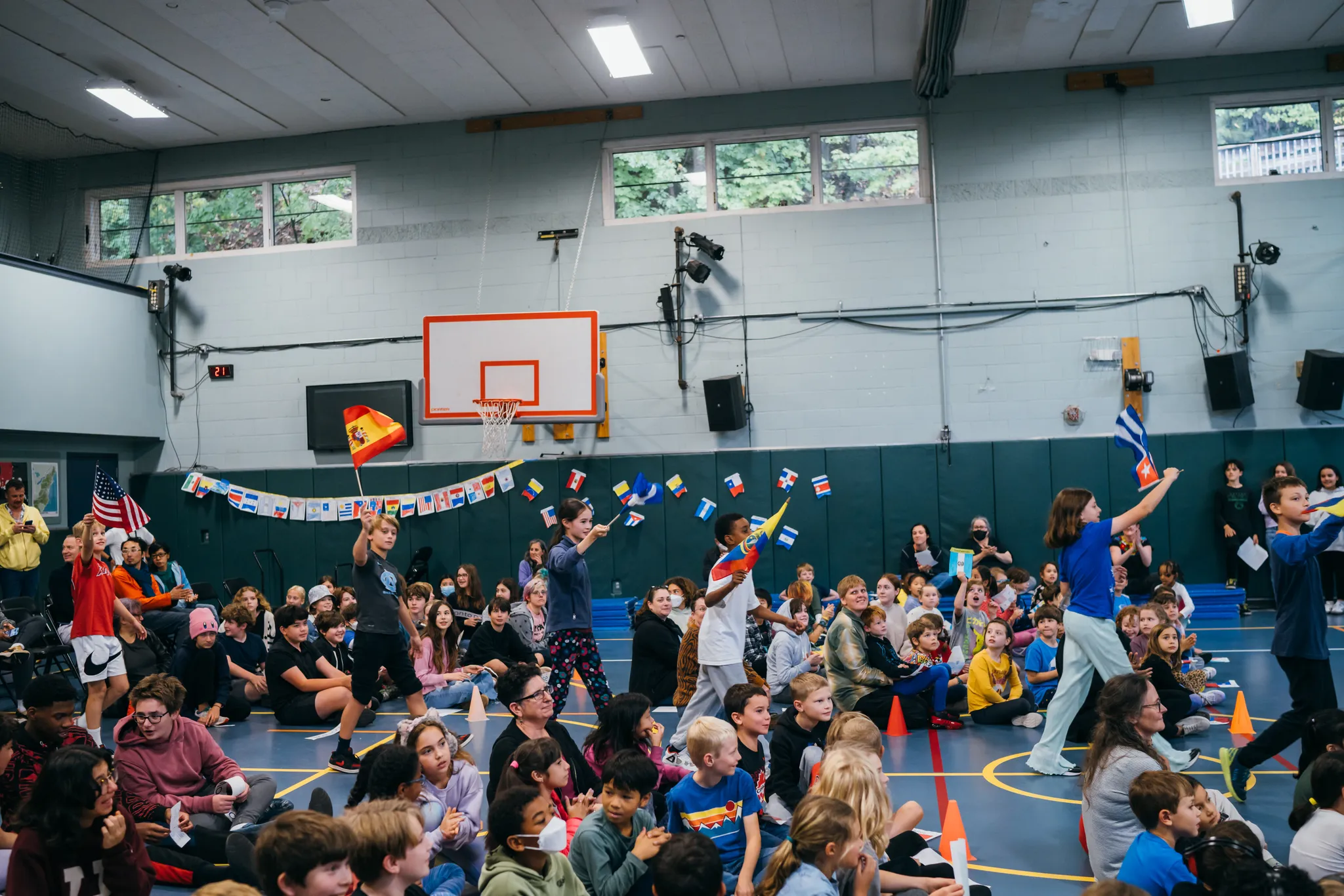
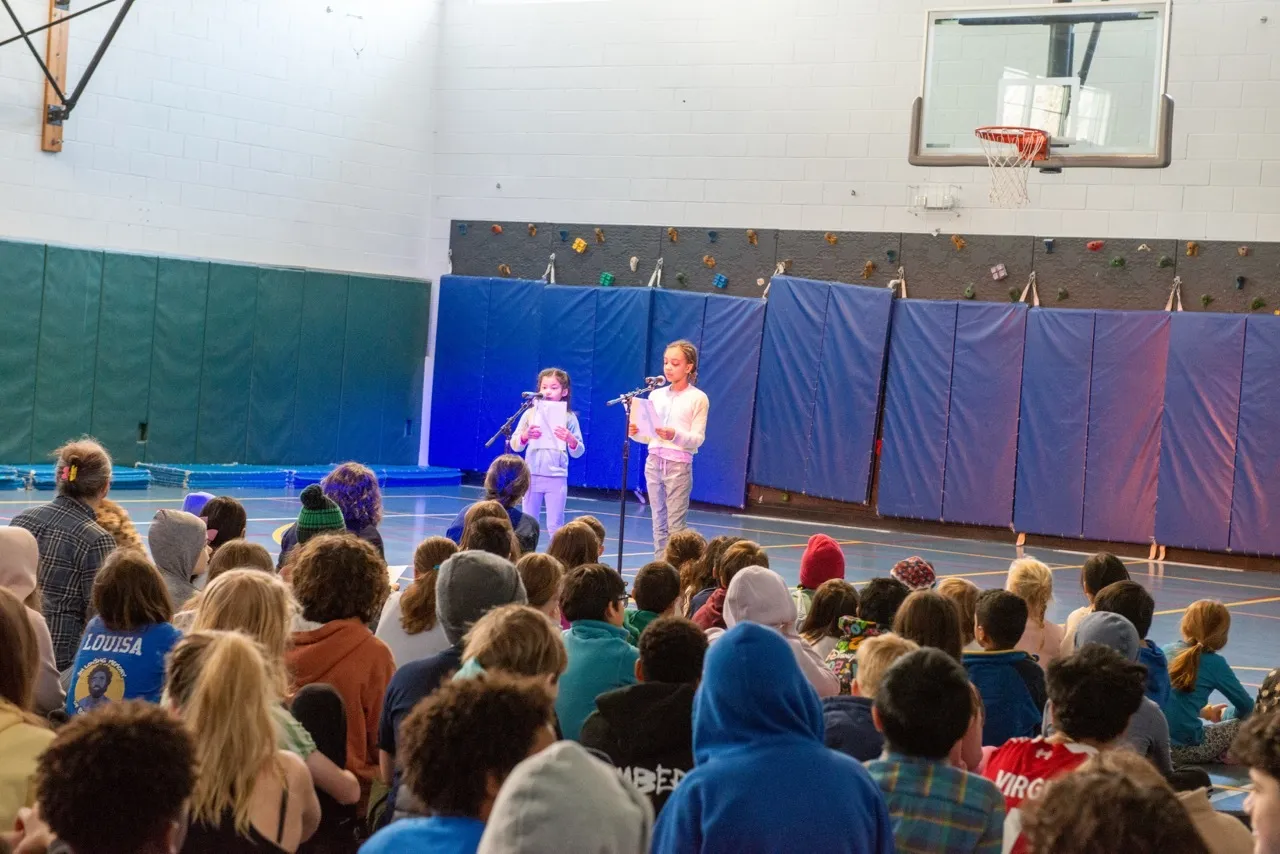
Our school gathers each week for All-School Meeting, where pre-kindergarteners and eighth-graders are in the same room, where children lead, where work is shared and concerns are raised, and where the community holds itself accountable to itself. This happens every week, across every year a child is with us.
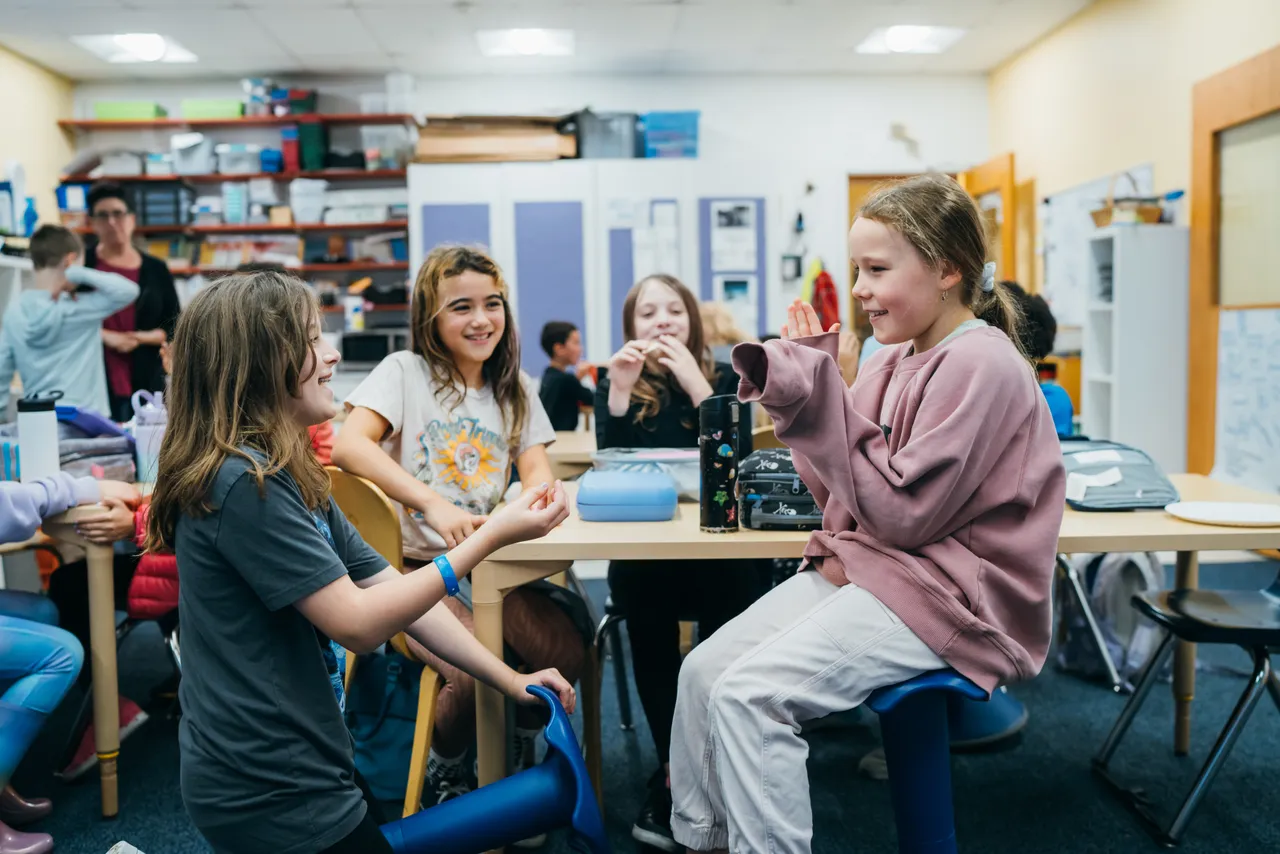
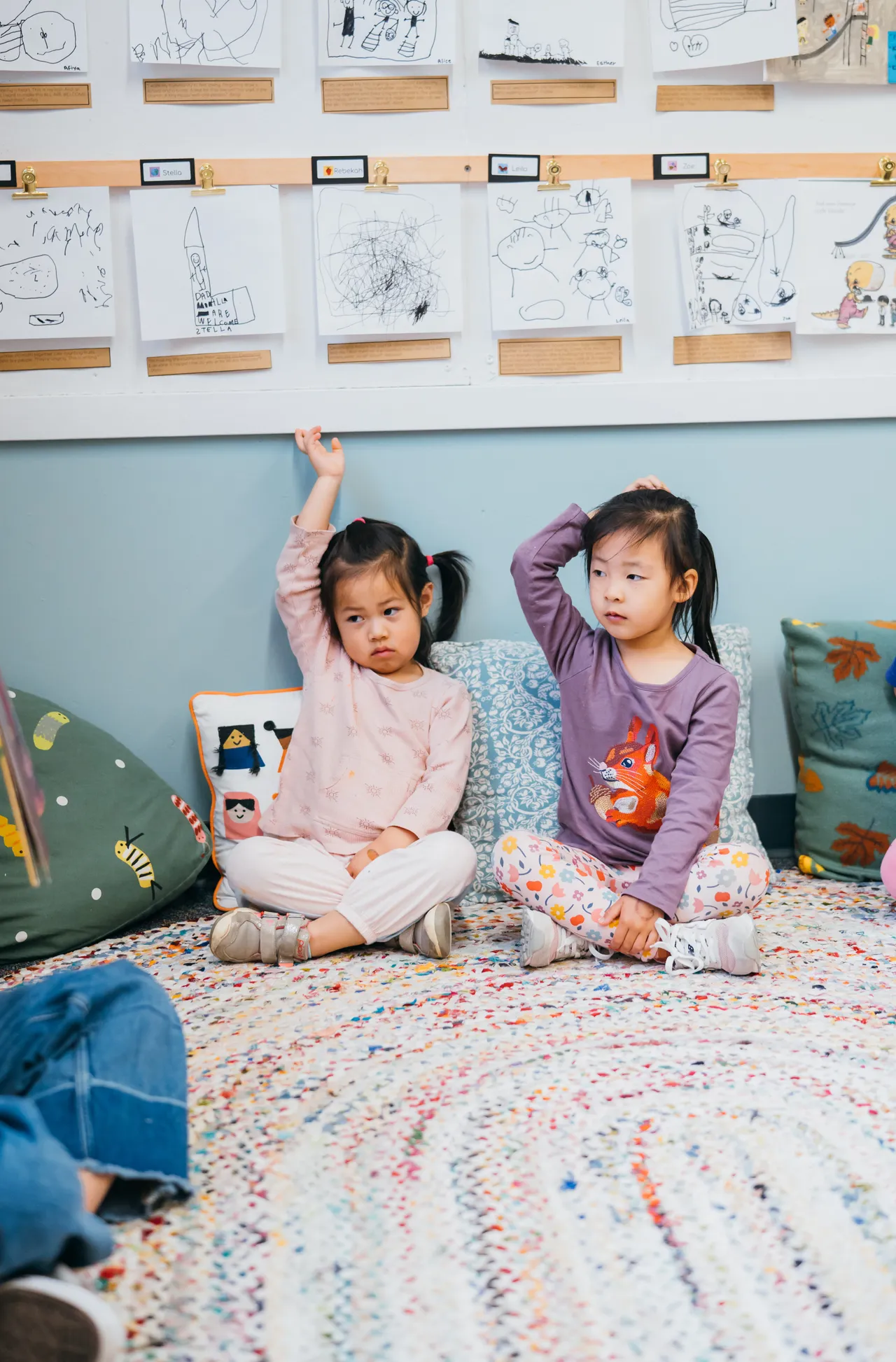
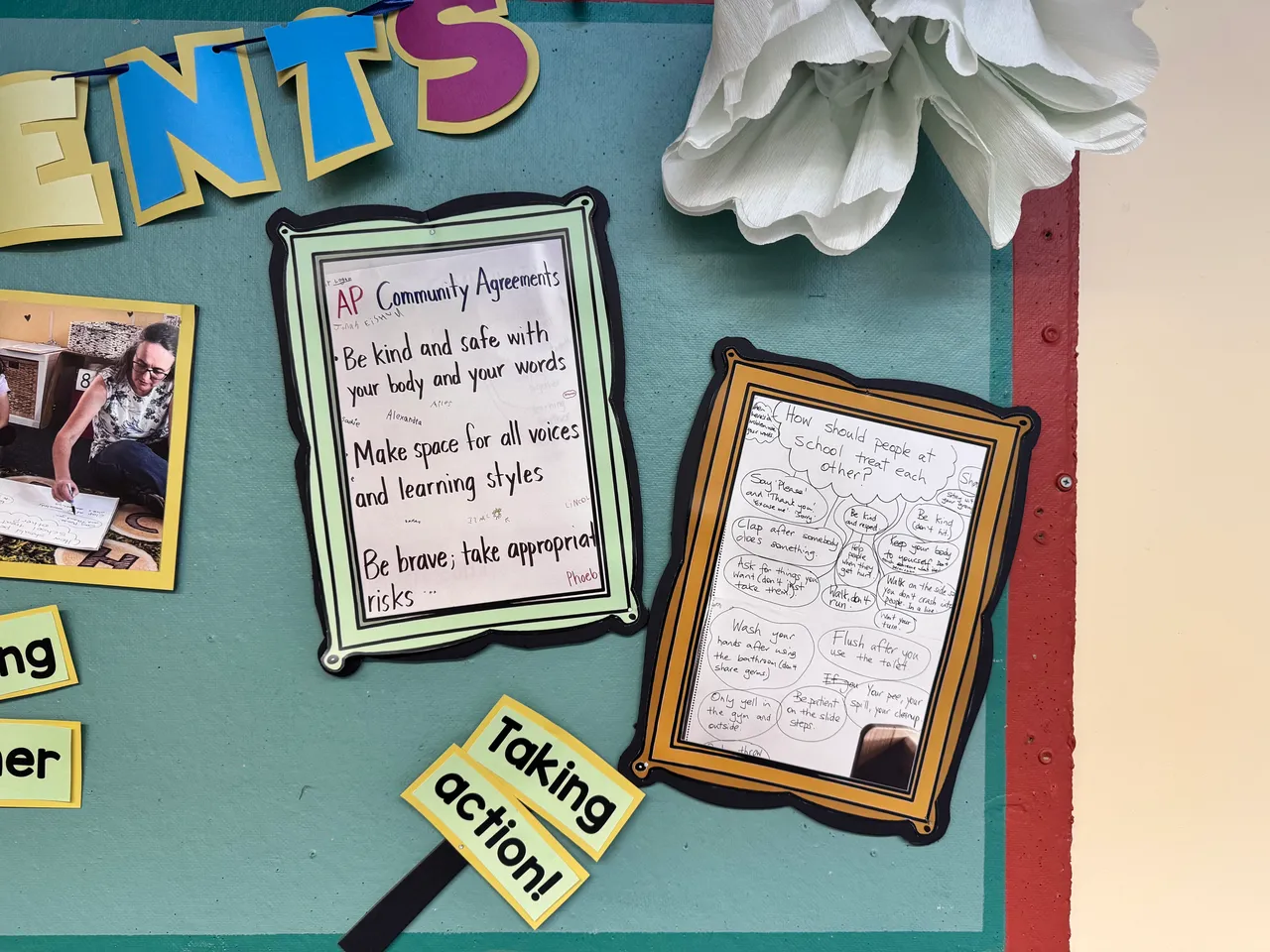
In classrooms, the practice takes many forms. At the start of each year, in every grade, children co-create the agreements that will govern their classroom together — what they need from one another and from their teachers in order to learn and be together. Those agreements are revisited, used to resolve conflicts, and refined as children grow.
Specific practices across the grades build community as a learned capacity. Three Before Me teaches children to turn to their peers before turning to adults, so that classrooms function as mutual resources rather than hubs with a single adult at the center. The Petitioner's Project, in sixth grade, asks each student to identify, research, and advocate for a real civic issue they care about — a practice that joins personal passion with communal engagement. Special Friends programs pair older and younger children across grade levels, so that every child has both someone younger to care for and someone older looking out for them.
By eighth grade, our children have grown up alongside the same peers, known by the same adults, in a school small enough to hold every child in view. They have been known. They have learned to know others. They have become specific people, together.
What the practice develops in children.
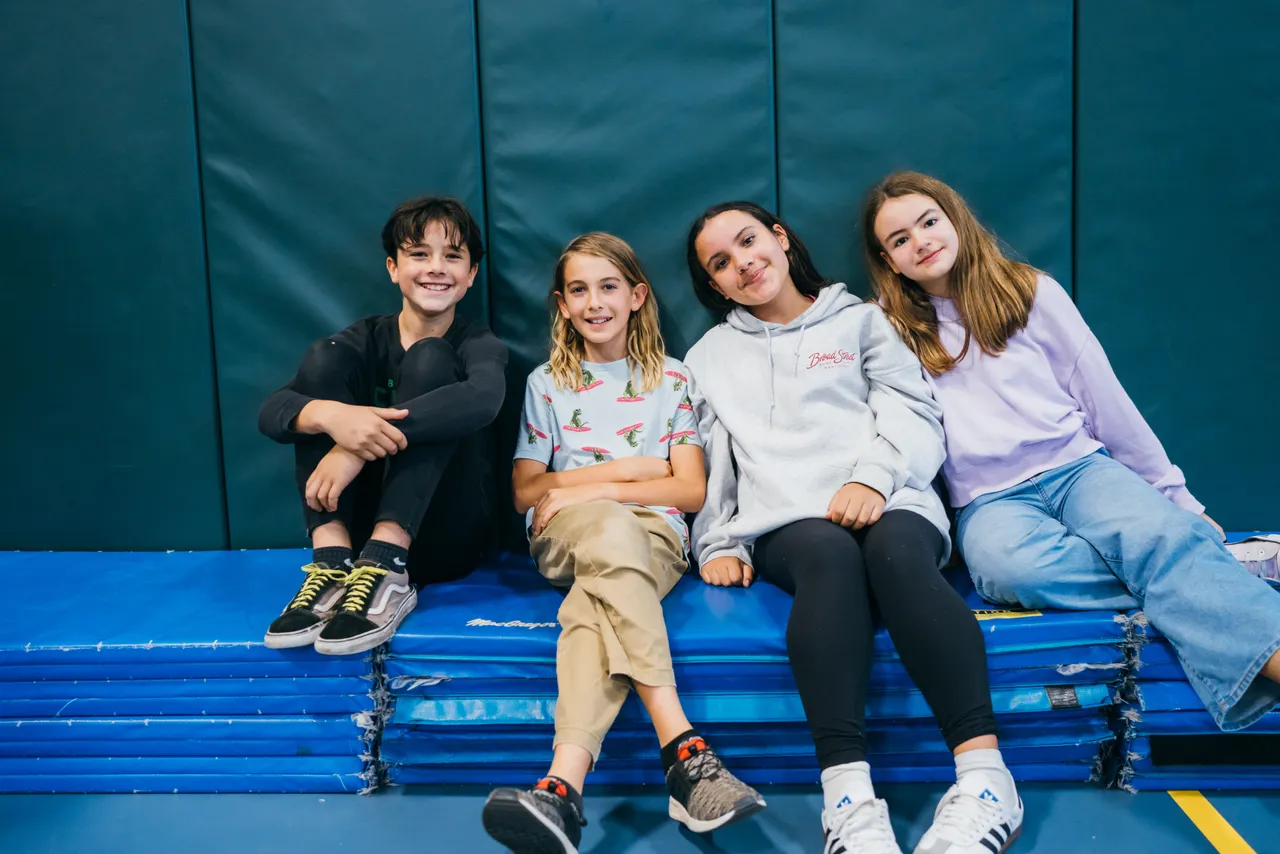
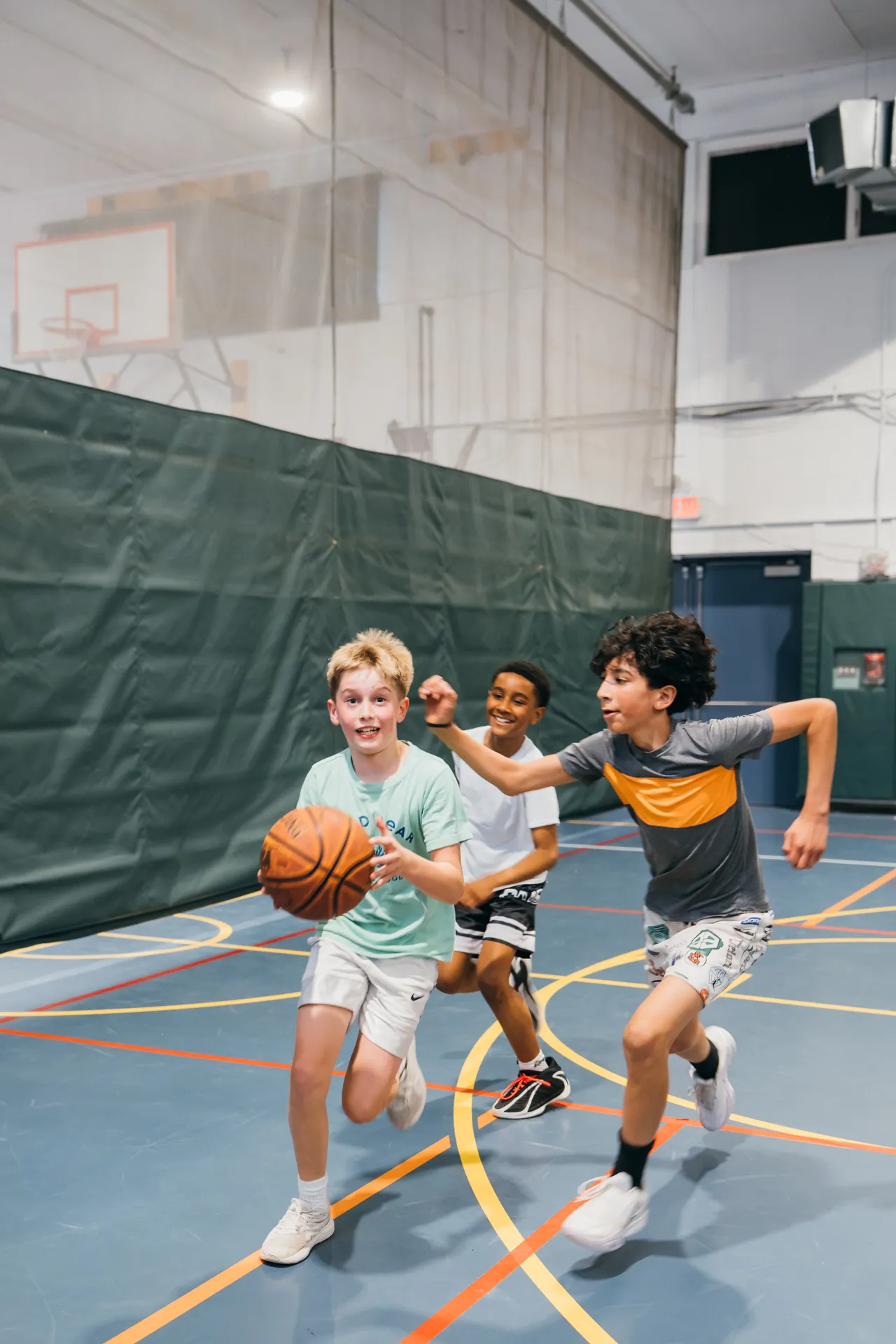
Children who grow up this way build something adult culture increasingly struggles to offer: a sense of self that comes from real relationships, and the skills of being a community member. They know how to resolve conflict. They advocate for themselves, and they listen when others advocate for themselves. They take care of children younger than they are, and they let themselves be cared for by children who are older. They know, in their bones, that they belong to something larger than themselves.
Children who trust they can be known by adults navigate adolescence differently. They arrive in new schools knowing how to be seen, and how to seek out adults who will see them. Receiving schools tell us that this is unmistakable in our graduates — the steadiness of people who have been held in attention for a long time.
A pedagogy with a long history
The philosophical tradition behind this practice runs deep. The Ubuntu tradition of southern Africa — summarized by Archbishop Desmond Tutu as I am because we are — holds that selfhood is constituted in relationship rather than prior to it. The developmental psychologist Lev Vygotsky argued that a child's individual capacities emerge first in social interaction and are only later internalized. The educator Nel Noddings has argued across decades that the work of schools includes the cultivation of relationships of care, without which real learning cannot happen. These traditions converge on a single insight: community is the medium of a child's development, not merely the setting for it.
This practice in action.
The practices below are among the structures through which community and self are cultivated together at Fayerweather. They happen daily, weekly, annually, across the grades.
Grades PreK through 8
All-School Meeting
Every week, the whole school gathers, from the youngest PreK child to the oldest eighth grader, along with our whole staff, for an assembly that is run primarily by students. Someone presents work. Someone leads a song or a call-and-response. Someone shares something they've noticed or wondered about.
All-School Meeting is where the entire arc of the community of Fayerweather makes itself visible. Older students see the youngest members of the school; younger students see who they're becoming. The gathering models something important: that the life of this community is worth stopping for, worth showing up for, worth sustaining.
Founded in 1967, Fayerweather is an all-gender independent private school enrolling students in pre-kindergarten through eighth grade and located in Cambridge, MA. Children here are taken seriously — as thinkers, as individuals, as people whose presence in the world already matters. They learn by doing real things, in real places, for real audiences. They become themselves, in community, over time.