Into the World
Learning travels.
A child who has lived on a working farm for several days, or spent weeks studying and then standing in Puerto Rico, or walked the streets of New York with real purpose, has learned something that cannot be reproduced in a classroom.
We take children places. Some of what they need to learn can only be learned by going. Our commitment to place-based education does not end at the edge of Cambridge — it extends outward, deliberately, through extended immersive experiences that are integral to the curriculum.
What it looks like.
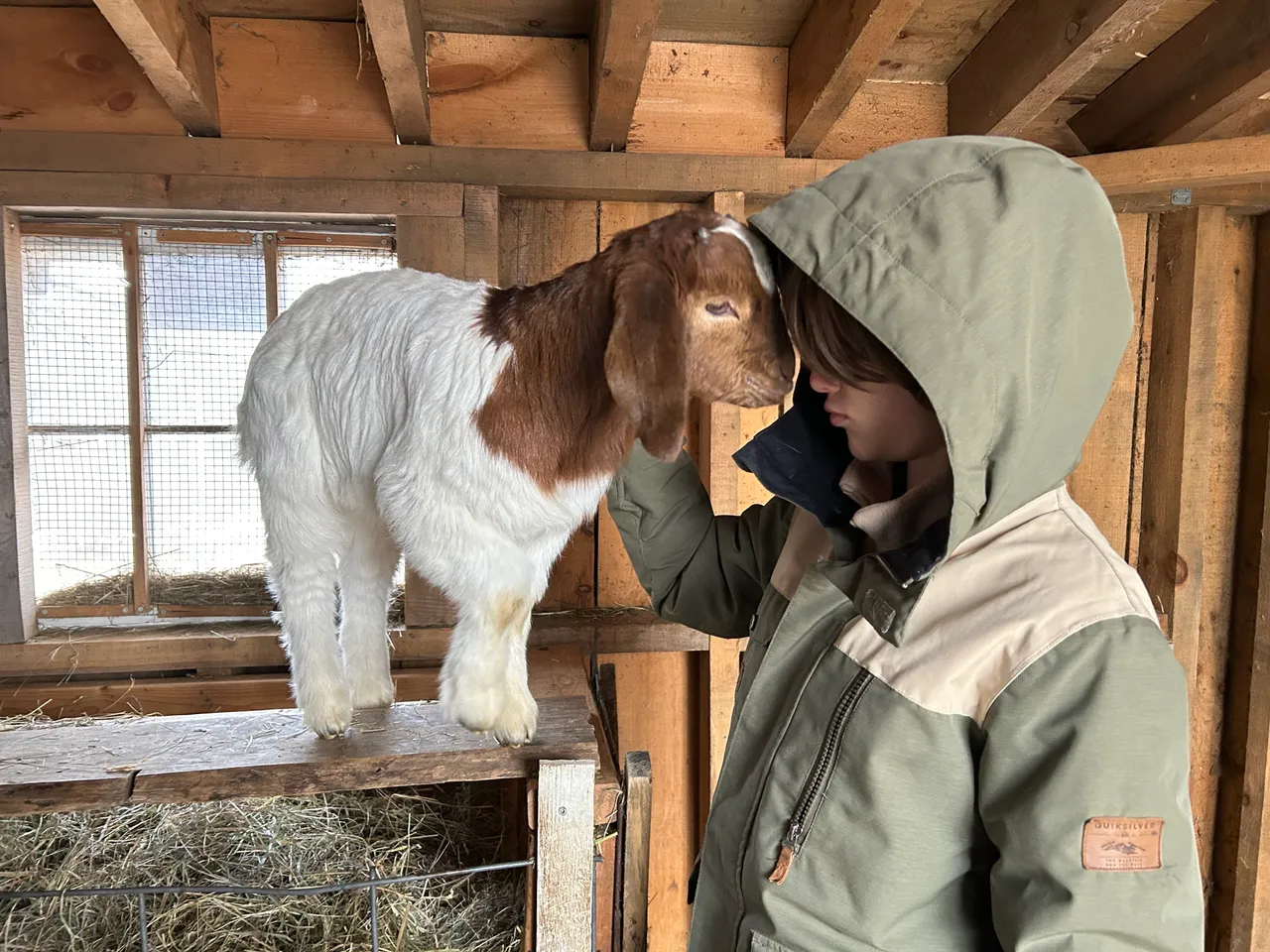
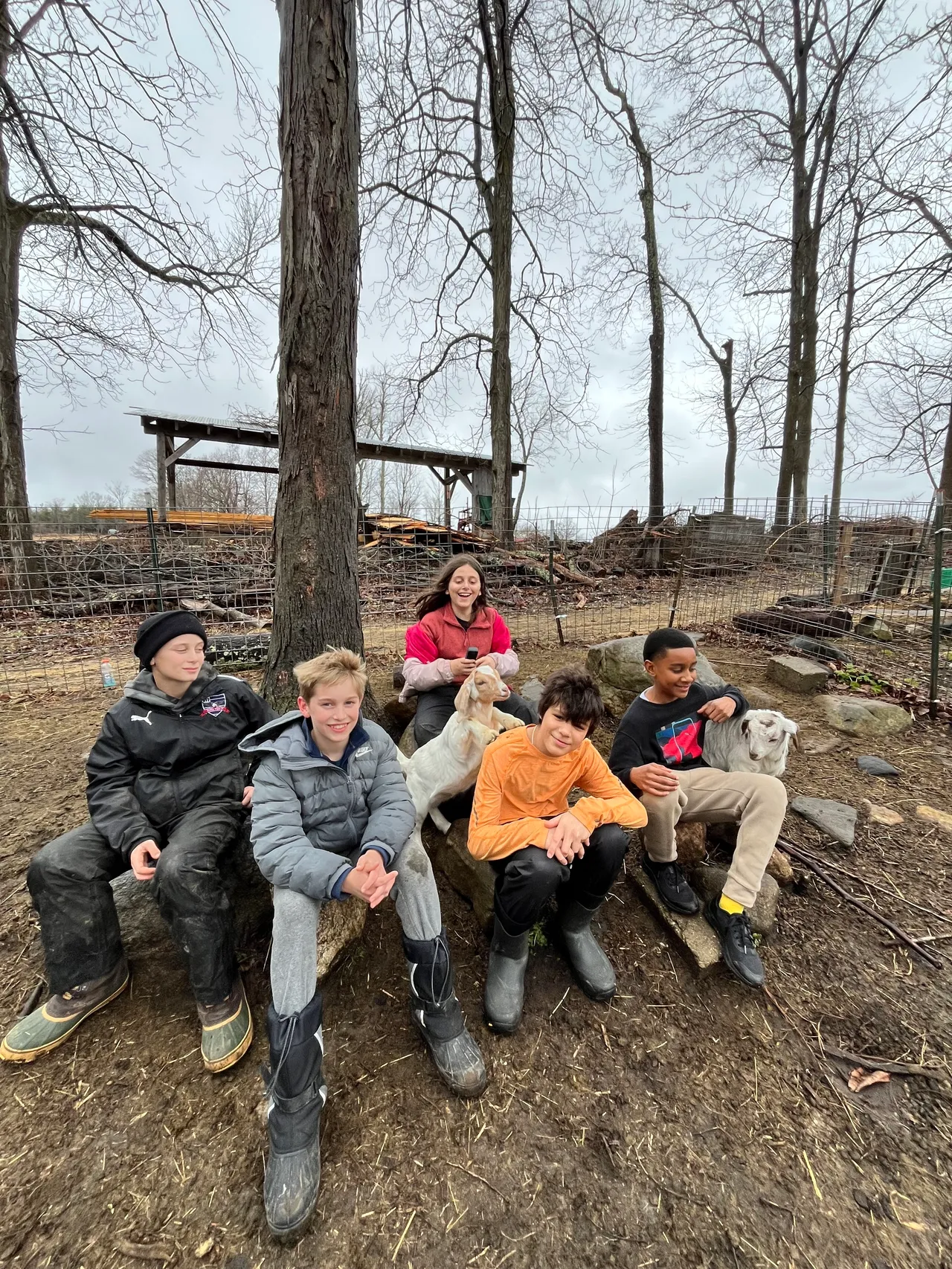
Each year, our fifth- and sixth-graders travel to a working farm school in central Massachusetts. They live on-site for several days and participate in the daily life of the farm — engaging with the agricultural, ecological, and community dimensions of what a farm is. The work is real, the farm needs them, and the learning is embedded in the work.
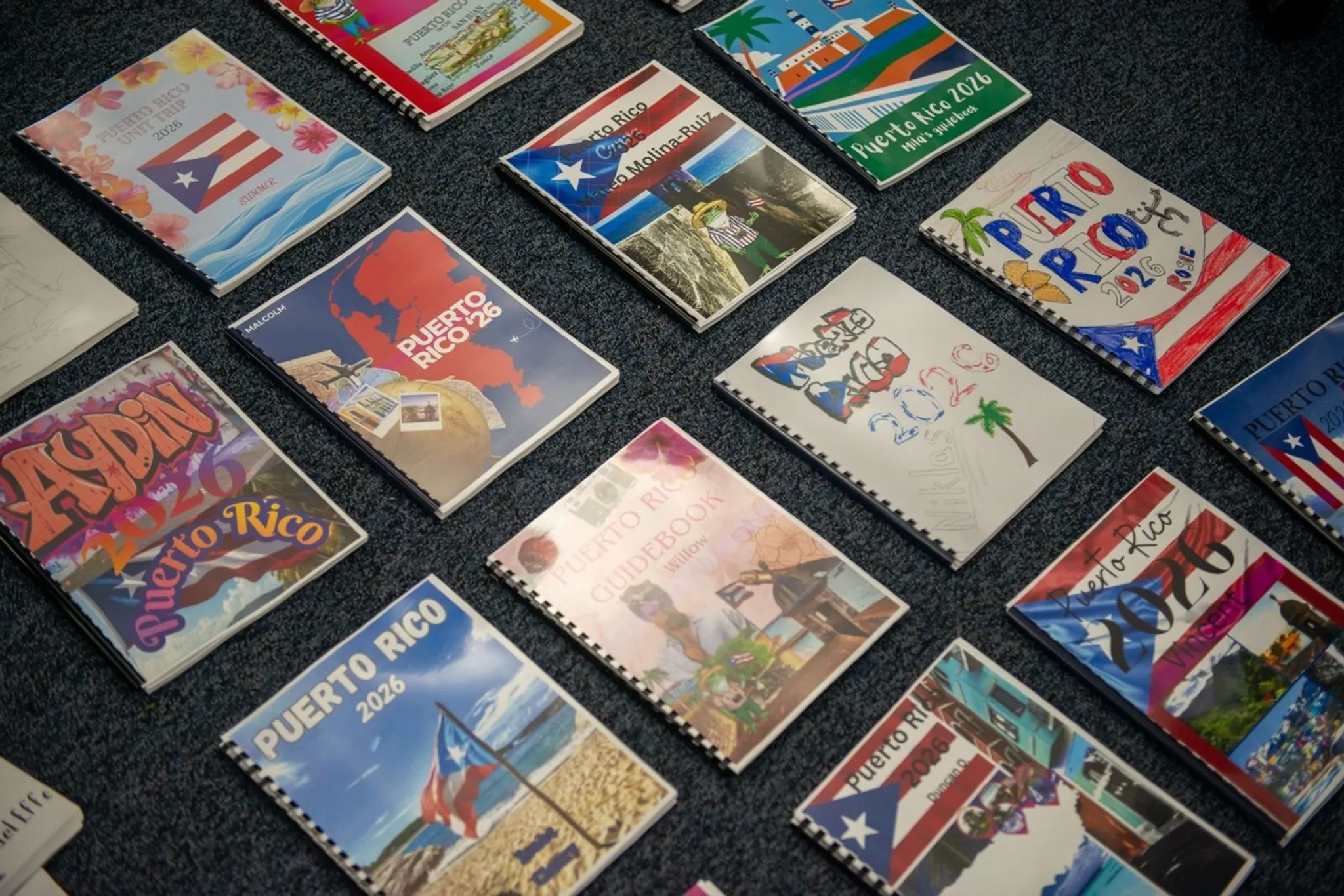
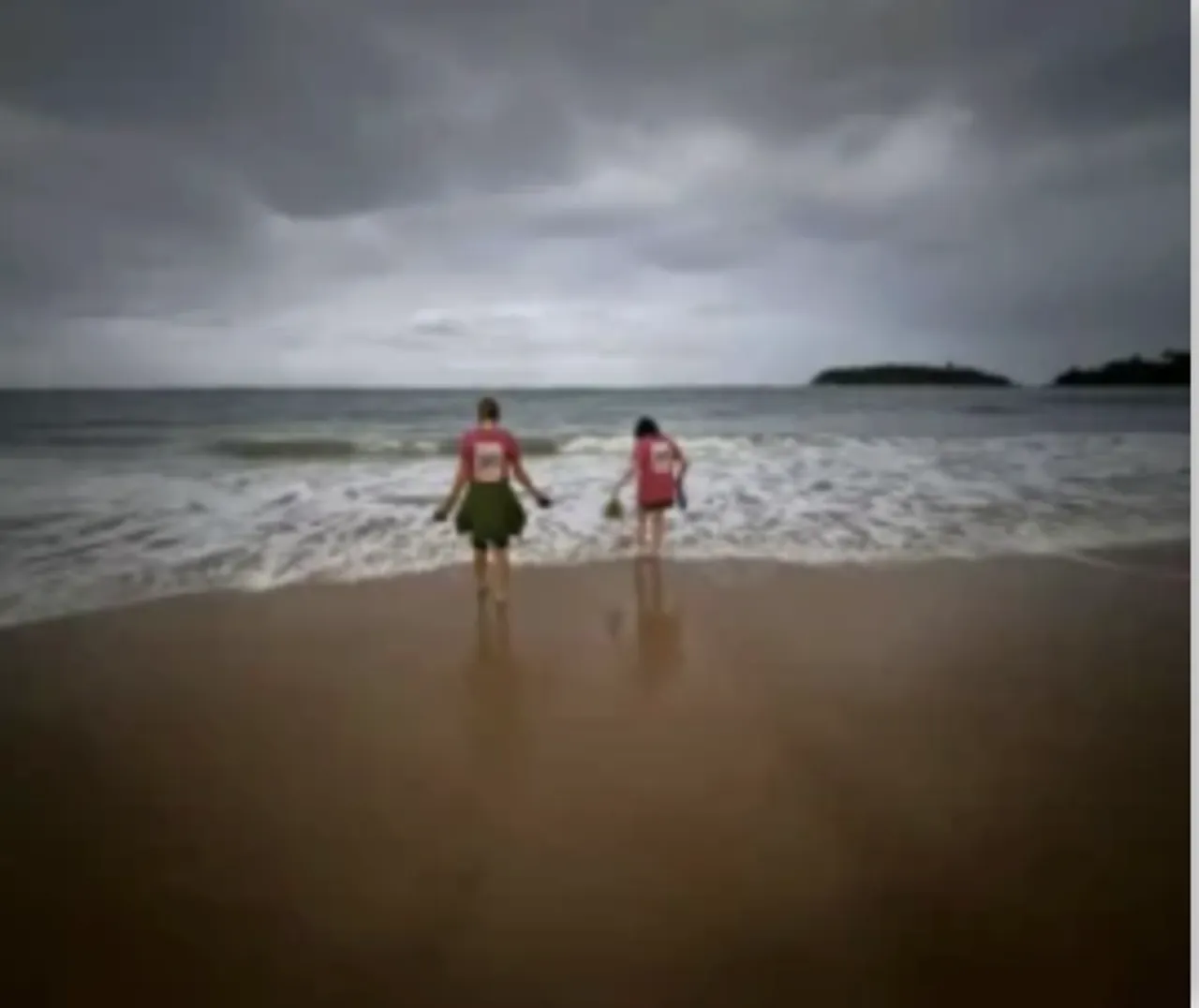
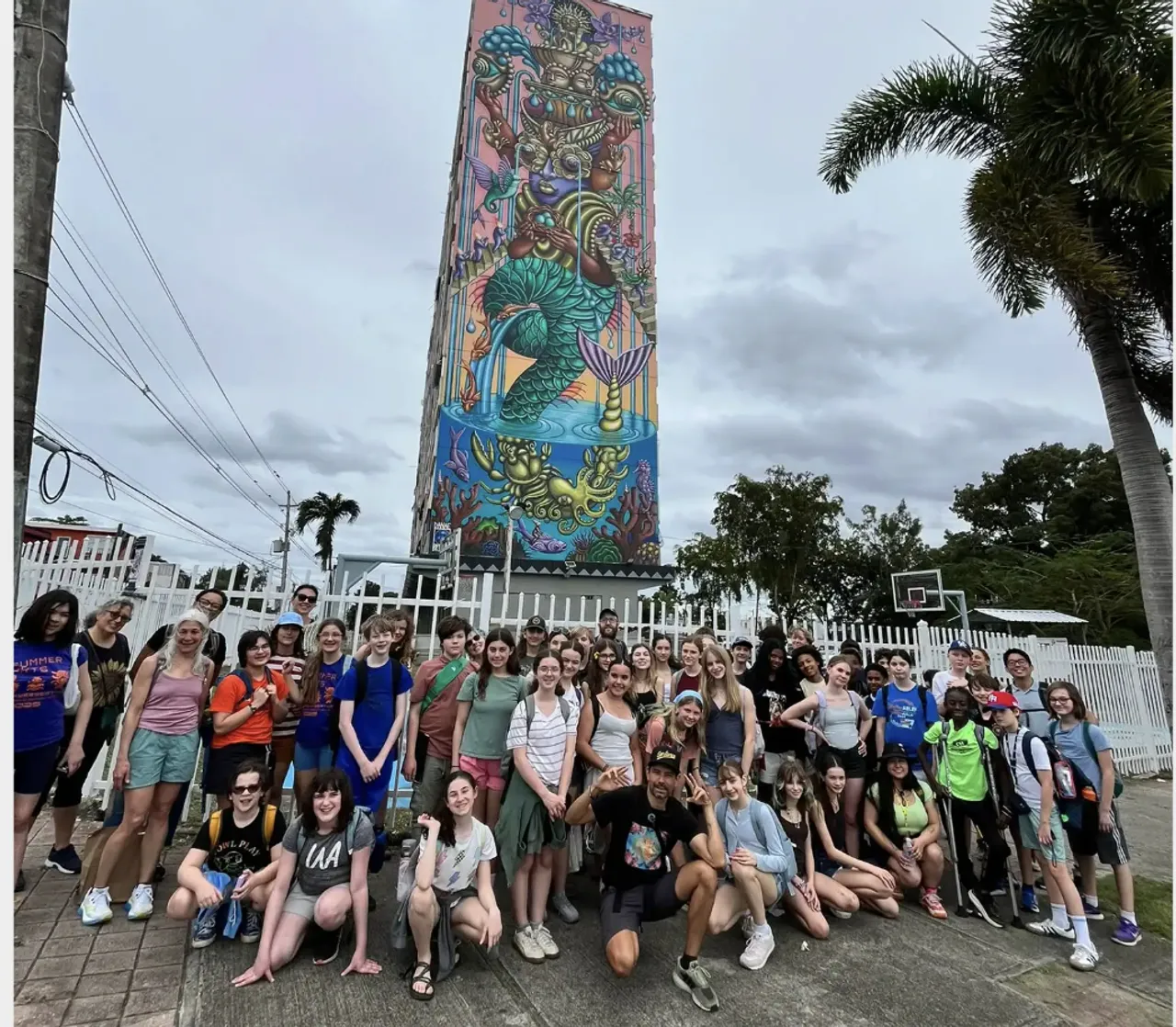
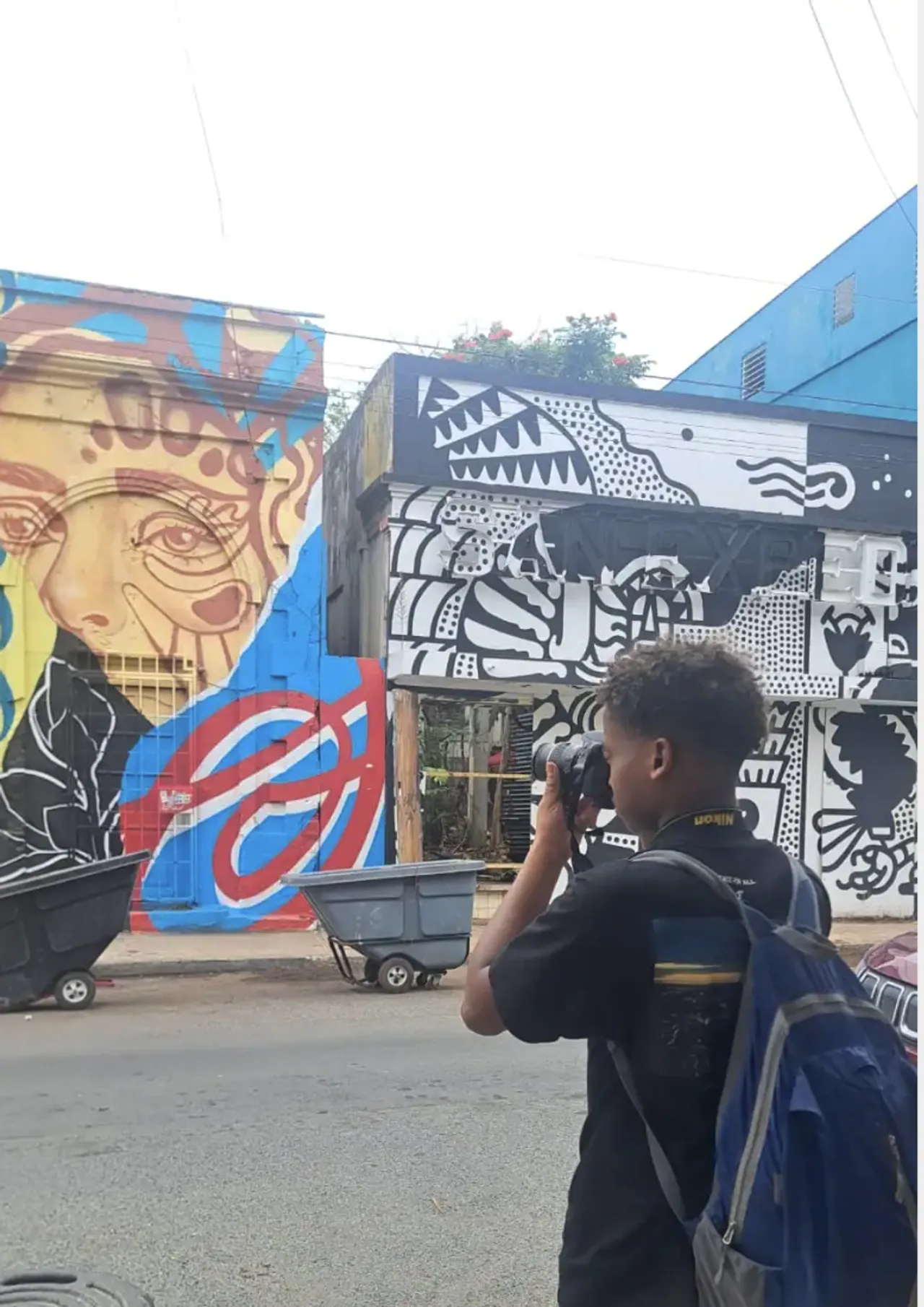
Every other year, our seventh- and eighth-graders travel to Puerto Rico. This is an extended, project-based inquiry that begins months before the children leave Cambridge. Students research the island's history, politics, ecology, and culture; they develop their own questions; they engage with the place directly; and they revise their thinking afterward based on what they encountered. The culminating work — a guidebook the students produce together — is completed only after they return, because the experience has given them knowledge they could not have had in advance.
In alternating years, our seventh- and eighth-graders travel to New York City, in a structurally similar inquiry immersion. The destination changes; the depth of the practice does not.
These immersions are part of the curriculum in one of its most intensive forms. They require months of preparation, close attention to the particular group of children who will undertake them, and the same pedagogical seriousness we bring to any major unit.
What the practice develops in children.
Children return from these immersions different. They have navigated unfamiliar places. They have done real work in contexts where they were not the center of attention. They have met people whose lives were not like their own and had to understand those people on their own terms. They have slept in shared rooms, eaten food someone else cooked, missed home, and come back.
Something about extended, embodied learning is irreplaceable. Knowledge grounded in experience stays. So do the less visible capacities — independence, adaptability, a comfort with not-knowing, a willingness to enter an unfamiliar context with curiosity rather than anxiety. These capacities are the foundation of an adult life that will take our children to many places, and they grow from being trusted, as children, to go somewhere new and learn what is there.
A pedagogy with a long history
Immersive place-based learning has deep roots in progressive education. The Outward Bound tradition and the broader experiential-education movement have argued for decades that some of the most important learning happens outside classrooms, in environments that demand real engagement. David Sobel's scholarship on place-based education extends into these longer and deeper immersions. Our Puerto Rico project was designed in collaboration with PBL Works, the leading organization in project-based learning — a partnership that brought the full discipline of project-based inquiry to bear on a place-based experience.
This practice in action.
These extended immersions anchor significant stretches of classroom learning at Fayerweather.
Grades 7/8
Puerto Rico
Every other year (when they aren’t traveling to New York City or elsewhere in New England), seventh and eighth graders travel to Puerto Rico for an extended immersion that begins months before they leave Cambridge. Students research the island's history, politics, ecology, and culture in advance, developing their own lines of inquiry and building a framework for what they want to understand. On the island, they engage directly with what they've studied: visiting cocoa plantations, meeting community members, encountering the ongoing questions of self-determination and cultural identity that shape Puerto Rican life today. The experience revises what they thought they knew.
The culminating product is a guidebook the students produce together, completed only after they return, because the trip gives them knowledge they couldn't have had before going. That sequence is the whole point: months of preparation, direct engagement with a place and its people, and the slow reckoning with what was actually encountered. Students leave having grappled with a living history in an unfamiliar place, met people whose lives were unlike their own and had to understand them on their own terms, and made something that required all of it.
Founded in 1967, Fayerweather is an all-gender independent private school enrolling students in pre-kindergarten through eighth grade and located in Cambridge, MA. Children here are taken seriously — as thinkers, as individuals, as people whose presence in the world already matters. They learn by doing real things, in real places, for real audiences. They become themselves, in community, over time.