The Reading Life
There is a difference between a child who can read and a child who is a reader.
A child who can read has learned a skill. A child who is a reader has become a kind of person — someone who turns to books for pleasure and understanding, who has favorite authors and strong opinions, who knows the feeling of getting lost in a story and returns to reading by choice.
For us, that difference is the whole point. We rigorously teach the skill of reading. But what we aim at is larger. Every child here is becoming a reader — someone who knows themselves as one, who finds the books that belong to them, who builds over years a relationship with reading that does not end when school does.
What it looks like.
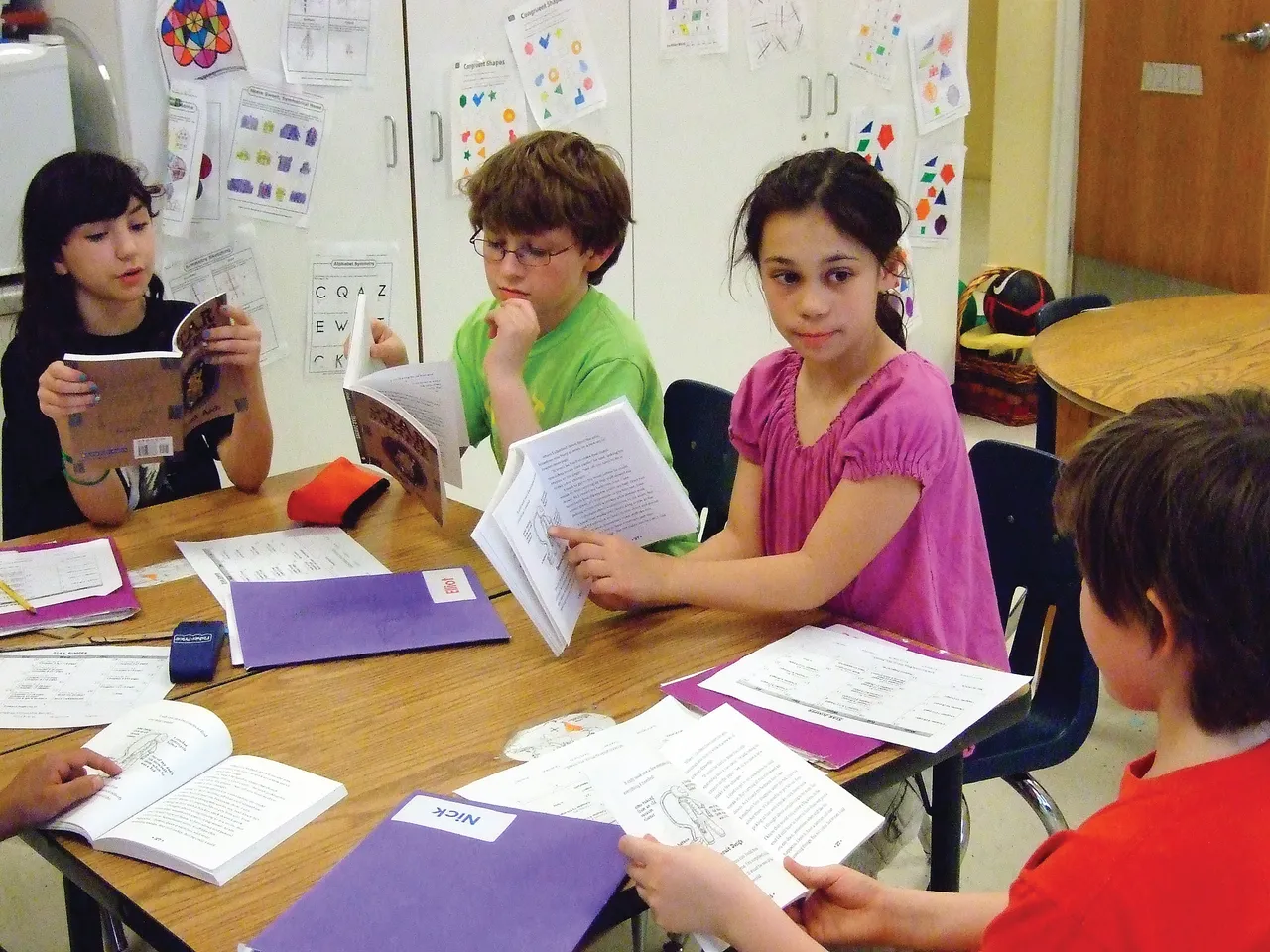
Every school day at Fayerweather includes protected time for reading. Children read books they have chosen. Our teachers confer with them one at a time across the week, asking what they are reading, what they are thinking, what they might pick up next. In the primary grades, teachers also read aloud daily, creating shared stories that become part of the common language of the class. In the middle grades, student-led book groups give children structured ways to discuss what they are reading, with protocols and roles they have learned over years. In middle school, reading becomes the ground for extended analysis and writing.
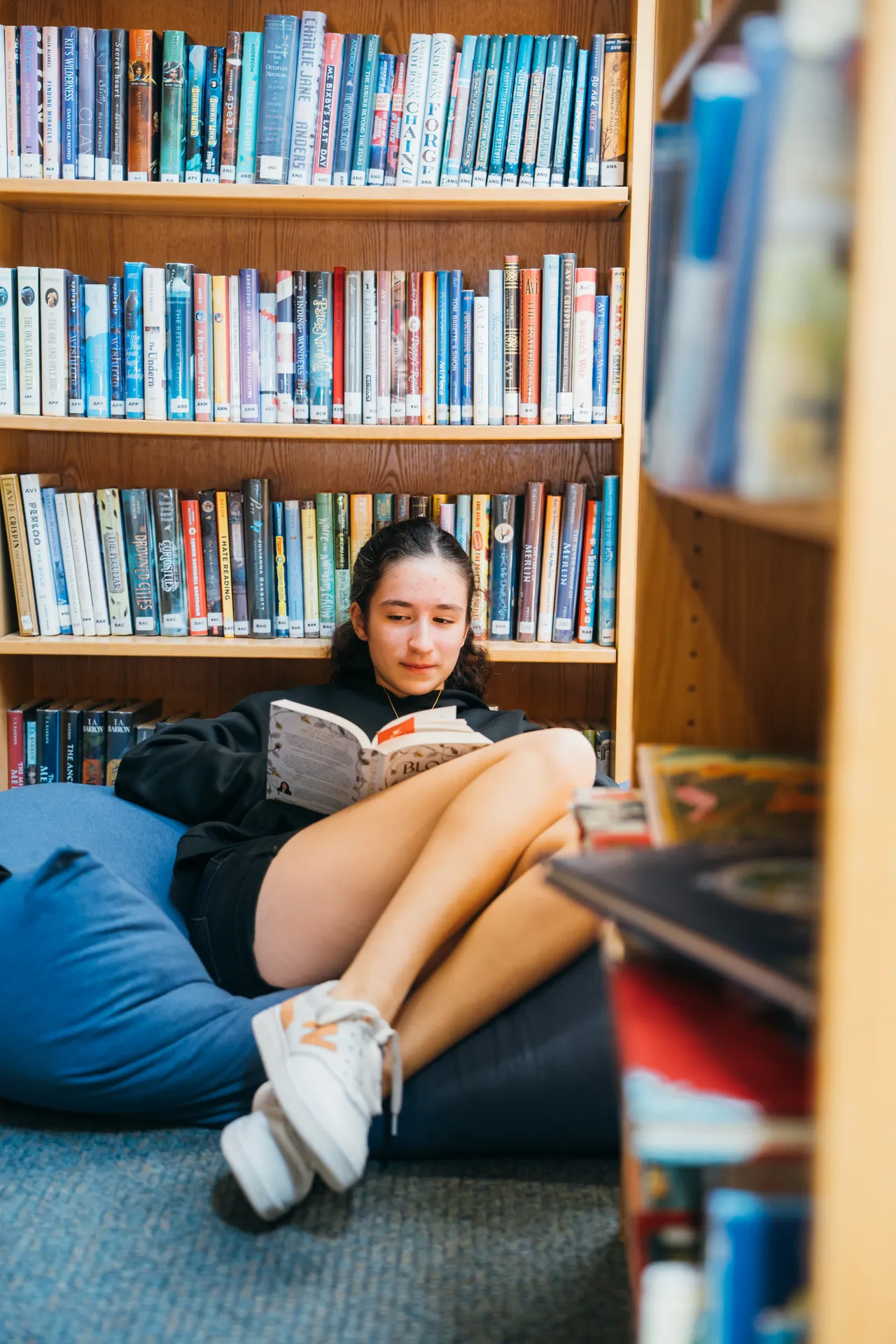
Reading here happens everywhere. In classrooms and in the hallways. In the library that sits at the center of the school. Through the digital collection that makes a wide range of texts available to every student. And at home, where children carry books and their growing love of reading with them.
What the practice develops in children.
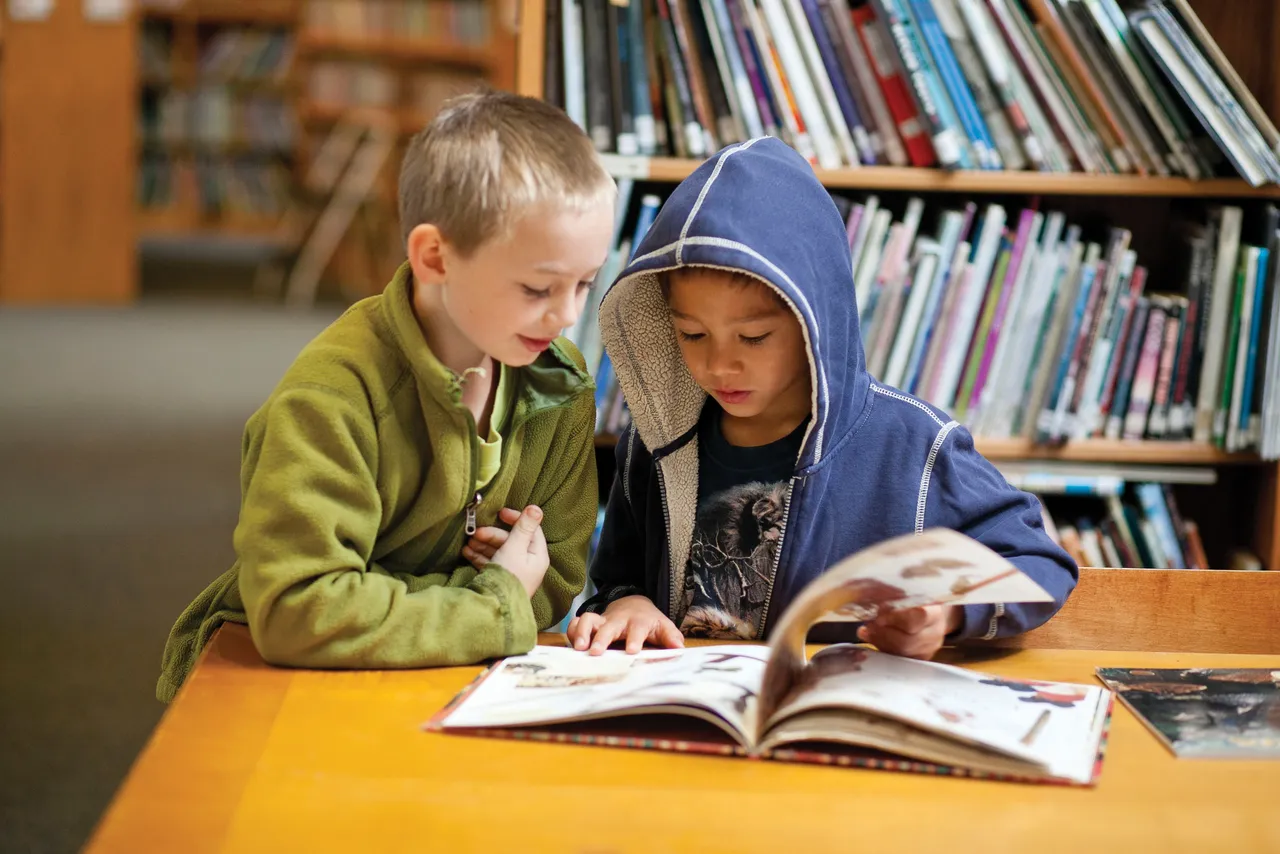
Children who spend years reading books they chose, talking about them with adults and classmates who take their opinions seriously, become readers. They have preferences. They know what they love and why. They can sit with a difficult book and stay with it. They have a growing sense of themself as a person with a reading history — a first book that stuck with them, an author they return to, a genre once avoided and now loved.
A person who reads this way can learn almost anything. They can research a question, follow an argument, sit with a worldview different from their own long enough to understand it. In an age of short attention and algorithmic feeds, the capacity to read deeply and for pleasure has become rarer, and more valuable.
A pedagogy with a long history
Our approach draws on a tradition shaped by educators like Nancie Atwell and Lucy Calkins, who argued decades ago that children become readers the same way they become anything else — by doing the thing regularly, with choice and autonomy, supported by adults who take their reading seriously. The workshop model that emerged from this tradition shapes our practice. The scholarship of Rudine Sims Bishop has deepened that work by asking who children see themselves in when they read. What it does to a child to read only about worlds that do not include them and how books can serve as windows, mirrors, and sliding glass doors into lives unlike their own. We pay close attention to both questions: how to build each child's reading life, and what we put in their hands to read.
This practice in action.
Reading is woven through every day at Fayerweather and shows up in specific structured practices across the grades.
Grades Pre-k through 8
Reading Time
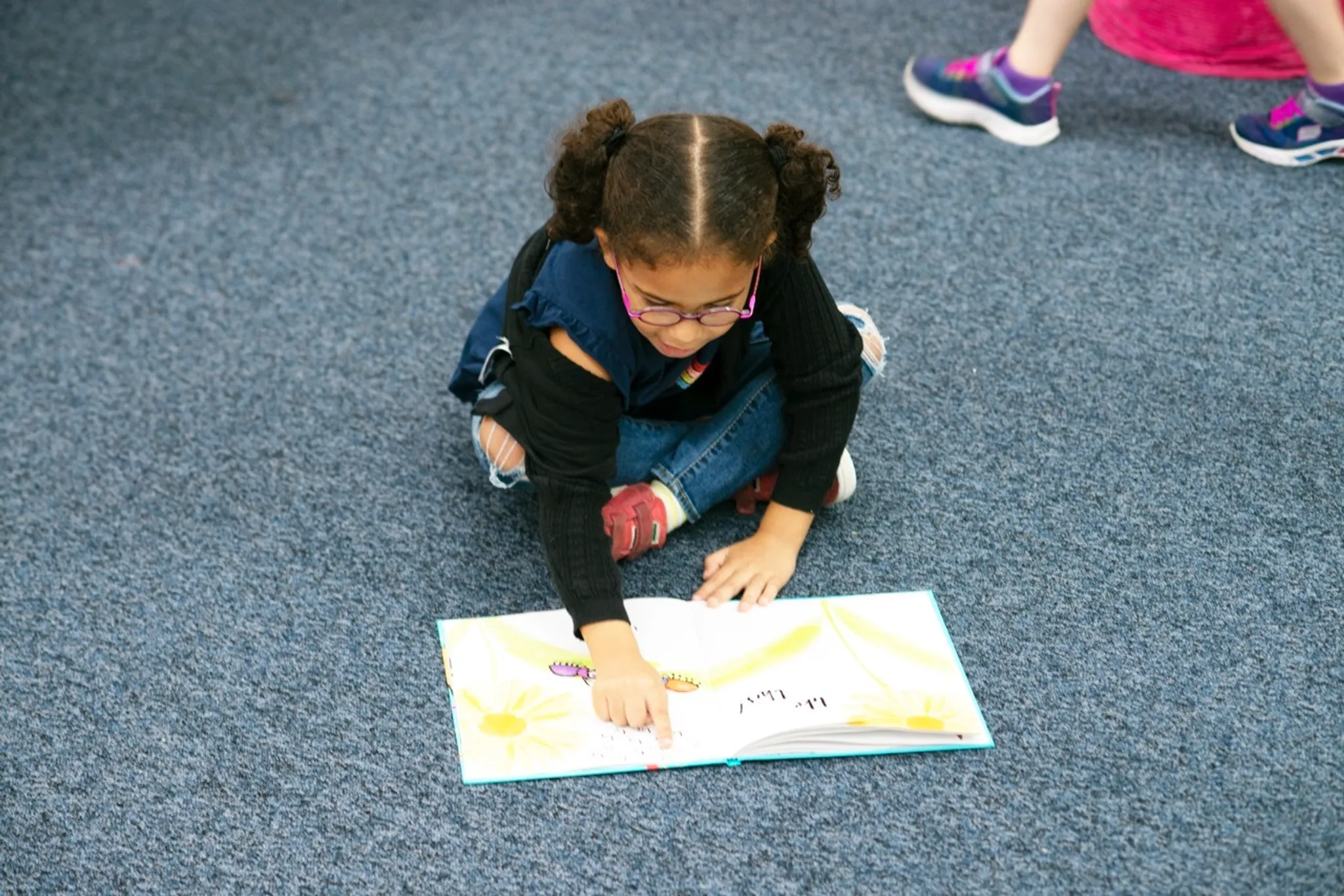
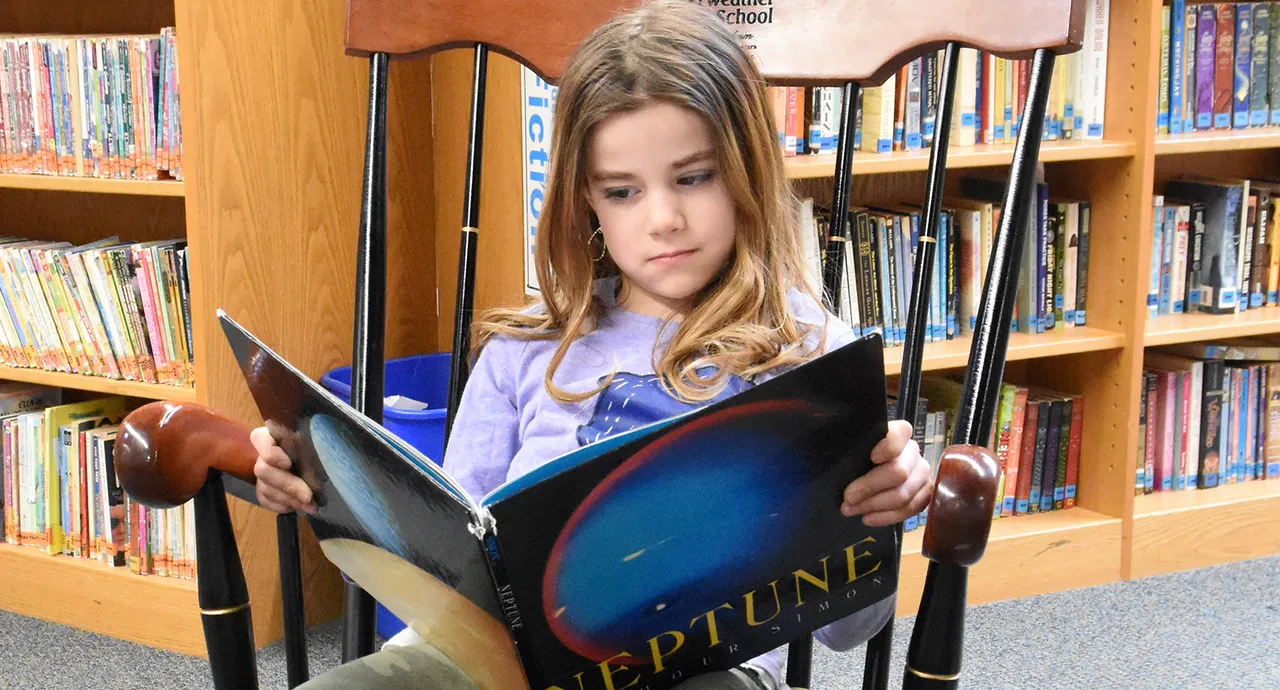
Every day at Fayerweather, there is time to read. Not time to read in preparation for something else, or to gather evidence for writing, just time to read. Students choose their own books and find a spot. The room gets quiet.
This sounds simple. It isn't. Sustained independent reading, practiced across years, is how students become readers. Reading stamina develops through use, and reading for pleasure — following a story because you want to know what happens — is something children learn by doing it repeatedly, with autonomy, in an environment where it is taken seriously. Reading time signals that reading matters not as a means to something else but as a practice in and of itself and worth protecting.
Founded in 1967, Fayerweather is an all-gender independent private school enrolling students in pre-kindergarten through eighth grade and located in Cambridge, MA. Children here are taken seriously — as thinkers, as individuals, as people whose presence in the world already matters. They learn by doing real things, in real places, for real audiences. They become themselves, in community, over time.