Cambridge As Curriculum
Cambridge is our curriculum.
The place a child grows up is one of the richest educational resources available. Its watershed, its history, its neighborhoods, its civic life, its institutions, its people — all of it is material for learning, and all of it is right outside our door.
We have built Cambridge into the curriculum from the earliest grades. Our children study the place they actually live in. They get to know its ecology. They trace its history. They meet the people who run it. Over years, they come to understand Cambridge as somewhere they belong and somewhere they have a stake.
What it looks like.
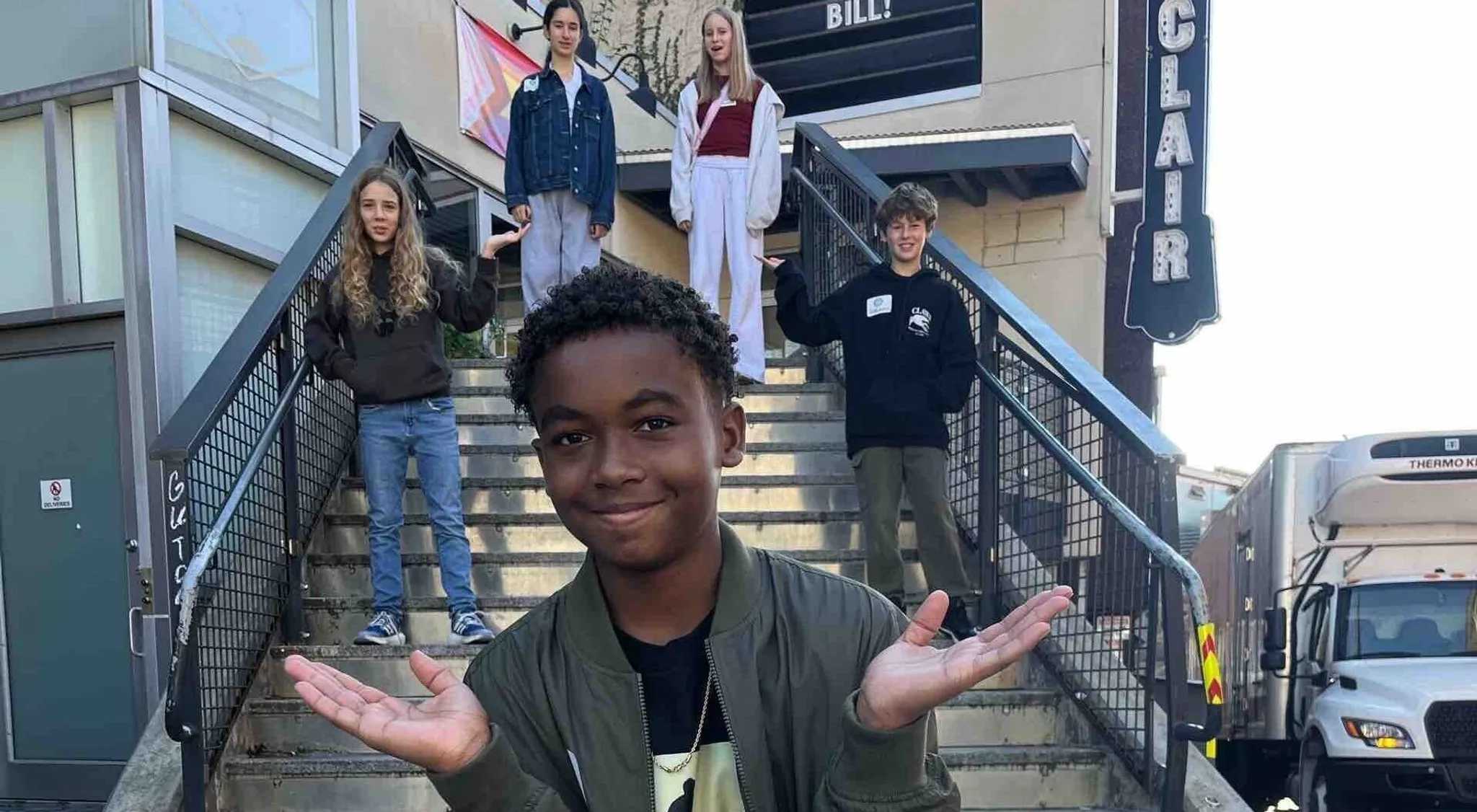
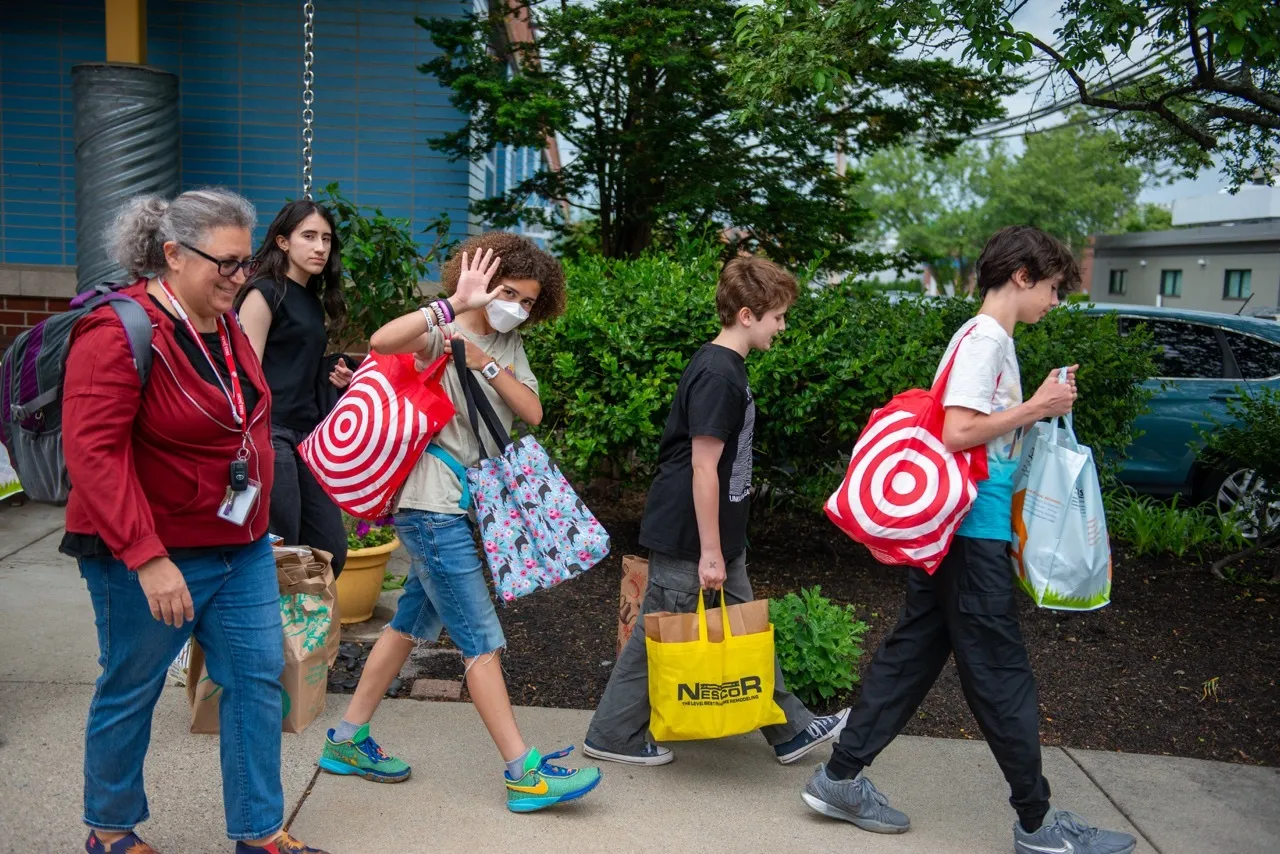
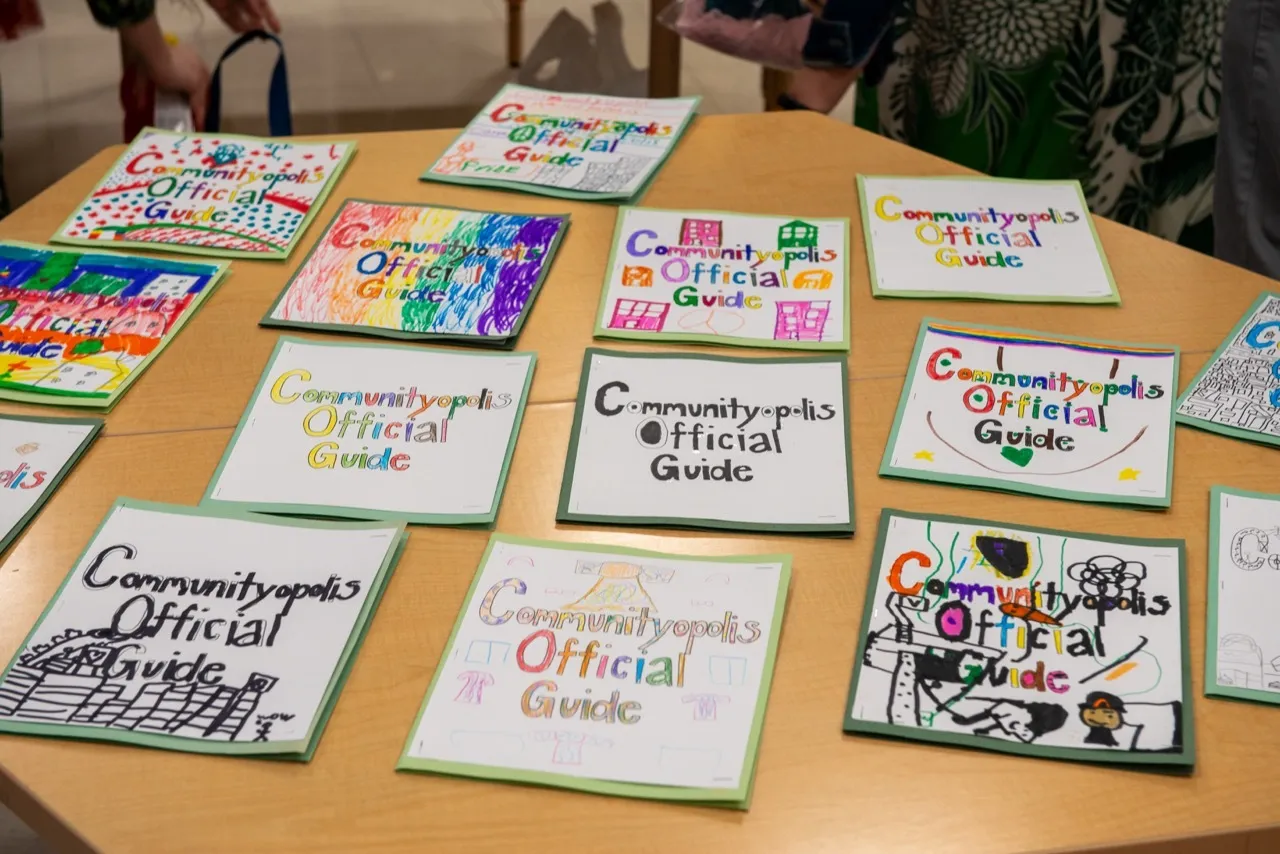
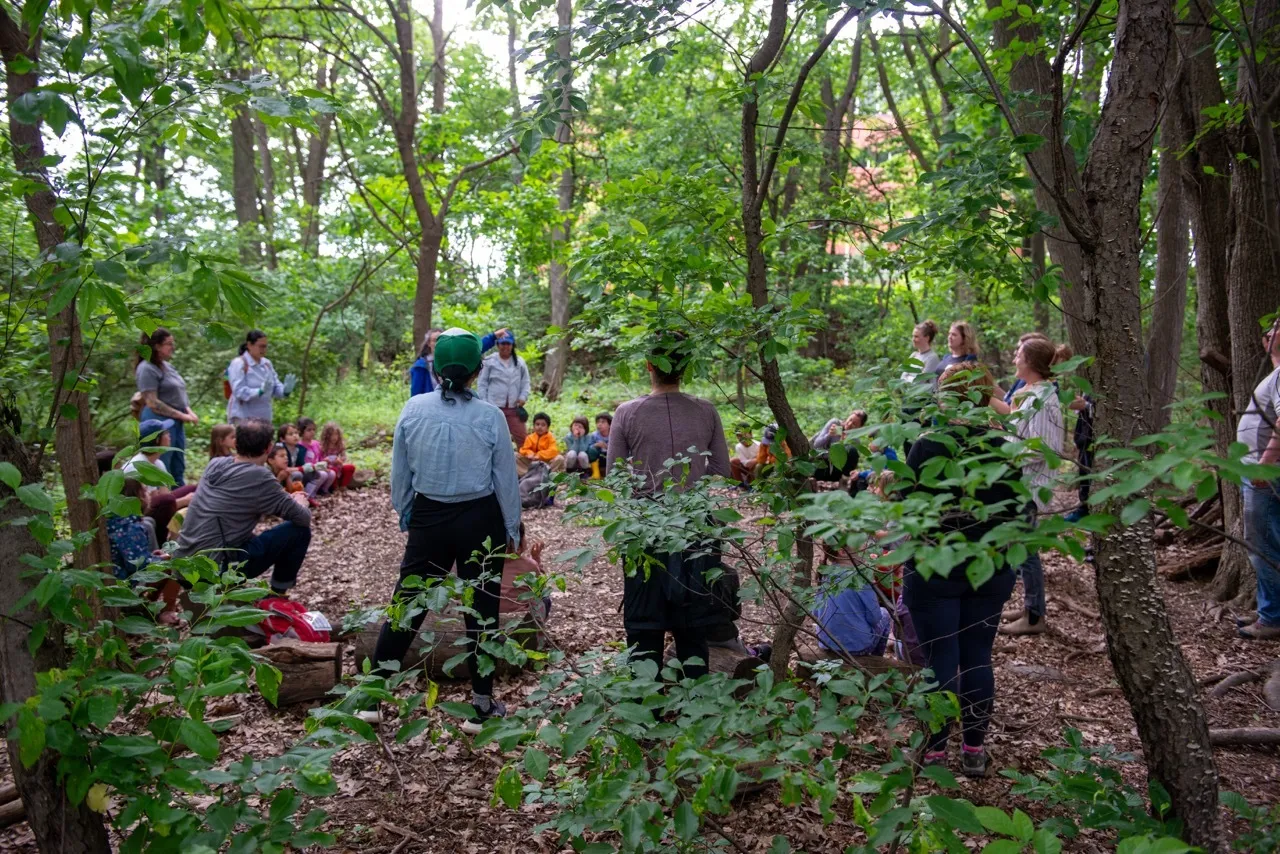
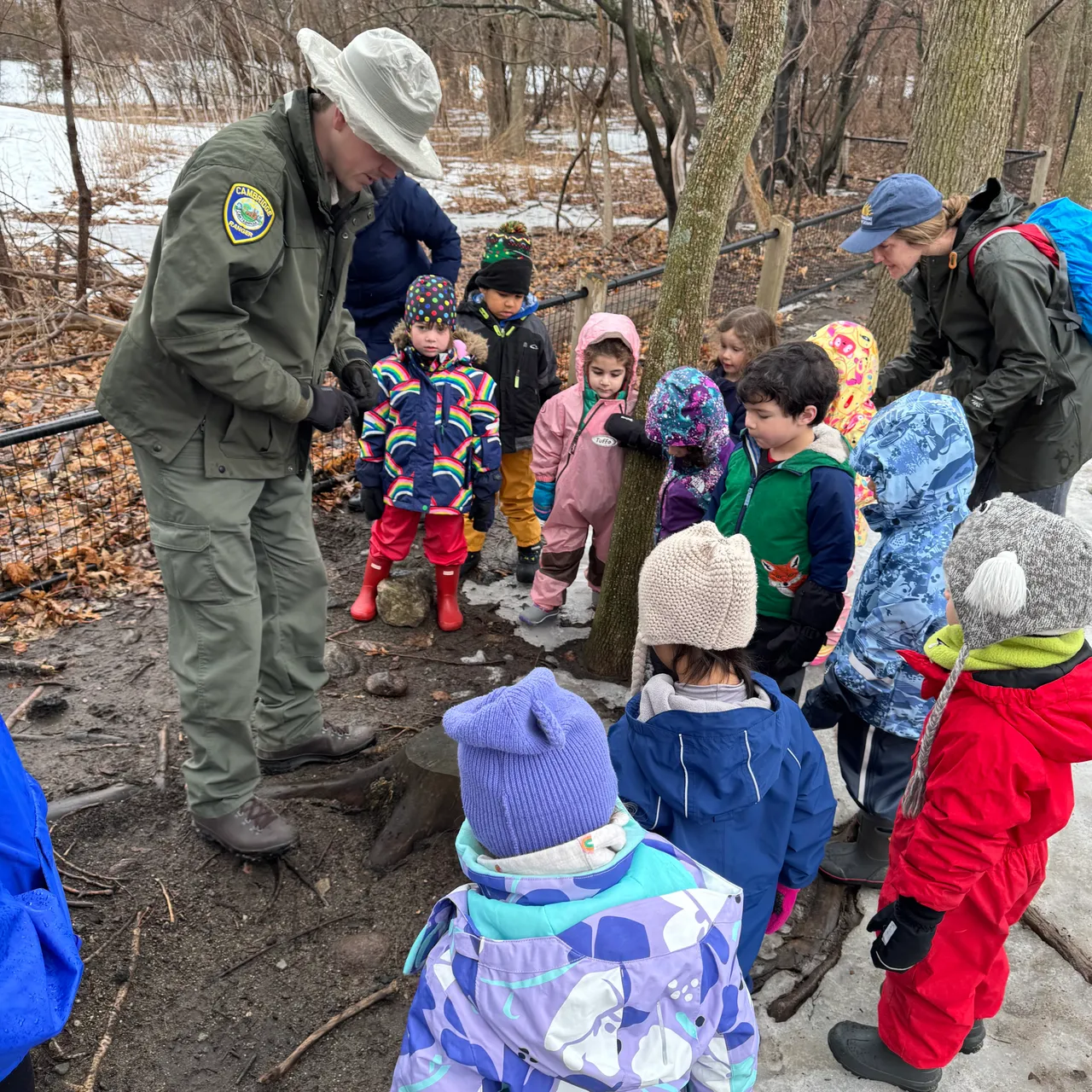
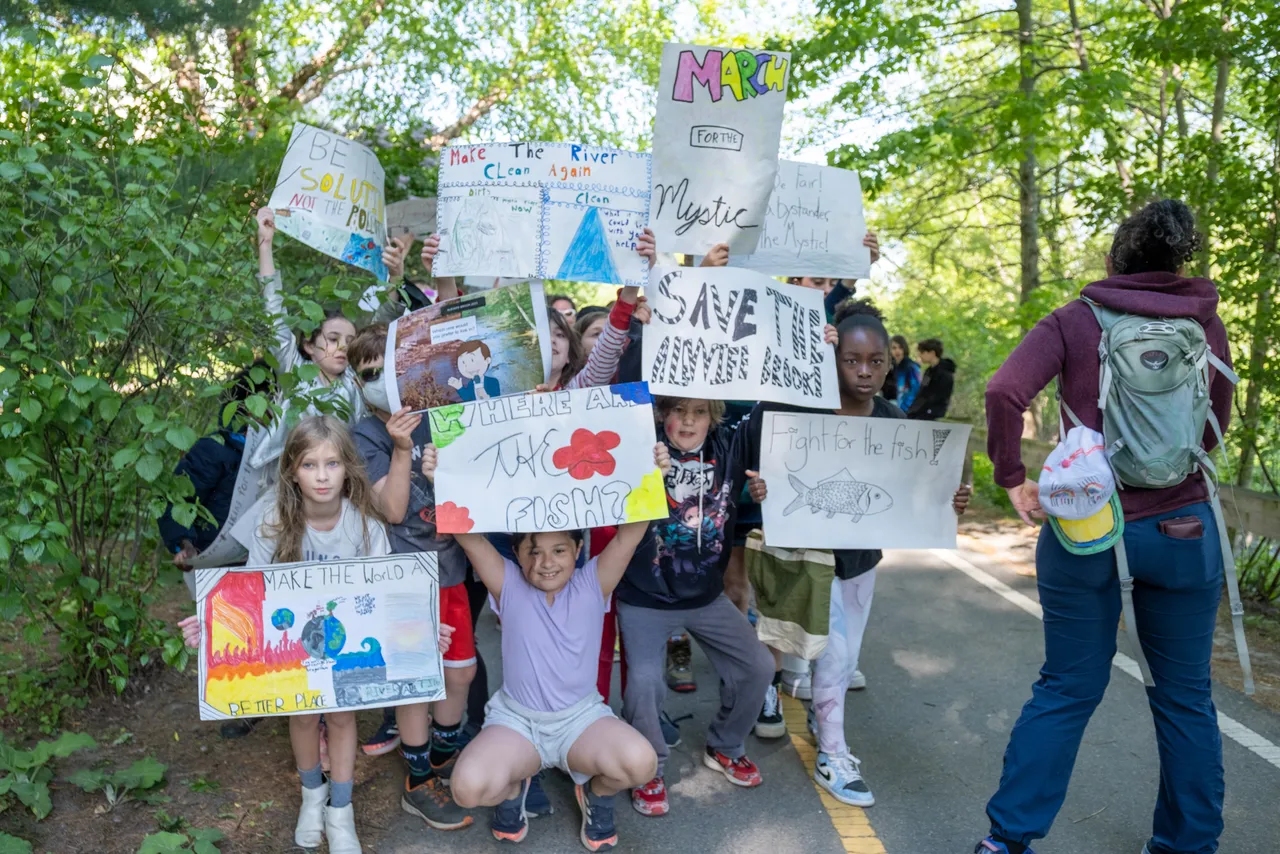
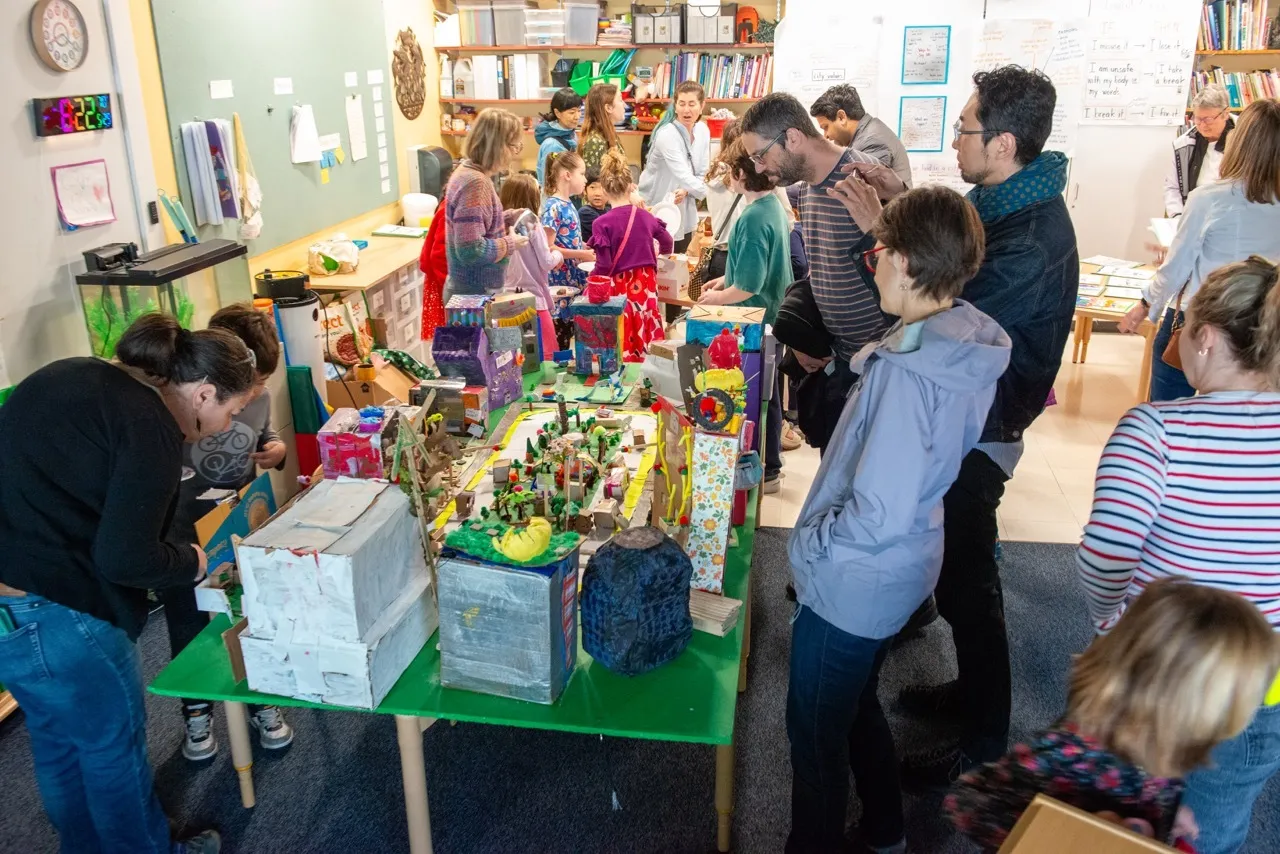
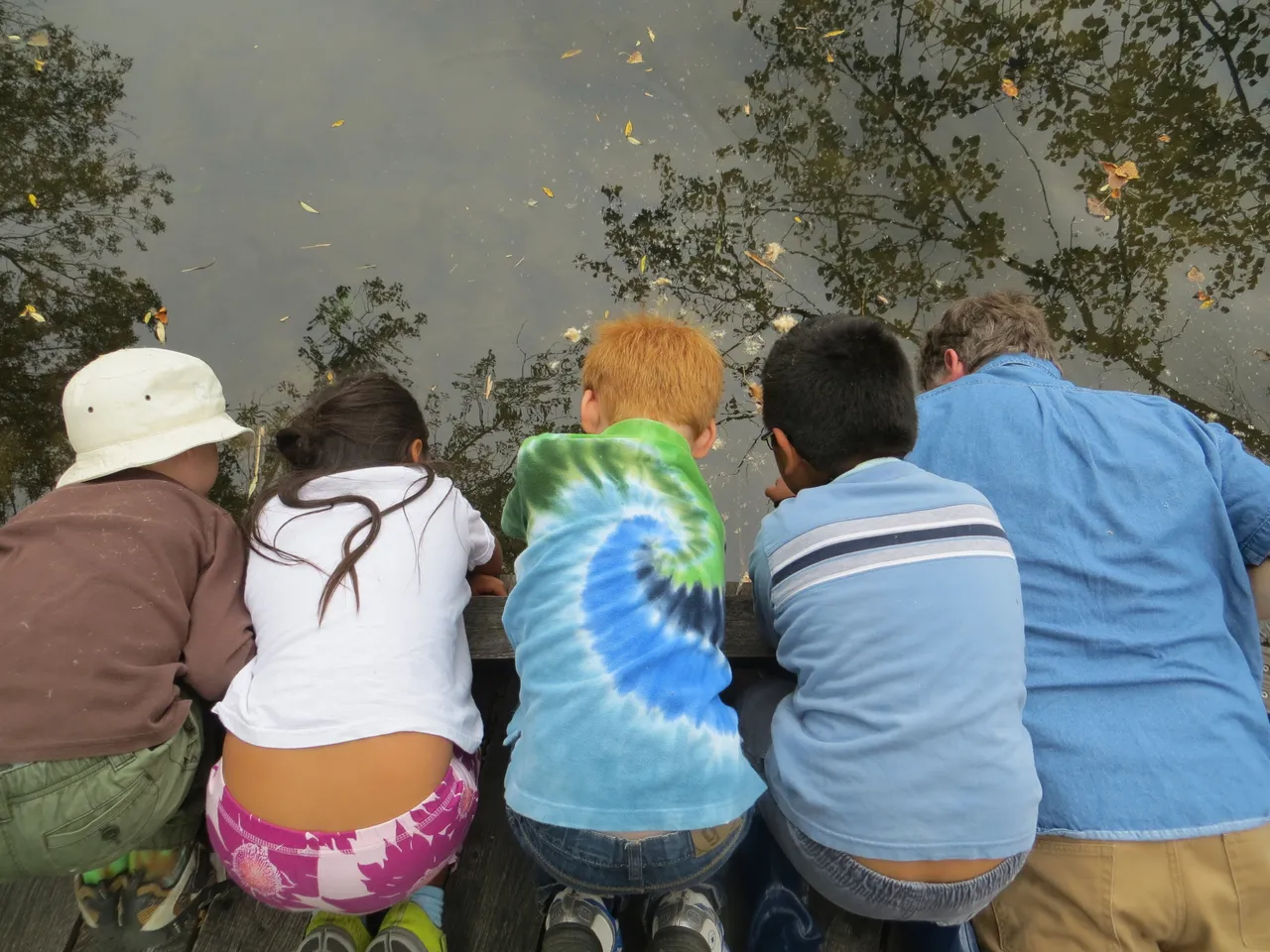
Cambridge shows up in our children's learning from the youngest grades onward. Primary-grade children get to know specific places and institutions in the city — visiting them, meeting the people who work there, returning to school to write, draw, discuss, and build on what they observed. By the middle grades, Cambridge becomes the site of sustained inquiry: its watershed, its history, its civic life, its neighborhoods. Children study the place they live with the expectation that learning from a real city requires them to go into it, ask questions, and bring what they find back into the classroom.
These are extended engagements, often spanning weeks, in which Cambridge functions as primary source material rather than as a destination. Children write to local officials, send letters, make maps, interview community members, and in some projects advocate publicly for positions they have developed through their research.
A good place-based unit is a curriculum in its own right. It requires as much preparation, guidance, and intellectual rigor as any classroom-based learning — and more of certain kinds of care. Our teachers build these units deliberately, drawing on their own knowledge of the city and its institutions.
What the practice develops in children.
Children who spend years learning in and about Cambridge become citizens of it. They know the streets, the waterways, the institutions. They have met people who do the work of the city. They have written to elected officials. They have walked their own neighborhoods with attention and understood them differently than the view from a car window.
The underlying capacity is transferable. Children taught to take their own city seriously learn how to take any place seriously — how to observe, ask questions, research, meet the people who shape it, test their assumptions against what they find. These are the habits of an active citizen, and of anyone who will want to make a place home later in life.
A pedagogy with a long history
Place-based education draws on a distinguished tradition in progressive pedagogy. The educator David Sobel has argued for decades that children's connection to the place they live is foundational to environmental stewardship, civic identity, and meaningful learning — and that schools that treat the local as serious material give children a kind of education that abstract curricula cannot match. The writer Wendell Berry has made the broader case that knowing a place well is one of the most important human capacities, and one that modern life actively undermines. Our practice is shaped by both traditions, and by the practical methods of field-based science and social-studies education that treat the world outside the classroom as the primary text.
This practice in action.
Place-based learning takes many forms across the grades. Some projects recur each year; others shift with teachers and with children's interests.
Grades 5/6
The Petitioner's Project
Students partner with Revolutionary Spaces at The Old State House to investigate an uncomfortable truth at the center of American founding history: the people most affected by unjust laws were often the people with the fewest legal tools to challenge them. And yet they challenged them. Students research historical petitioners — enslaved people, free African Americans, Native communities, women, working-class colonists — and trace how individuals without the right to vote nonetheless advocated for freedom, land, justice, and equality through the act of petition.
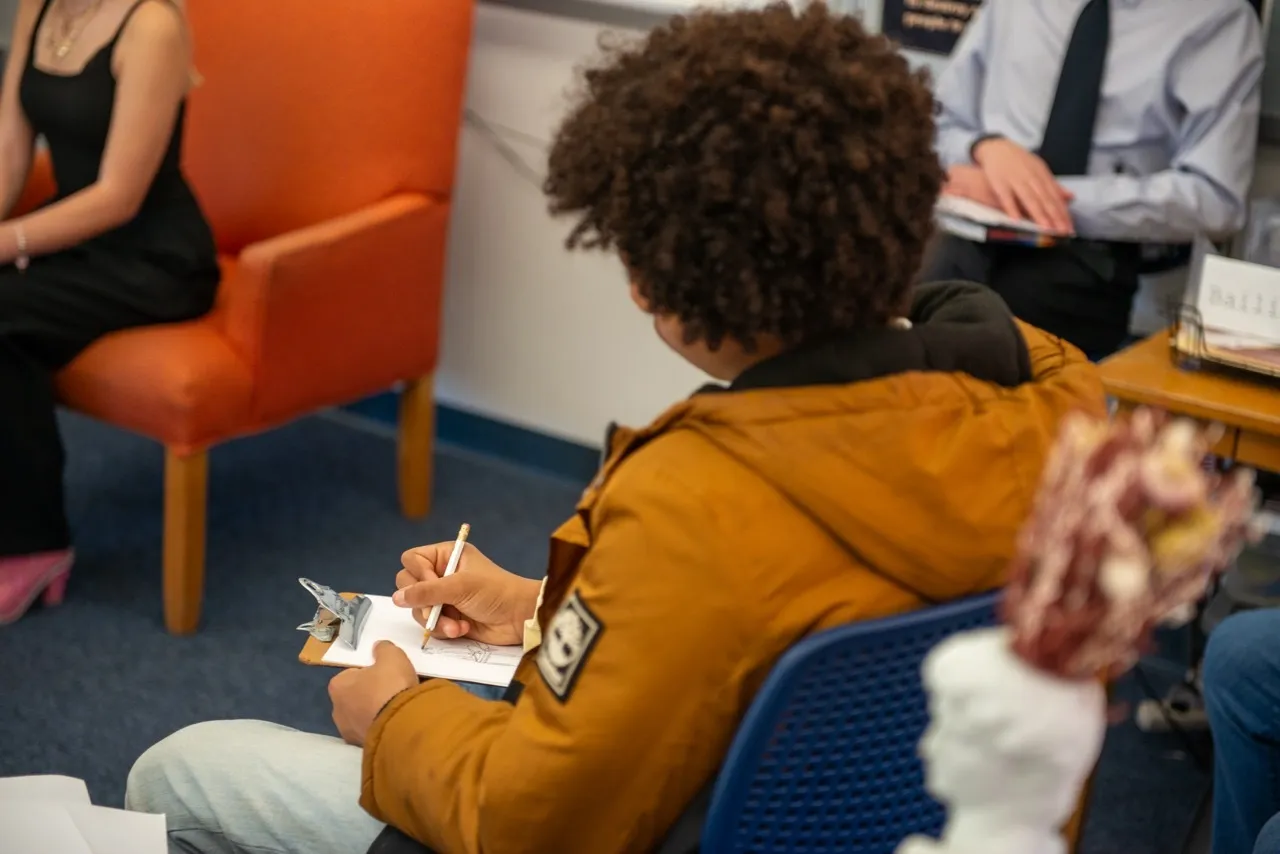
The research is specific. Each student traces a particular petitioner: the circumstances that shaped their situation, the petition they brought forward, and the response or silence they received. Students encounter the limits of the historical record — how much is missing, whose voices were preserved and whose were not — and grapple with what it means to tell a story from partial evidence.
The project culminates in collaborative presentations and oral storytelling performances at The Old South Meeting House, one of the sites where petition and assembly shaped the course of American history. Students tell the stories of their petitioners in the place where such stories once echoed, connecting civic action across centuries.
Founded in 1967, Fayerweather is an all-gender independent private school enrolling students in pre-kindergarten through eighth grade and located in Cambridge, MA. Children here are taken seriously — as thinkers, as individuals, as people whose presence in the world already matters. They learn by doing real things, in real places, for real audiences. They become themselves, in community, over time.