
Student Support
Every child met where they are.
Students at Fayerweather are met where they are and supported in becoming who they can be. This commitment shapes the structures we have built to support each student across their years with us — structures that draw on classroom teachers, learning specialists, and a school counselor who together know your child as they are and as they are becoming.
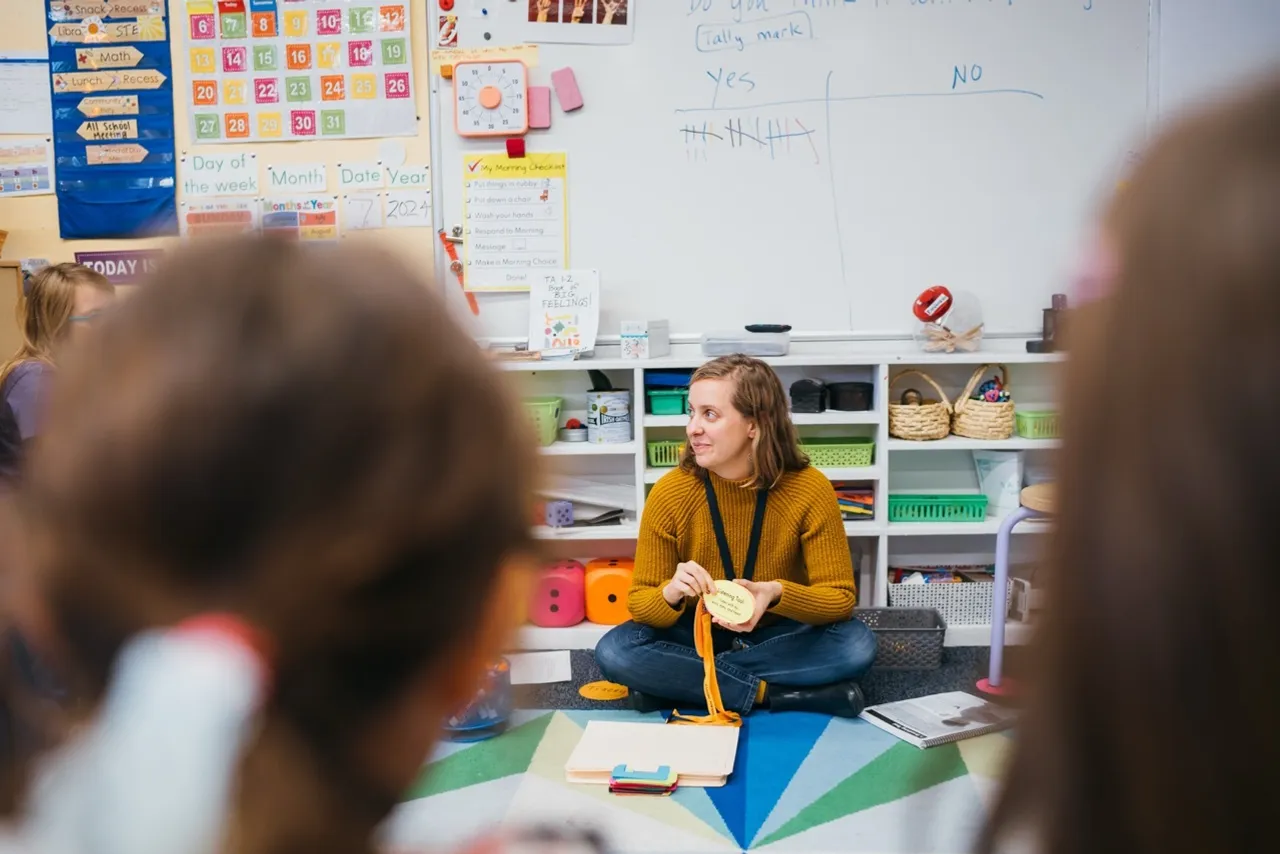
At Fayerweather, learning support is not separated from the daily work within the classroom. All classes in grades 1 -6 have both two co-teachers and a learning specialist as the core teaching and learning team. In PreK and Kindergarten, a learning specialist consults with co-teachers for each grade band and conducts screenings and assessments. In the Unit (grades 7 & 8), students meet with teachers in separate classrooms for different subject areas, and a dedicated learning specialist serves those students, as well. Our aim for all of our students is to support them as the independent, confident learners they are.
What follows is what that looks like in practice — the people who do the work, the processes we have when a concern arises, and how academic and social-emotional support are held as one coordinated whole.
What our learning specialists do
Every grade band has a learning specialist who works closely with classroom teachers and with children. The shape of the work changes as children grow — intensive foundational reading support looks different in second grade than executive-function coaching looks in eighth — but across the grades, our learning specialists share four core responsibilities:
They support children directly. Whether through in-class support, small groups, or focused one-on-one time, learning specialists work with children who need reinforcement, remediation, or a different way into the material. This work is scheduled to protect children's access to core instruction. We do not pull a child from reading to work on reading, for example.
They strengthen the curriculum. Learning specialists work alongside classroom teachers to bring current research and best practices into everyday lessons, designing instruction that works for the full range of learners in the room.
This is support that benefits every child, not only those who receive individual attention. This is rooted in our belief that an accessible educational environment is one that benefits everyone, not just those who need additional time or attention.
They watch the whole picture. Learning specialists keep careful track of each child's progress, serve as the point of contact for any outside evaluations or reports, and write the learning plans that communicate a child's needs and accommodations to the whole teaching team.
They catch what might otherwise be missed. Through regular screening and close observation, learning specialists identify children who may need more and bring families into the conversation early, before a small gap becomes a larger one.
How we catch needs early: screening and observation
In grades three through eight, every child completes a brief academic screening three times a year. In grades 1-4, our specialists use reading screeners to track the foundational skills. For PreK and Kindergarten, our specialists utilize occupational therapy, speech, and language screeners. We use this information internally to measure each child's growth, to find and fill gaps in our teaching, and to identify early when a child may need more support than the classroom is currently providing.
A consistent process, repeated across the years, gives our teachers a clear and current picture of where each child is and a reliable way to notice when something needs attention.
The Child Study process
When a parent, classroom teacher, or learning specialist raises a concern about a child's learning or capacity to engage in the classroom, we move methodically. The Child Study is the structured process by which we look carefully at what a child needs.
It begins with noticing. This may be as simple as a child who is lively in most areas seeming to have gone silent in another. It could be a child who never has difficulty following instructions appearing be easily distracted or off-task in a lesson. Any concerns are flagged – not as problems, but as curiosities about what may be going on for that child in that context.
A team convenes a Child Study meeting with classroom teachers, the learning specialist, the counselor when relevant, and any other staff who work with the child. The meeting reviews what has been observed, names what we are seeing, compiles information from every adult who has worked with that student, and then a short-term plan of action is developed.
A follow-up brings the team back together to review progress and decide on next steps — continued support, additional in-house assessment, or, when warranted, a recommendation for outside evaluation.
Social-emotional support: the school counselor
Growing up is not only an academic process. Children navigate friendships, family changes, identity questions, anxiety, big transitions, and the full range of human experience. Fayerweather’s school counseling program is part of how we hold that.
Student Support Team
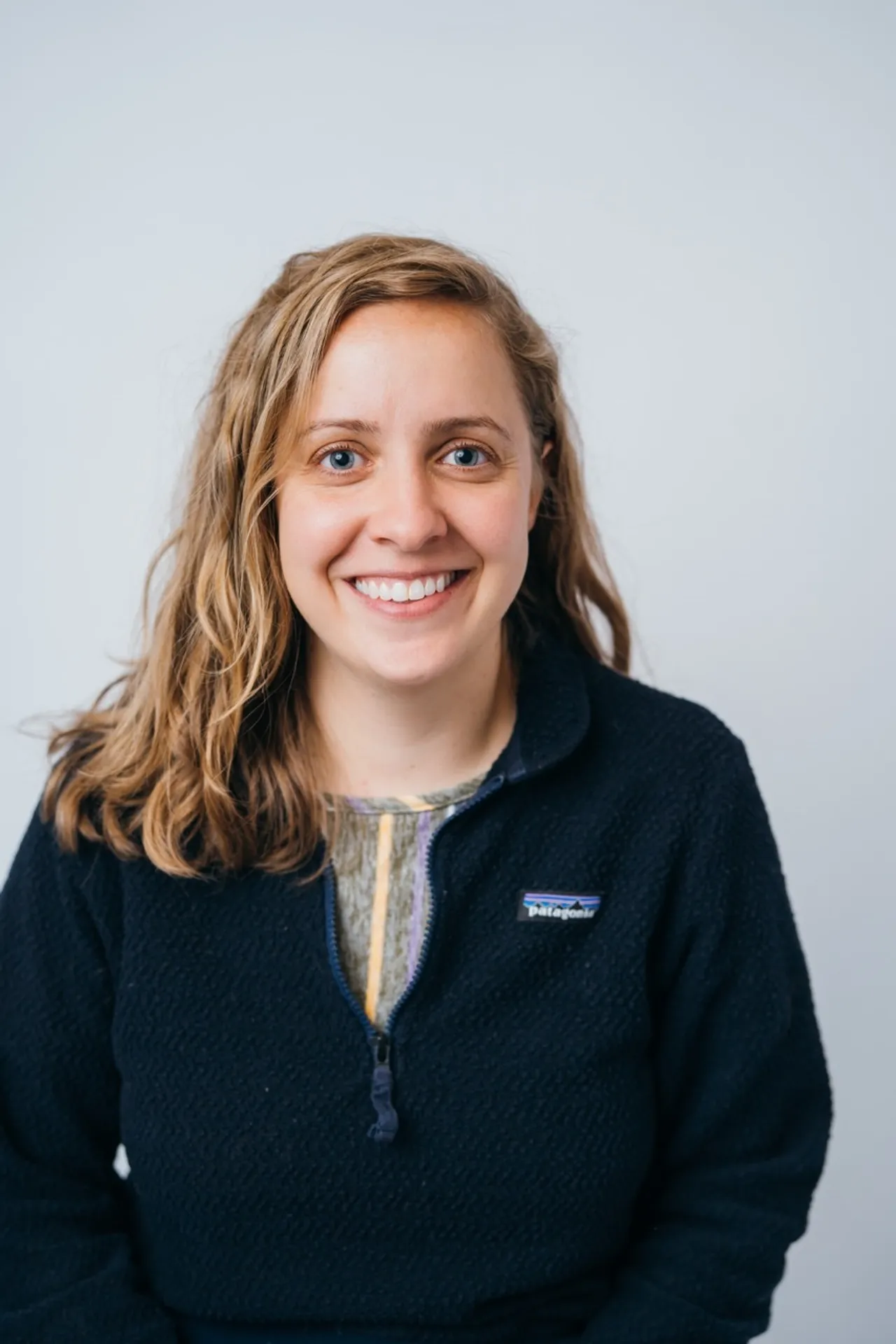
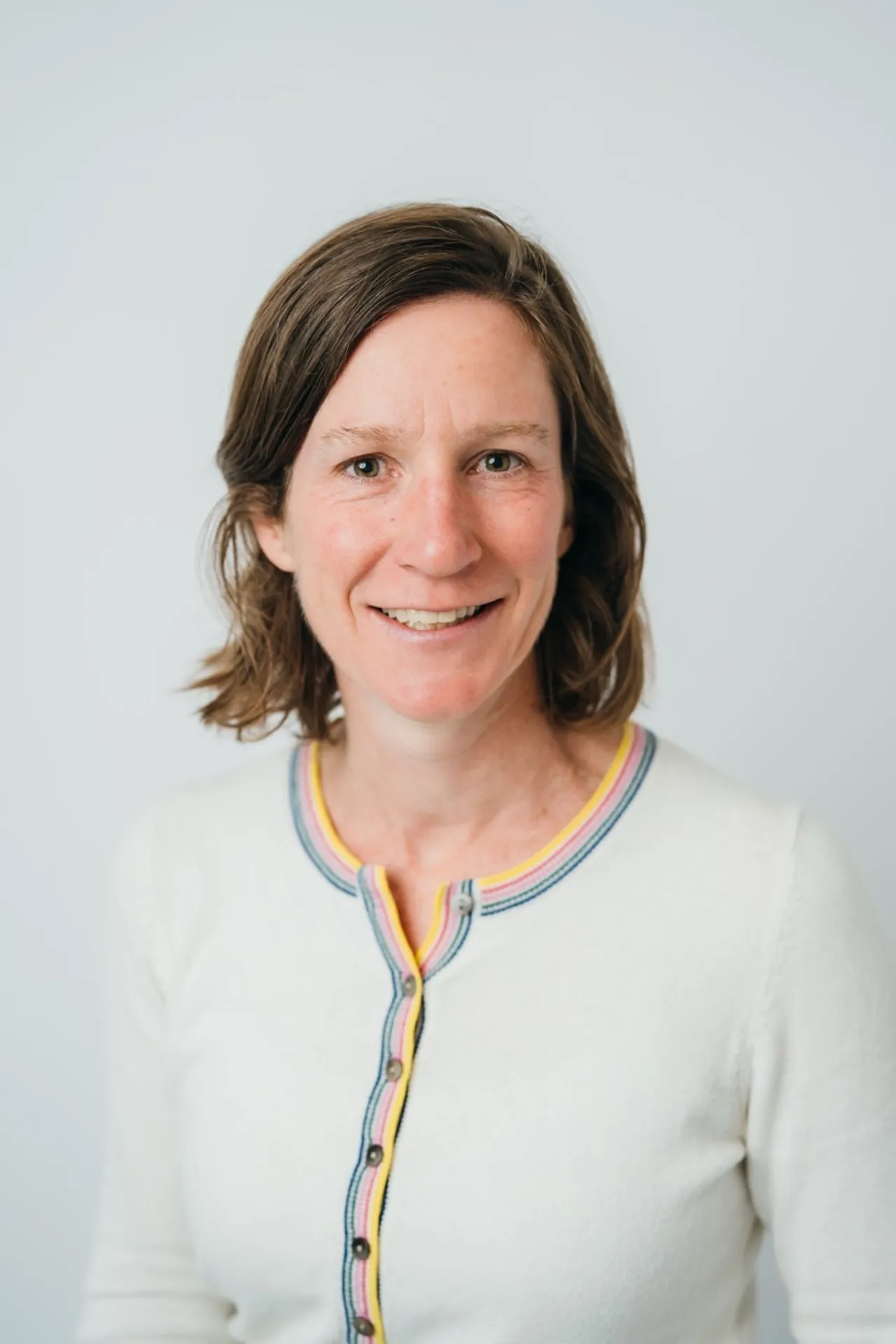
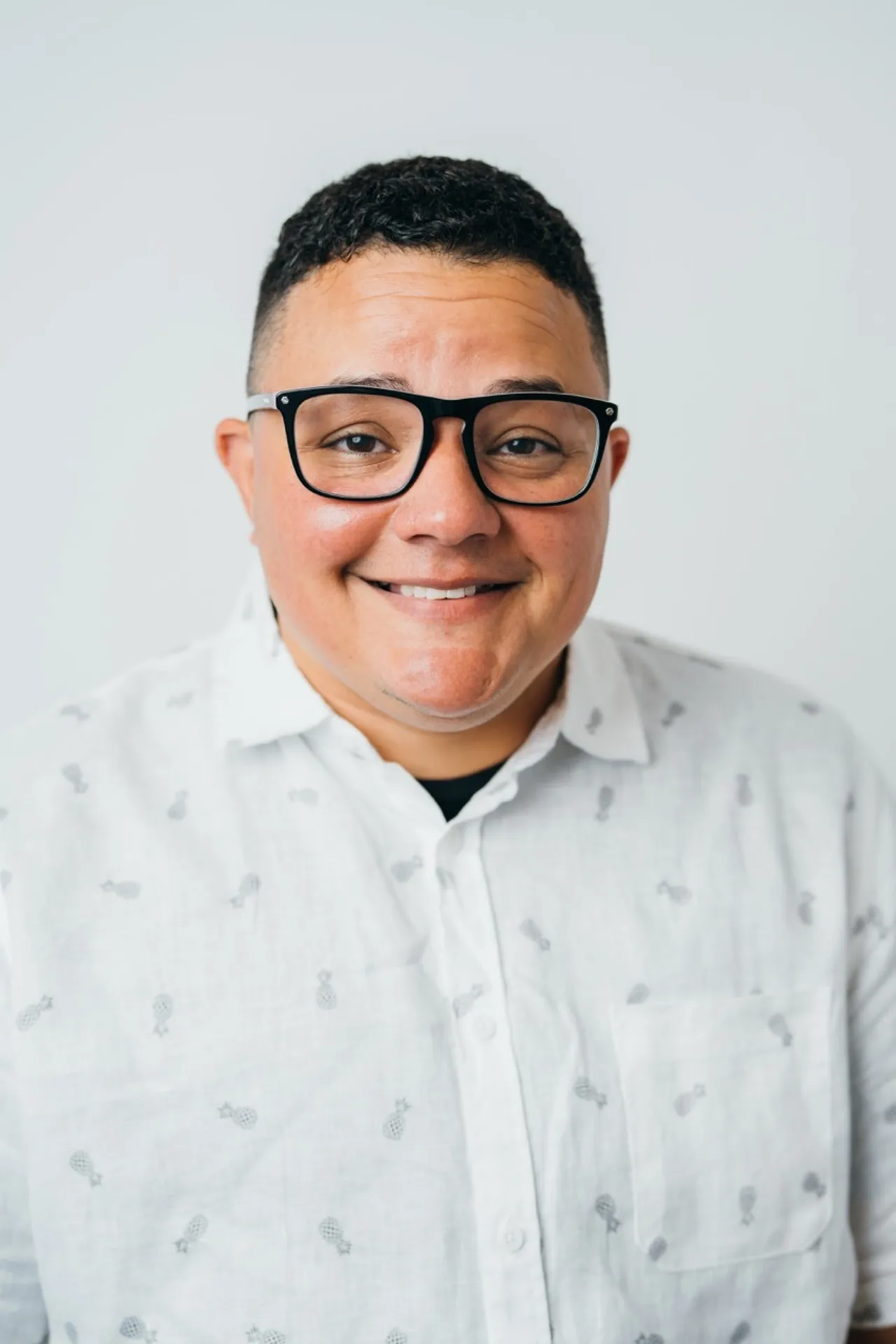
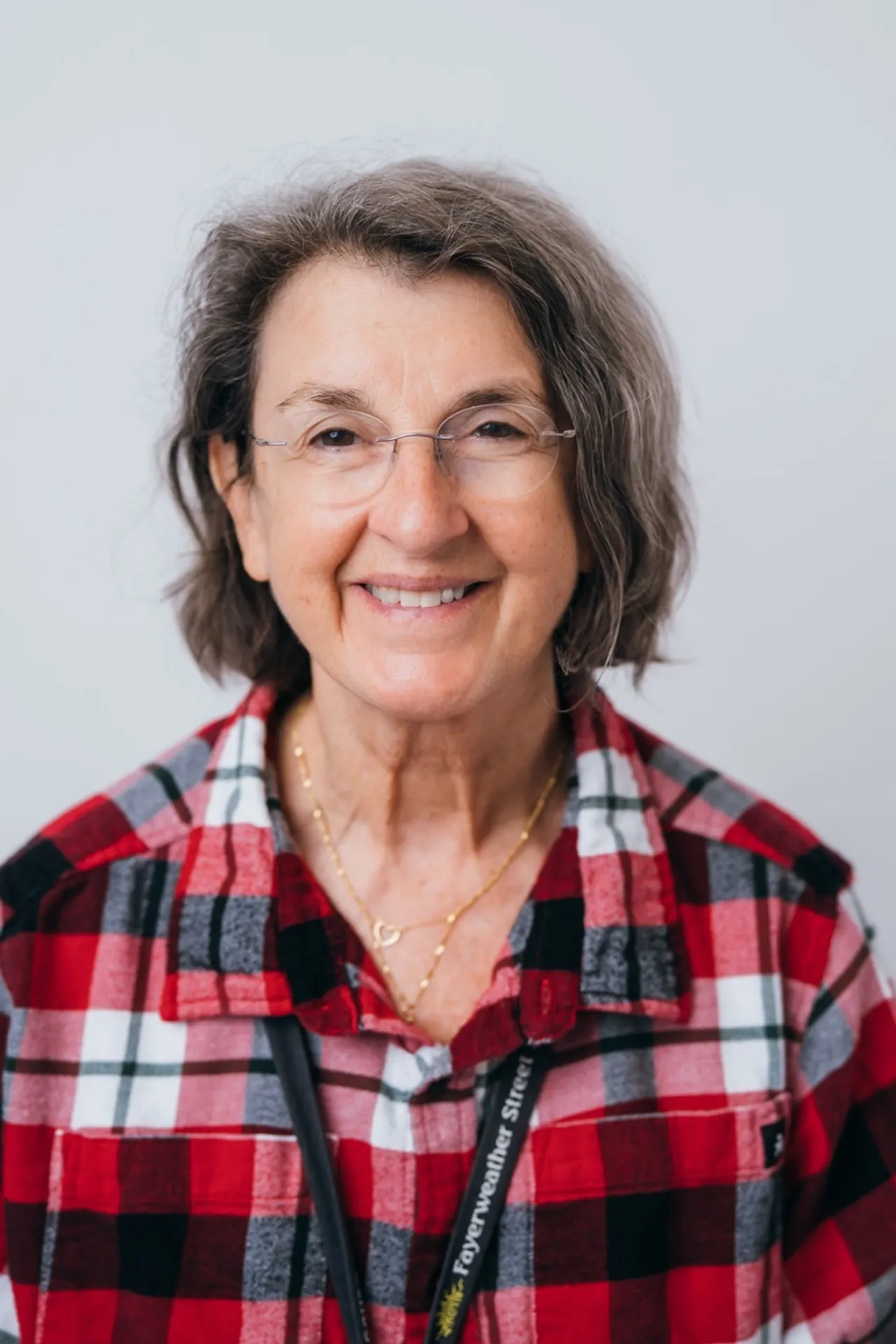
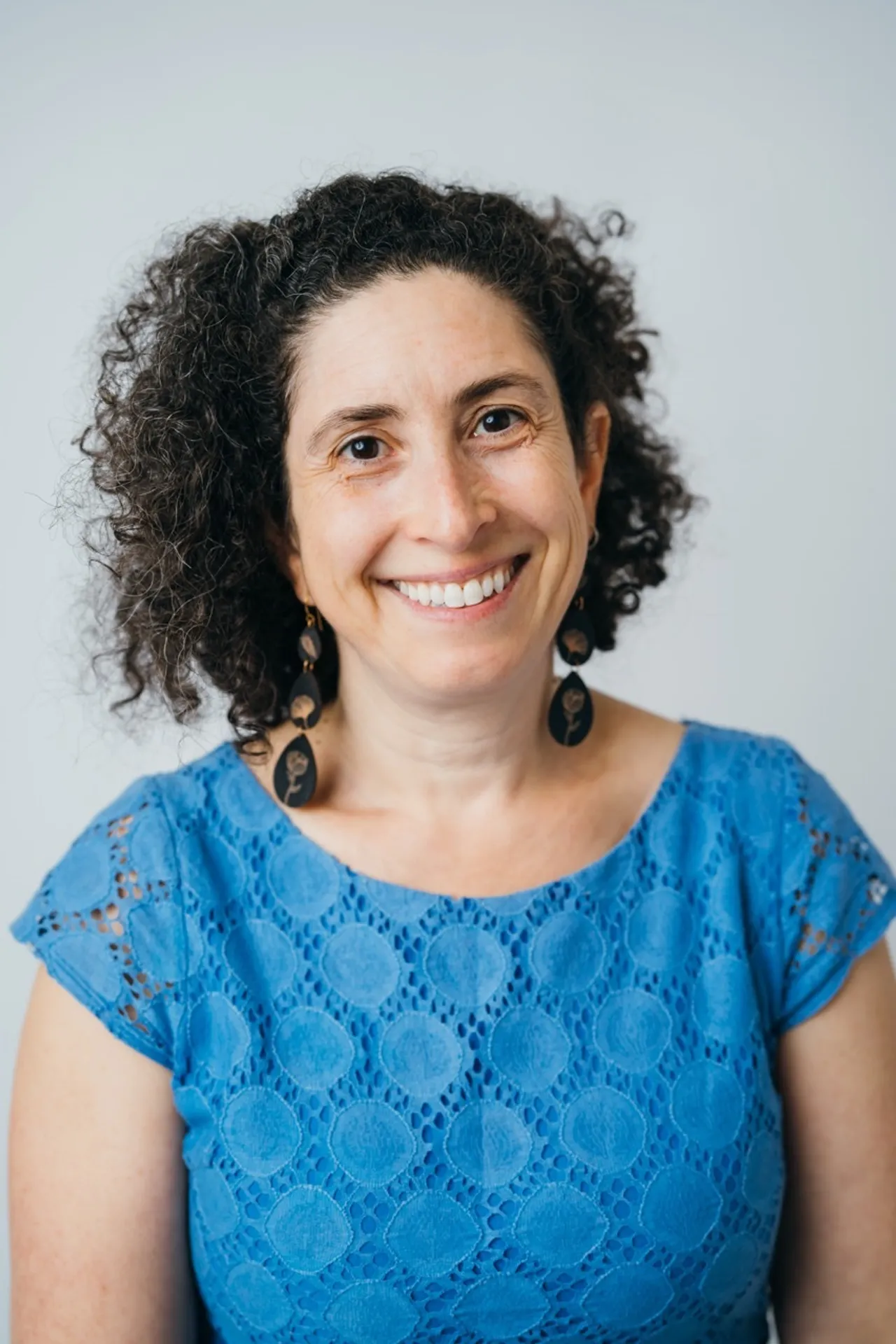
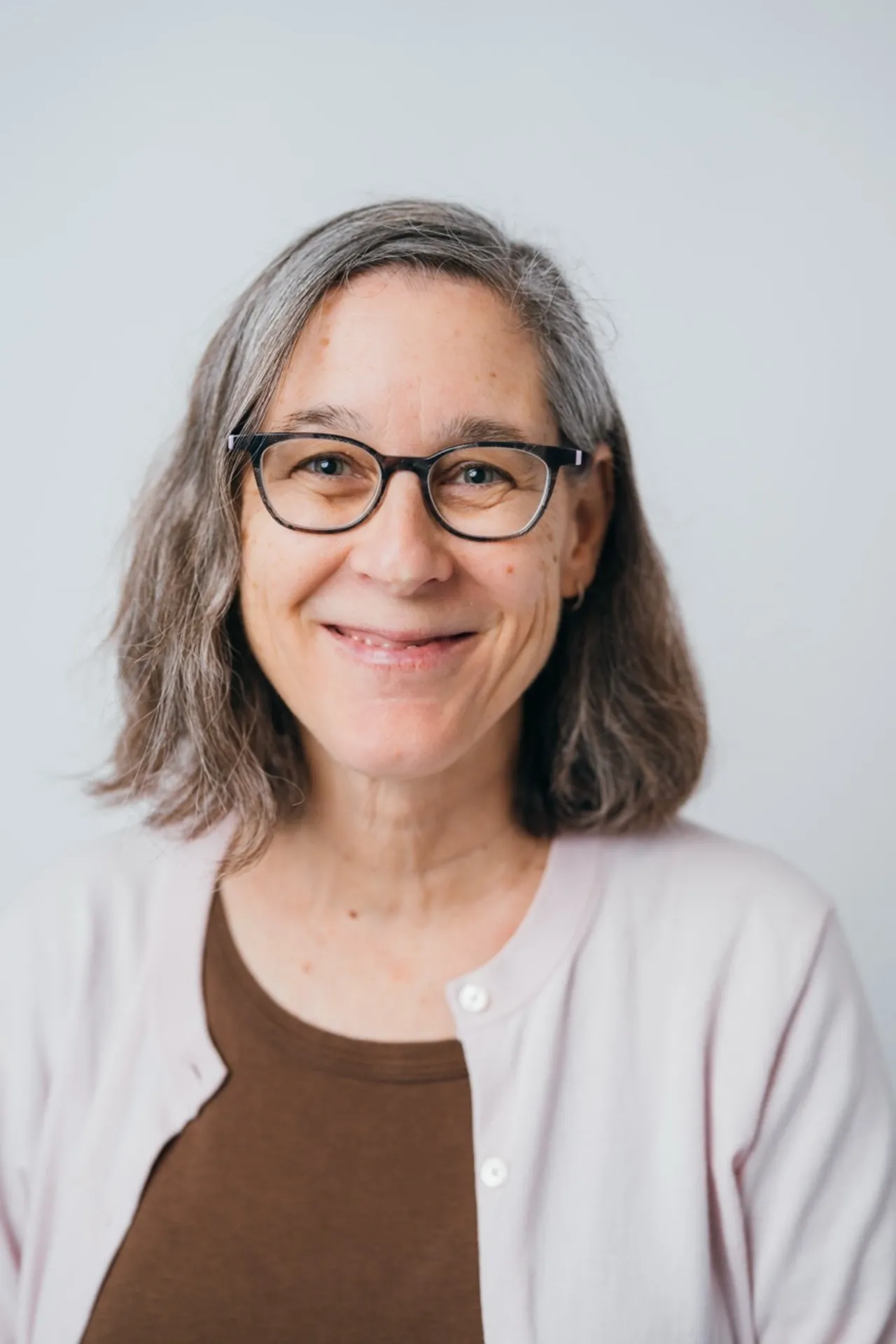
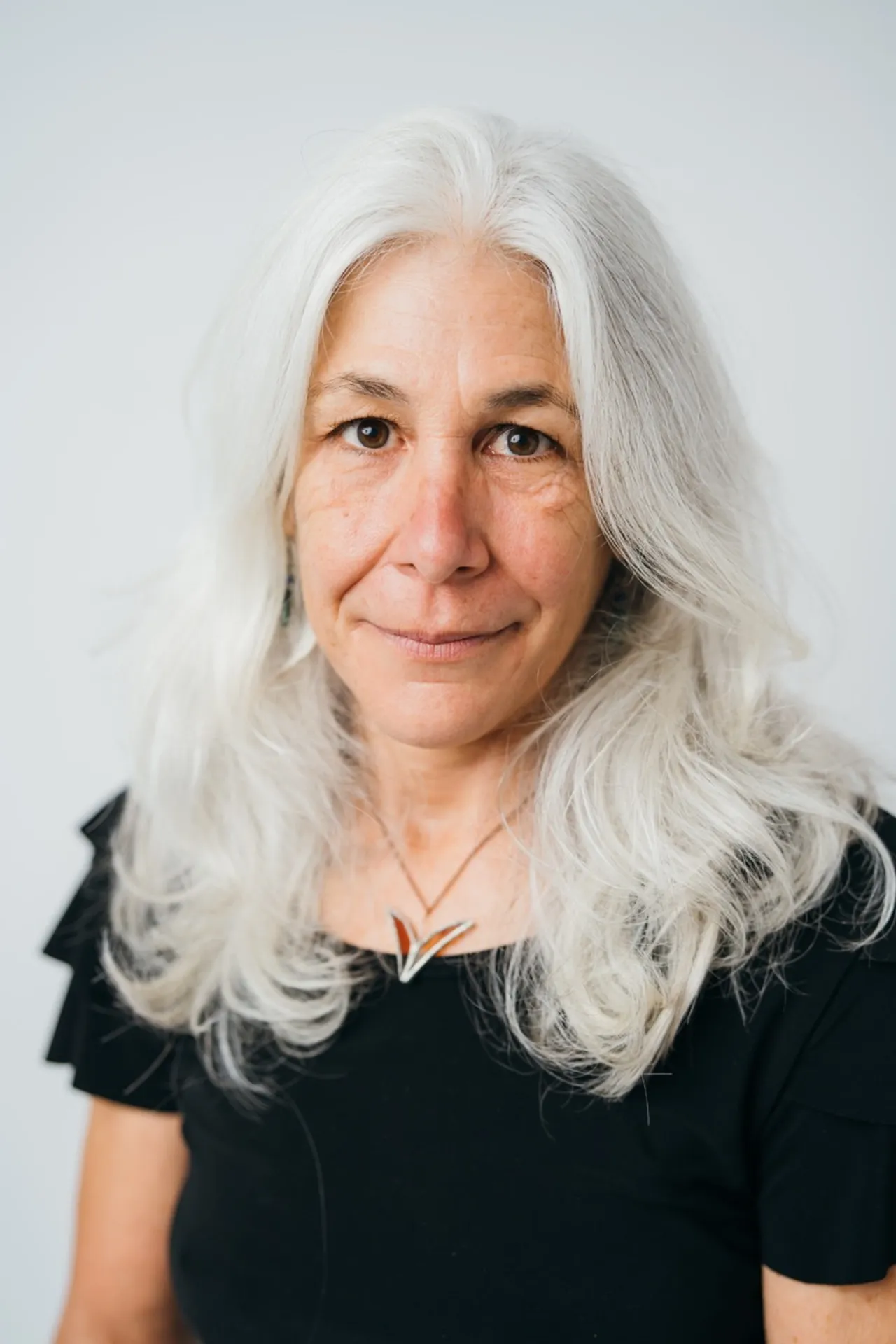
Our school counselor works directly with students, staff, and families to support the social-emotional well-being of every child at Fayerweather; meeting with individual children when needed, running groups, teaching across the grades, supporting families, and offering parent education throughout the year. When a child or family needs more sustained support than school can provide, our school counselor helps families connect with the right professionals.
The counselor and the learning specialists work as one coordinated team, alongside classroom teachers and division directors. A child whose learning challenges are intermingled with anxiety, attention, or social-emotional change is seen by adults who are talking to one another.
Working with families and outside providers
We cannot be everything to every family, however, and sometimes support needs go beyond our capacities, even as we work within our capacity to support each child’s needs. We do not have occupational or physical therapists on staff. We do not provide speech and language services directly, though a private speech-language provider consults with the school and can evaluate and work with children on site by family arrangement. We do not offer tutoring as part of our program; when a child works with an outside tutor, that work happens outside the instructional day, often during morning work time or after school. We cannot accommodate intensive changes to our curriculum or classroom practices. And we cannot provide intensive behavioral support for children who may have difficulty engaging in classroom social and instructional dynamics.
While there may be students whose needs exceed what we can provide in-house, we make room for those who are meeting a child’s needs outside of school to inform how we teach and support that child at Fayerweather. When a child has an outside evaluation, an IEP, a private therapist, or a tutor, for example, our learning specialists and teachers work to bring that information into the life of the classroom — meeting with outside providers, with family permission, and translating their recommendations into the daily experience of school. When a child needs more than we can offer, we help families find the right professionals and the right path forward, including the free evaluation every child is entitled to through their local public school district.
Who thrives at Fayerweather
Fayerweather is an active, engaged, and joyfully busy place. Children move. They work on projects. They talk, build, question, and collaborate. They are asked, from the earliest years, to be participants in their own learning rather than passive recipients of it.
This environment is wonderful for many kinds of learners — including many children who struggle in more rigid, seat-bound settings. Children who need to move, who learn by doing, who thrive on real purpose and real engagement, often find themselves at home here. With the right support, children with a wide range of learning profiles and learning differences flourish at Fayerweather.
It is also an environment that asks something of children: the capacity to engage, over time and with support, in the life of an active classroom community. Some children need a more structured, more contained, or more intensive setting than we are able to provide.
If you are wondering whether Fayerweather would be the right fit for your child, the best thing to do is talk with us directly. We are glad to have that conversation.
Founded in 1967, Fayerweather is an all-gender independent private school enrolling students in pre-kindergarten through eighth grade and located in Cambridge, MA. Children here are taken seriously — as thinkers, as individuals, as people whose presence in the world already matters. They learn by doing real things, in real places, for real audiences. They become themselves, in community, over time.