PreK & Kindergarten
The earliest years, held with care.
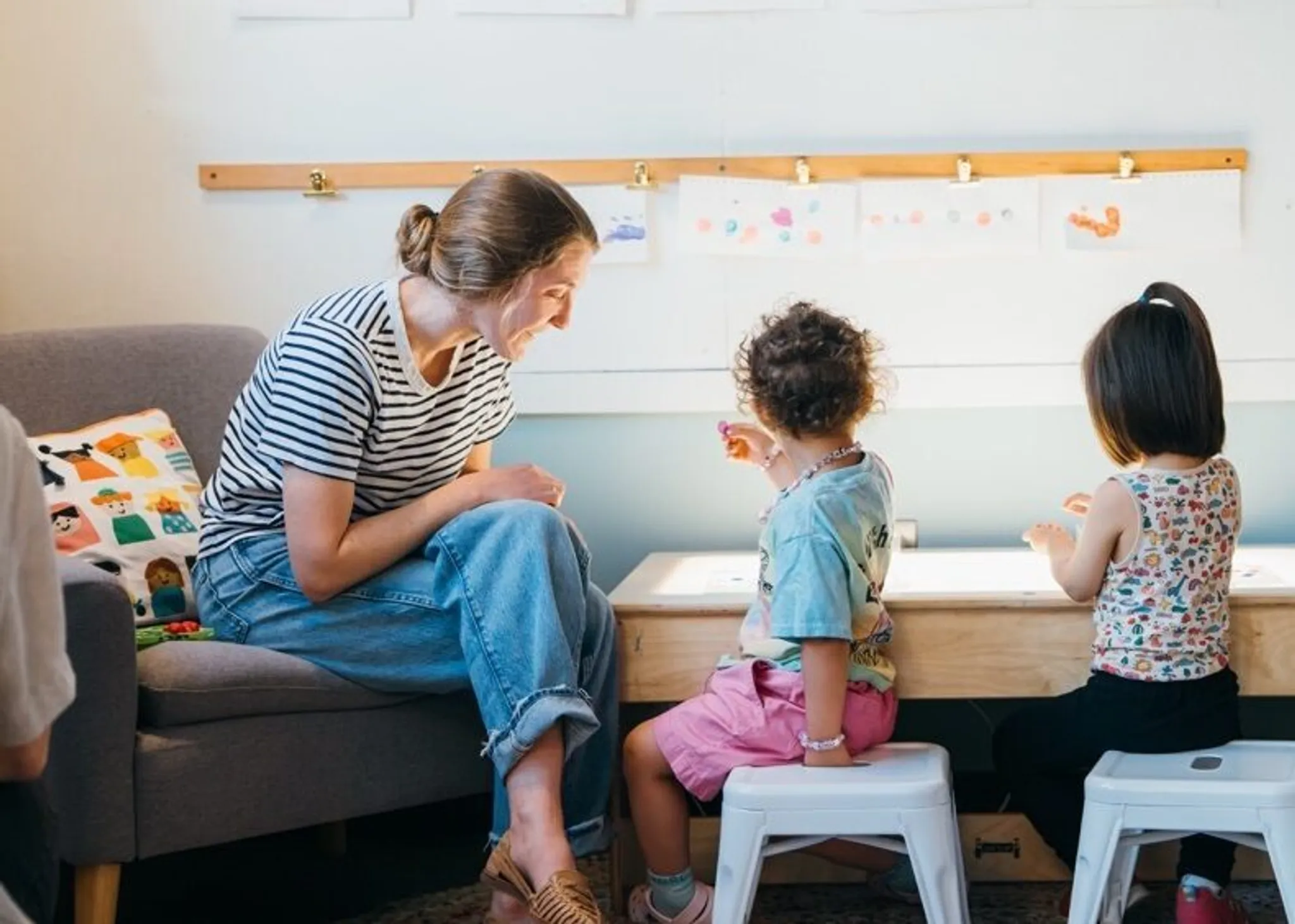
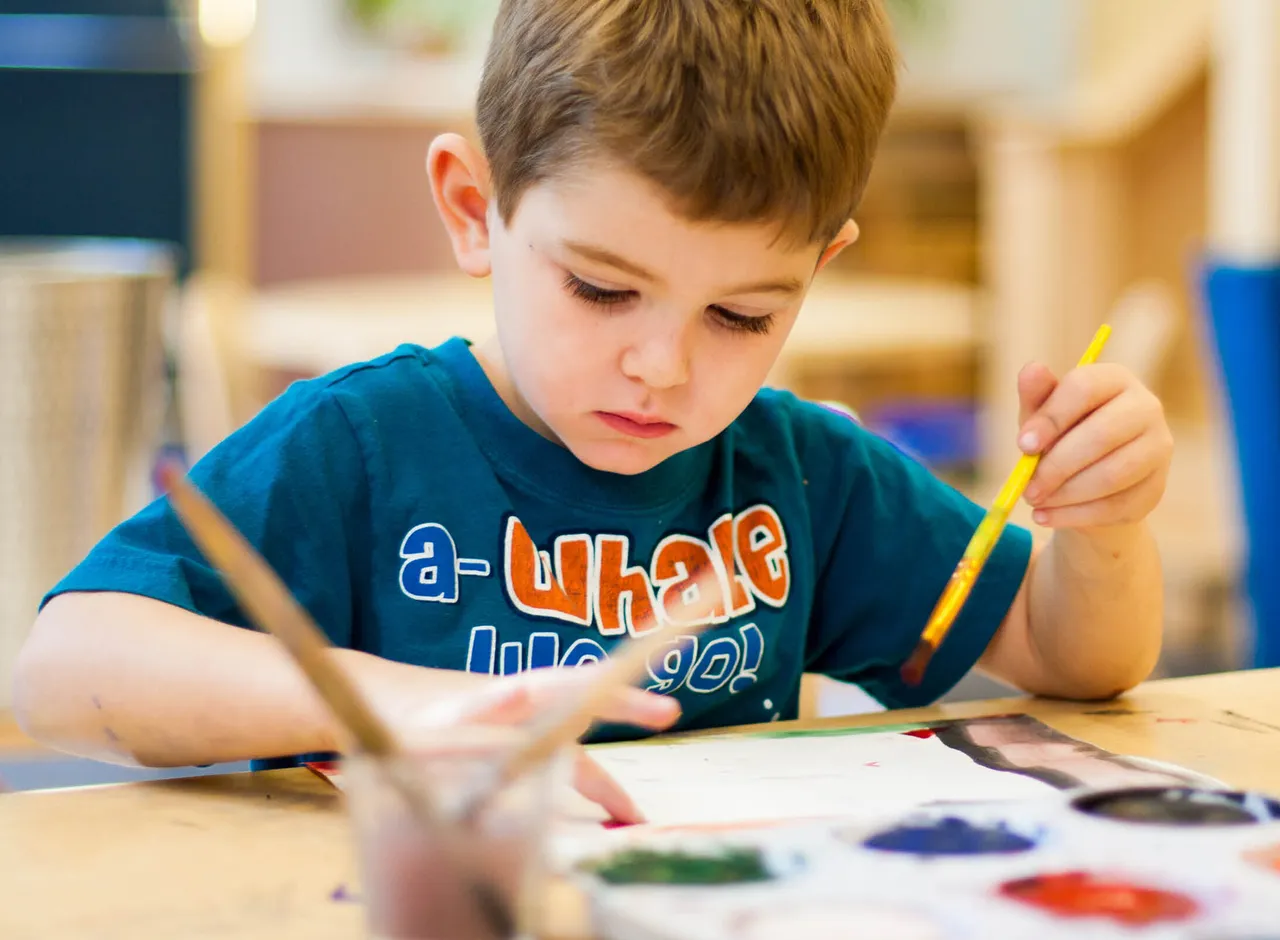
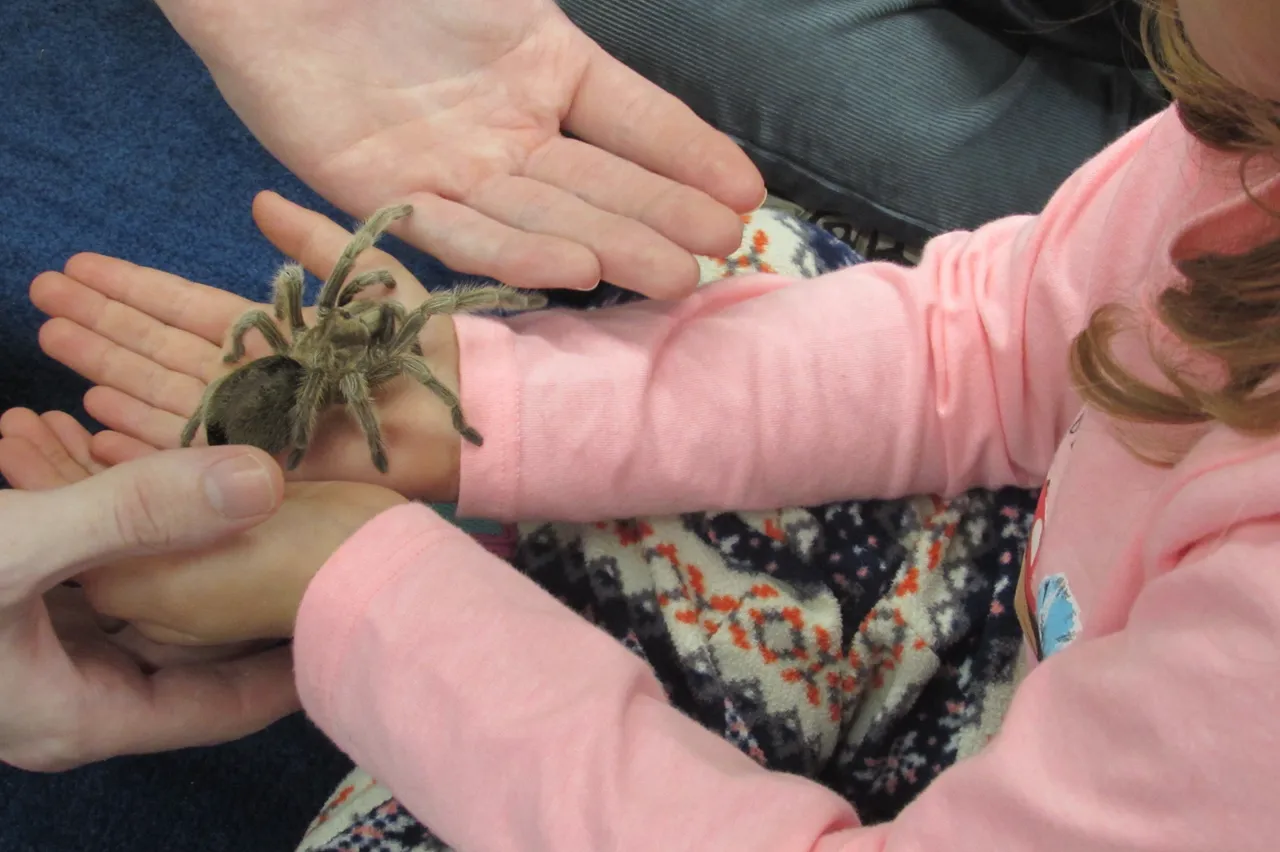
PreK, TK, and Kindergarten at Fayerweather is designed for the lived realities of three-, four-, and five-year-olds. The day is unhurried and the classroom is warm. Teachers know each child by name, by temperament, and by what makes them light up. Children spend significant time outside every day, and they learn to read, to count, to share, and to listen through play, through story, and through the slow work of becoming part of a school community.
A gentler day.
The earliest years move at their own pace. The day ends at 3:00 PM, with a 1:00 PM pickup option for PreK families who want one.
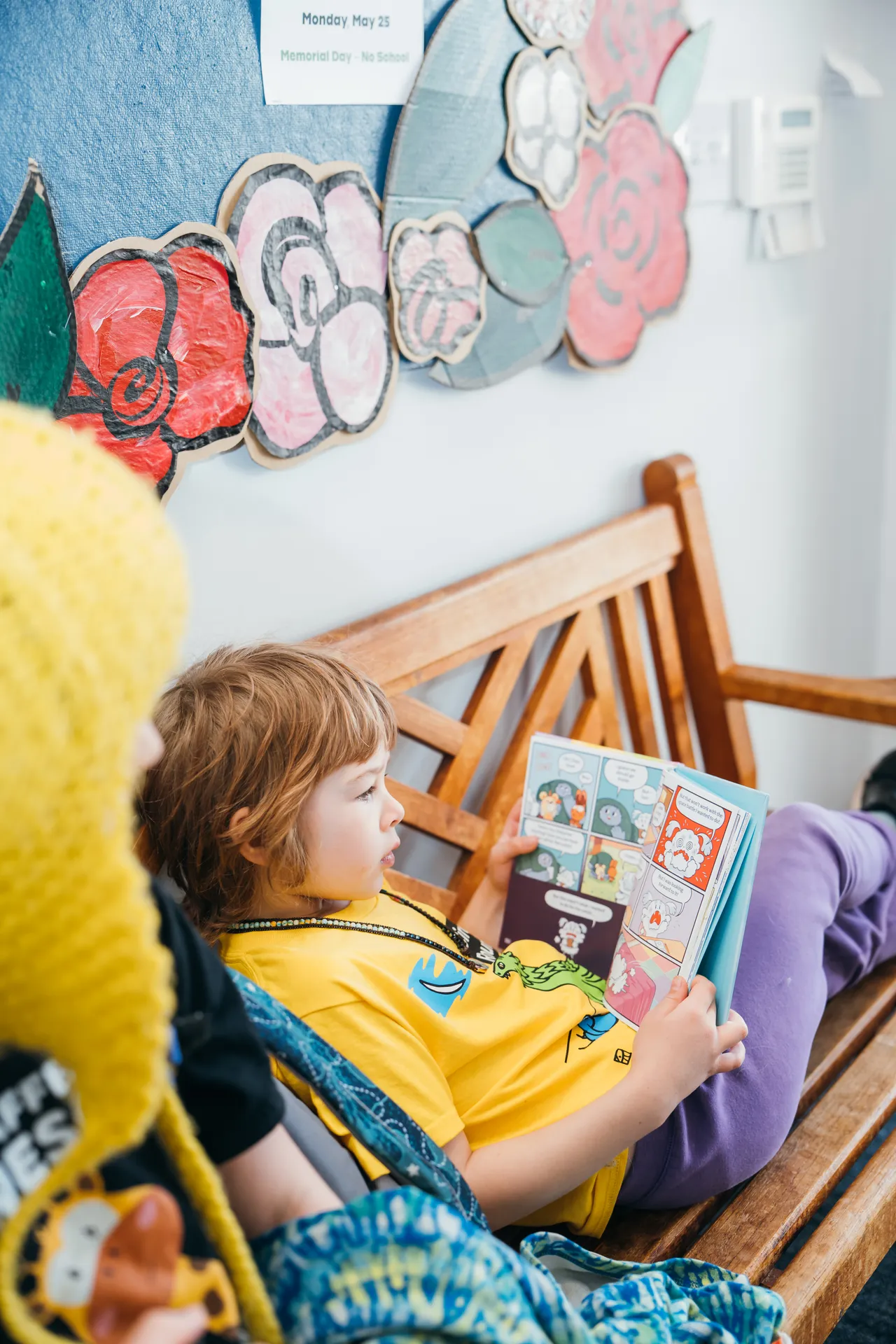
Mornings hold the most focused work, broken up by snack, generous outdoor time, and play. After lunch, every child has a quiet time. In PreK this begins as a nap for many children, with books and quiet activities for those who do not sleep. In Kindergarten it starts as a short rest after lunch and, as the year goes on, becomes independent reading and drawing, which is what quiet time looks like in first grade. The shift is gradual, and it follows the children.
The transition into school.
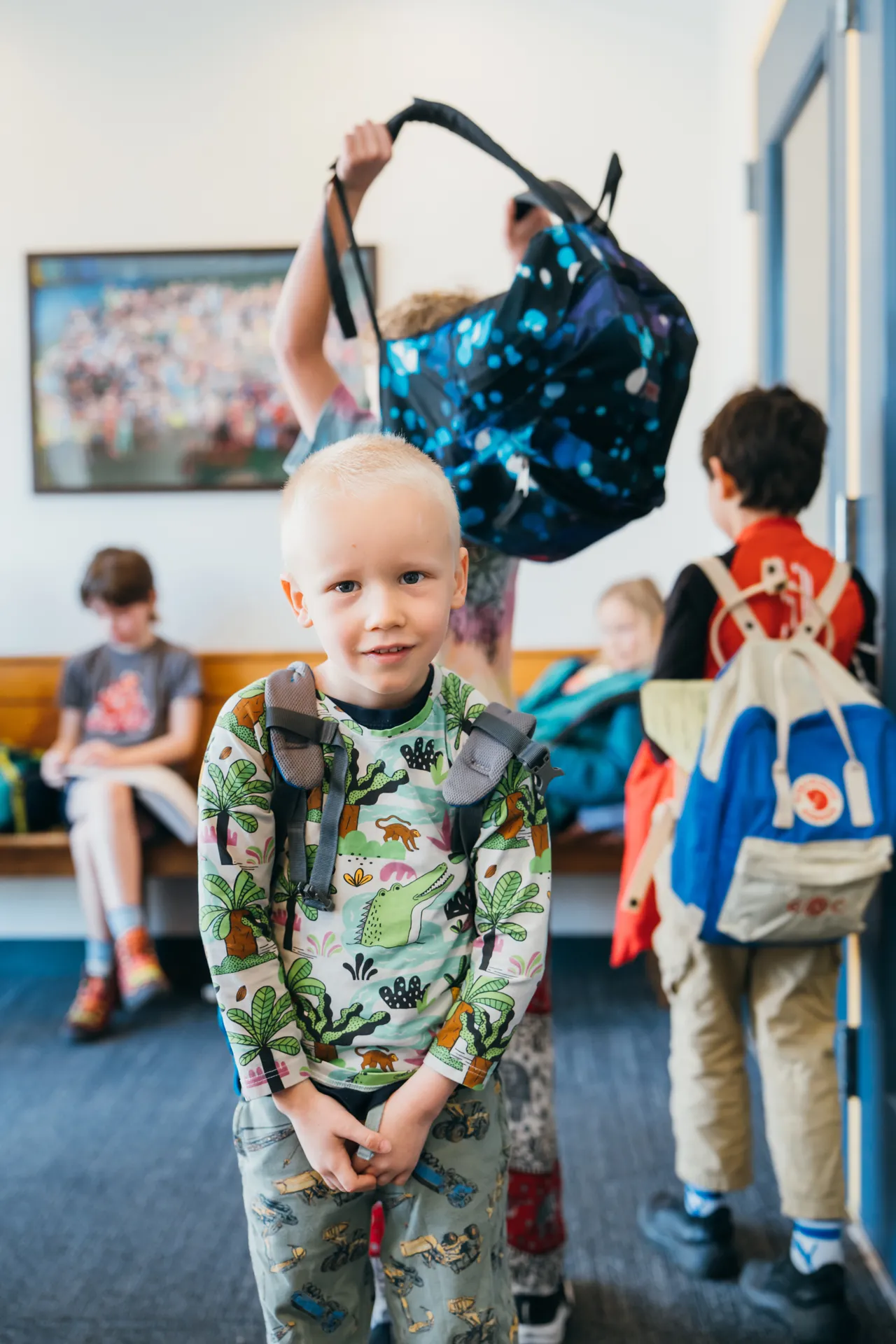
Starting school is a significant step, and we hold it with care. In both programs, the first weeks are for learning how to be in school: how to find a seat, find a friend, find a bathroom, and find your voice. Everything else builds on that.
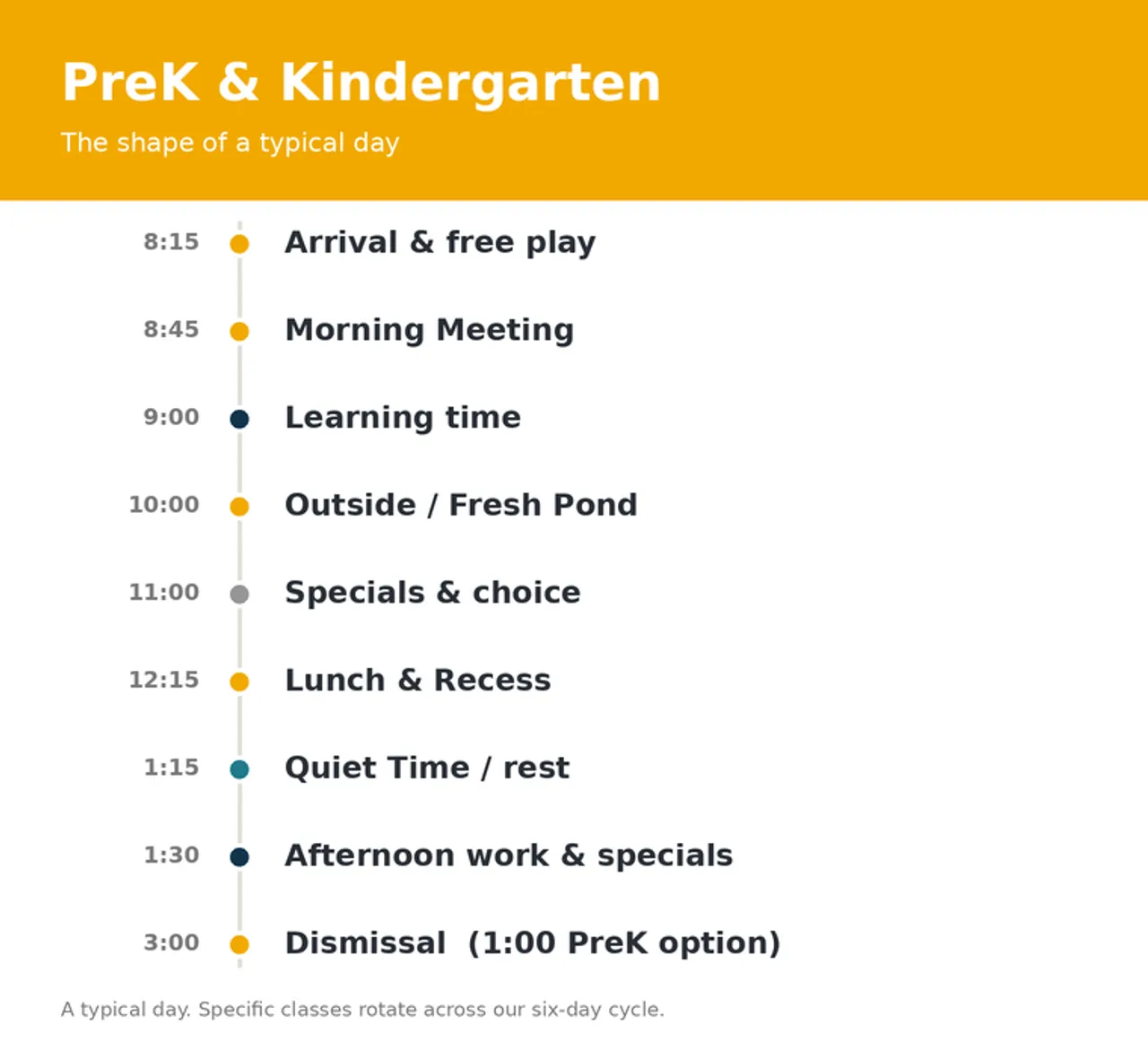
A day in Pre-K & Kindergarten
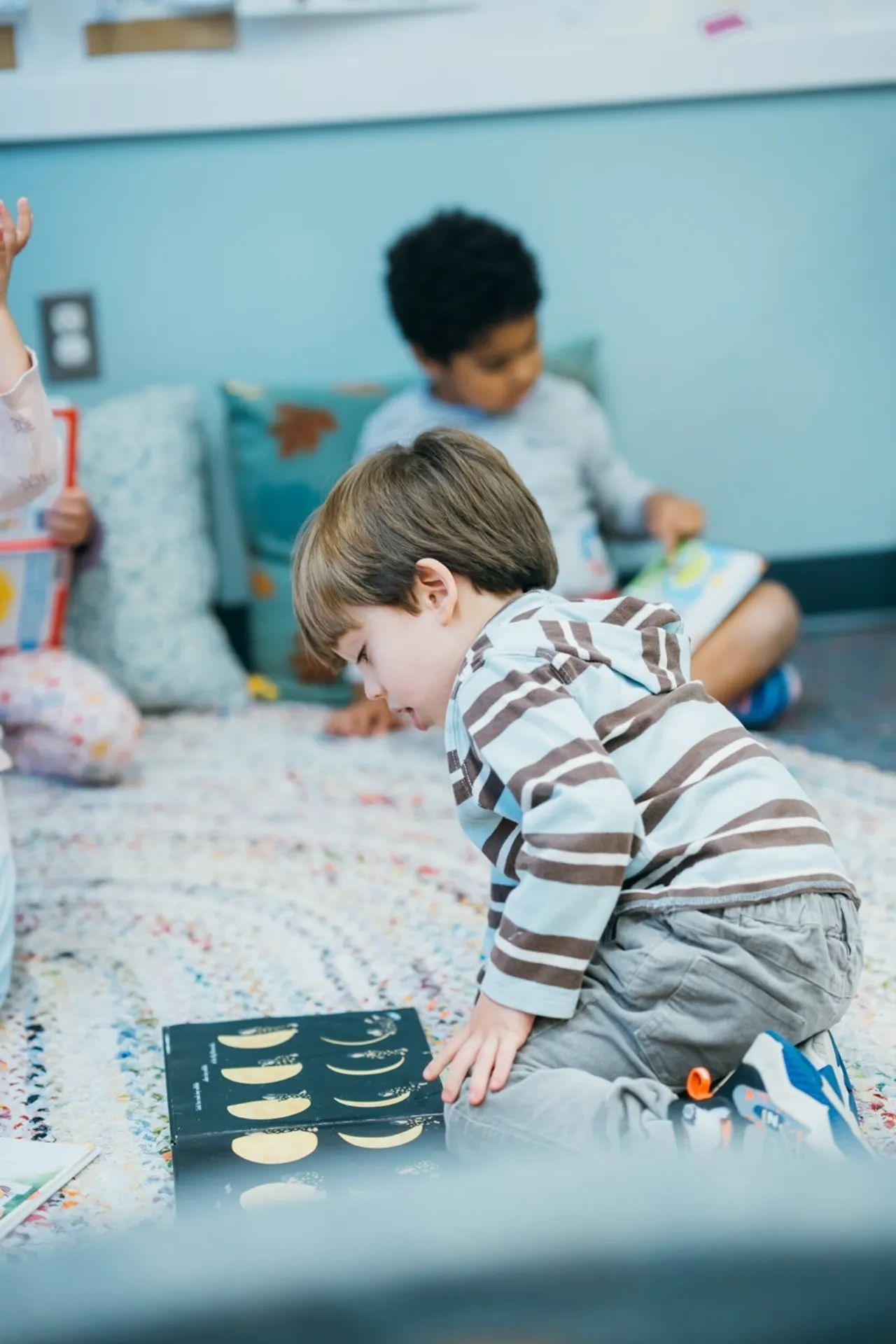
Children at this age are natural learners. They arrive curious, experimental, and tireless in their work of discovery. The role of the school is to build the conditions in which that curiosity can grow.
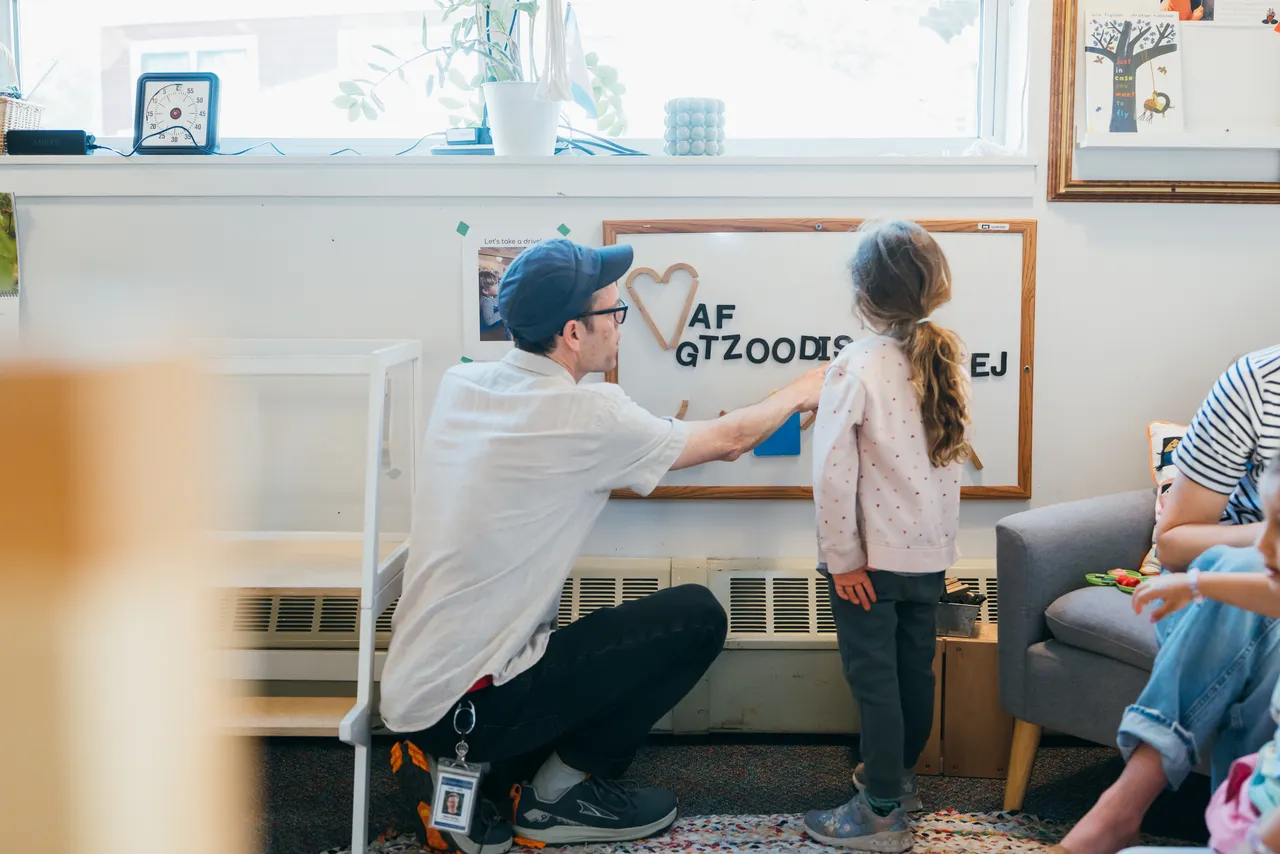
Reading begins with building phonological awareness, letter sounds, decoding, fluency, and comprehension, and we teach it in ways that hold meaning for children. A Kindergartener writes a sign for the classroom garden. A child asks how to write dragonfly and learns that another child in the class already knows. A PreK student dictates a story for the teacher to write down, then reads it back, enjoying the experience of writing her own book.
We teach numeracy the same way. Numbers are real. Counting is for counting things, and patterns are everywhere: in songs, in calendars, in the structure of stories, and in the rhythm of the day. Children become mathematicians by being treated as mathematicians.
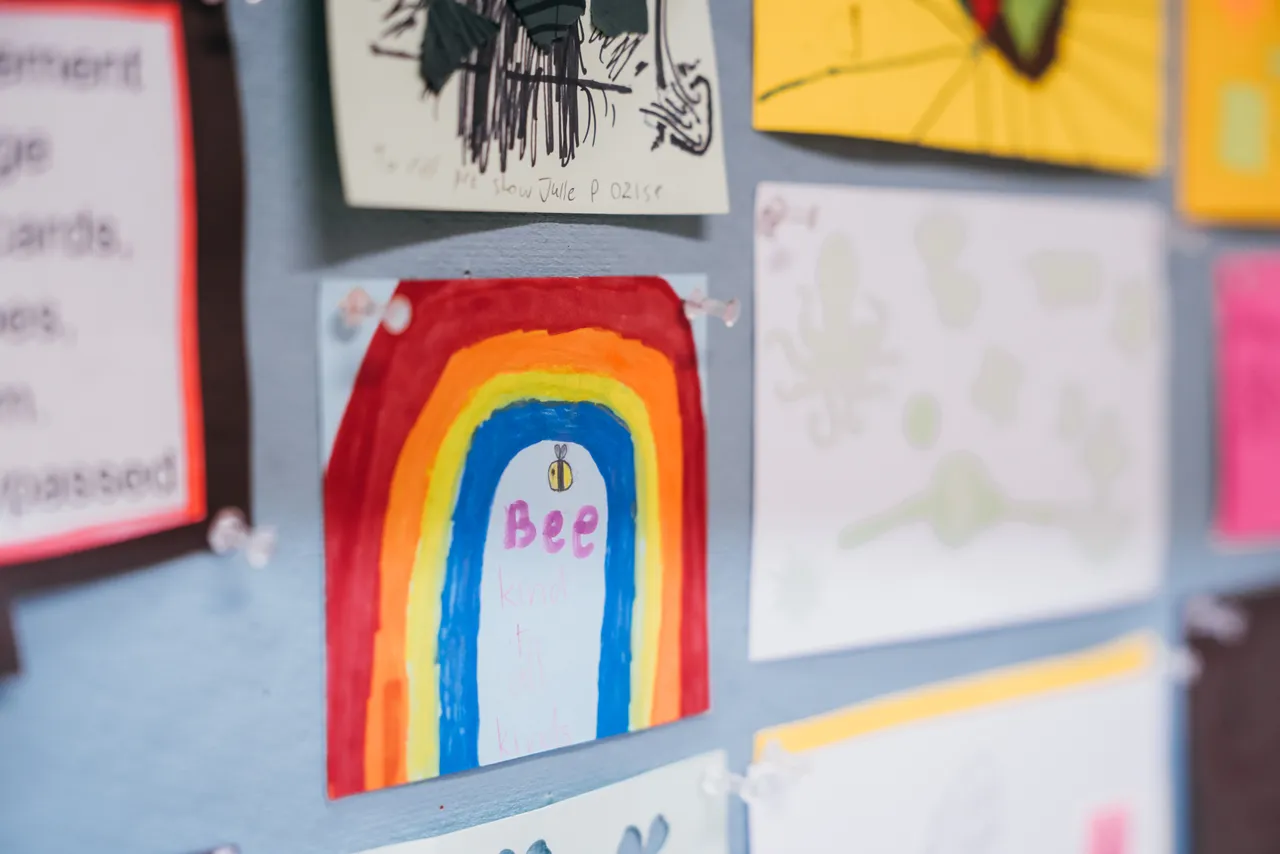
Across the day, we treat children as people with real ideas. The rules of the classroom are written together with the children, in their own words, and posted on the wall. When something hard happens, we slow down, name it, and ask the children to help find the way through. We talk about taking care of bodies and taking care of feelings. And we practice "Three Before Me," where children ask three classmates for help before coming to a teacher, which builds independence and the sense that children are resources for one another.
Time outside
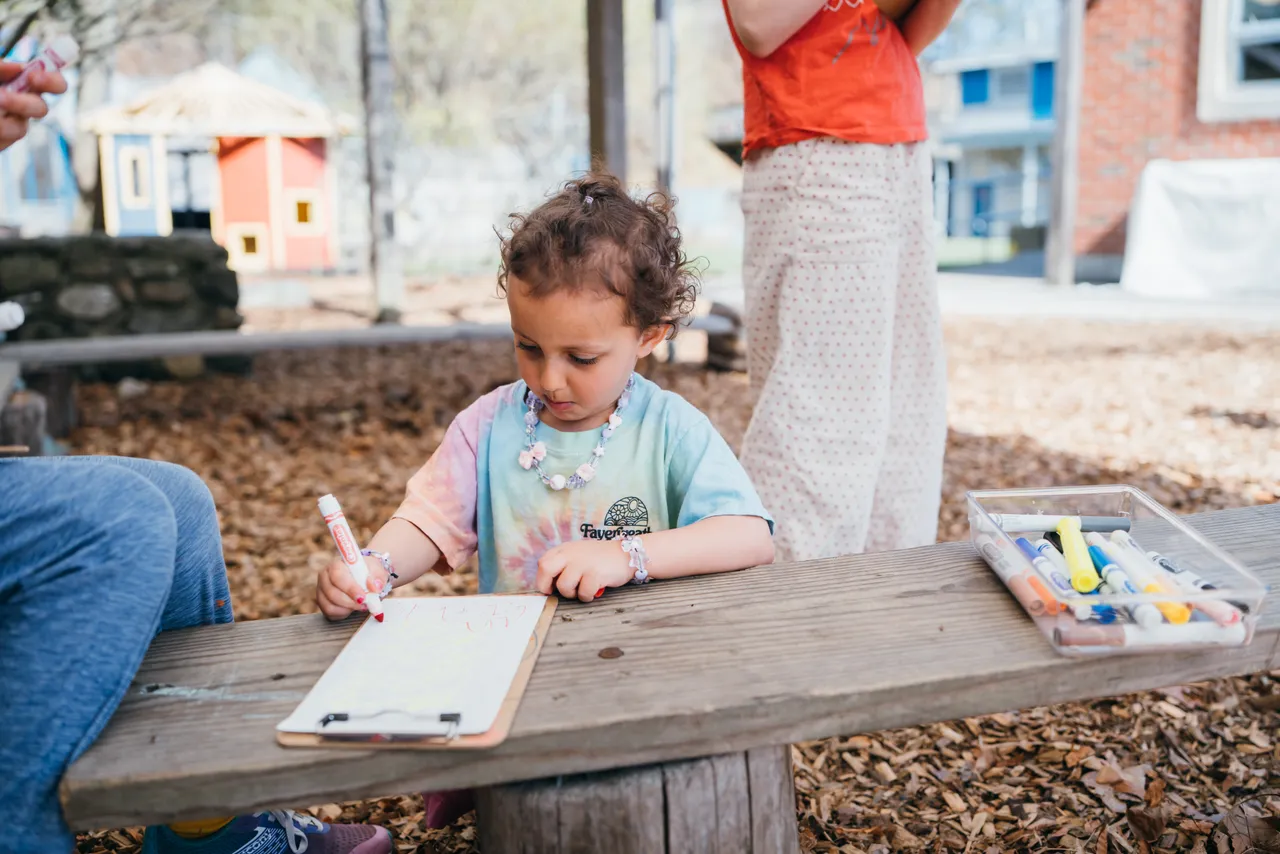
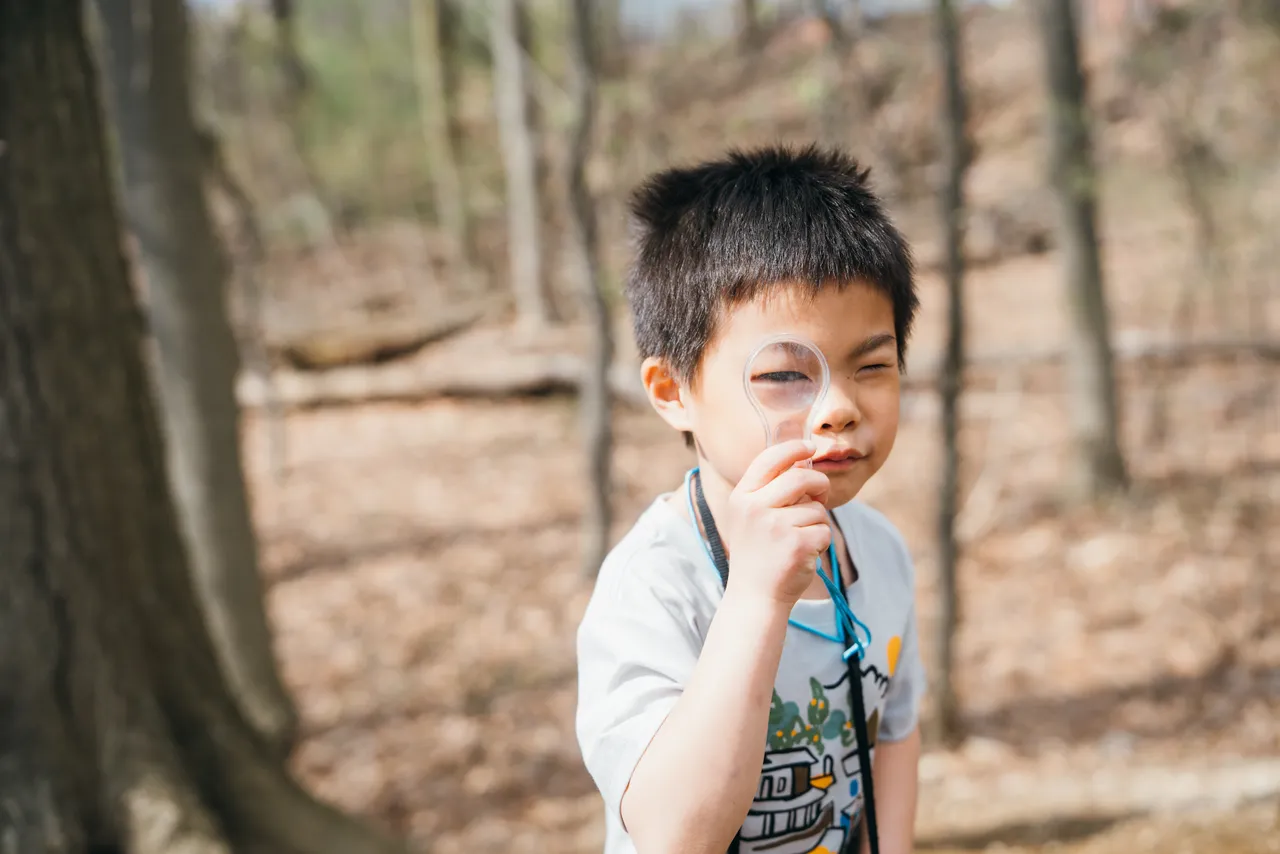
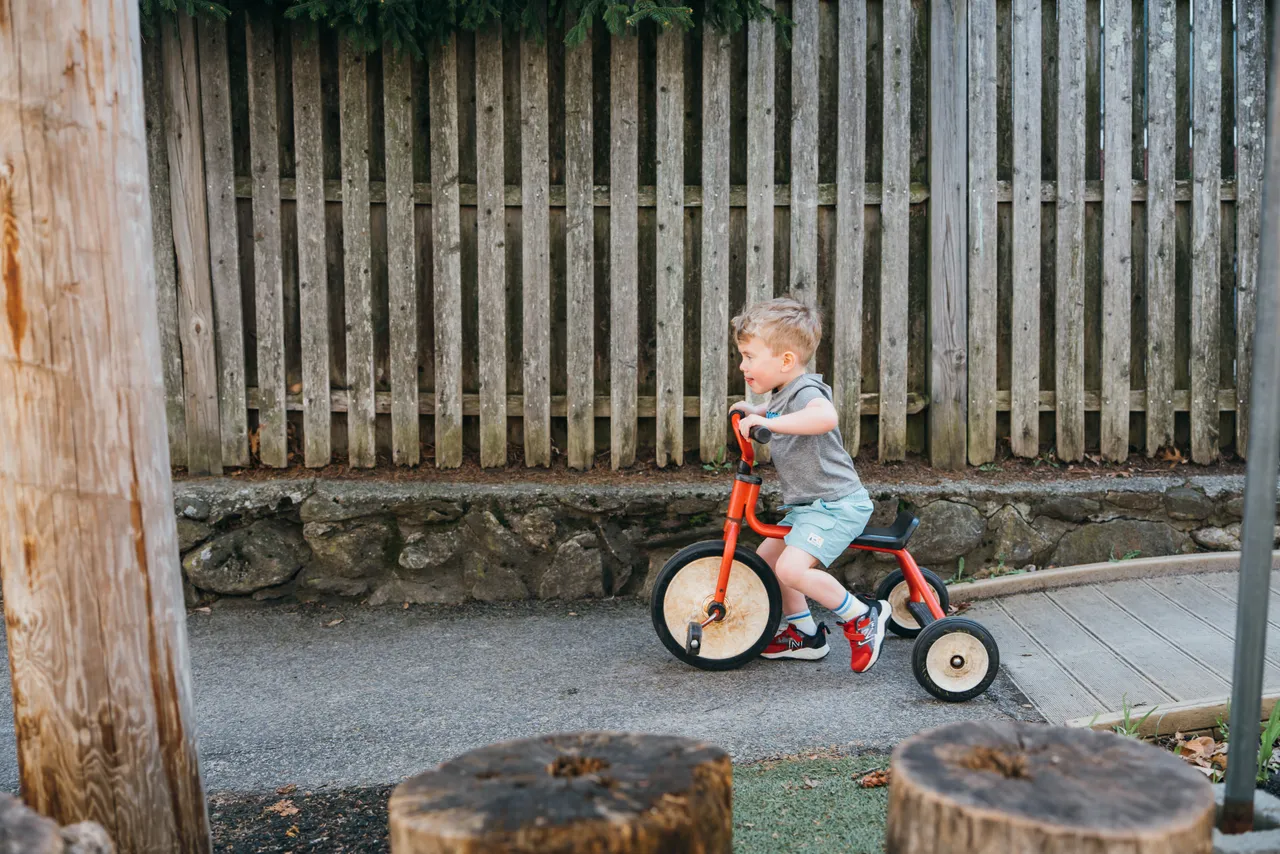
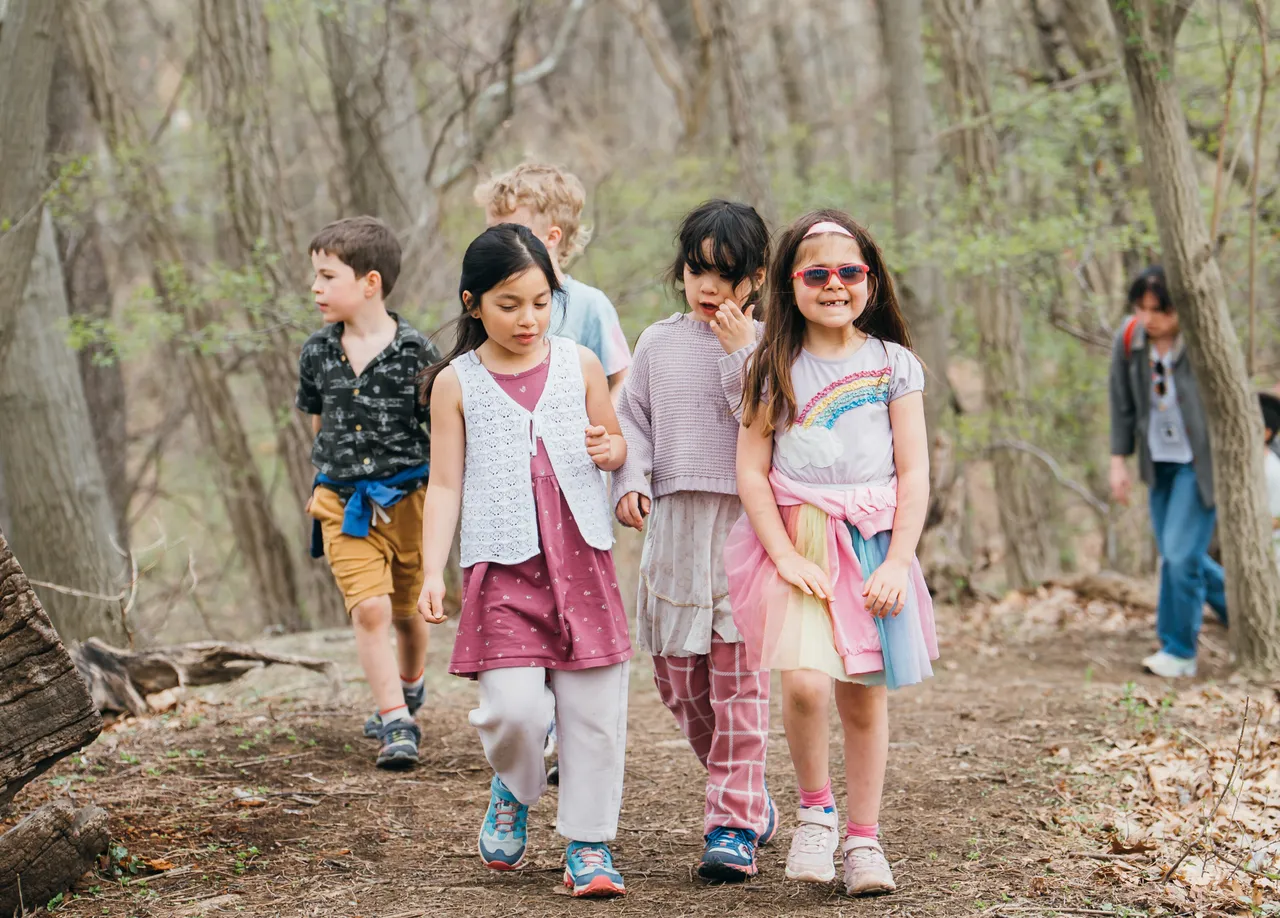
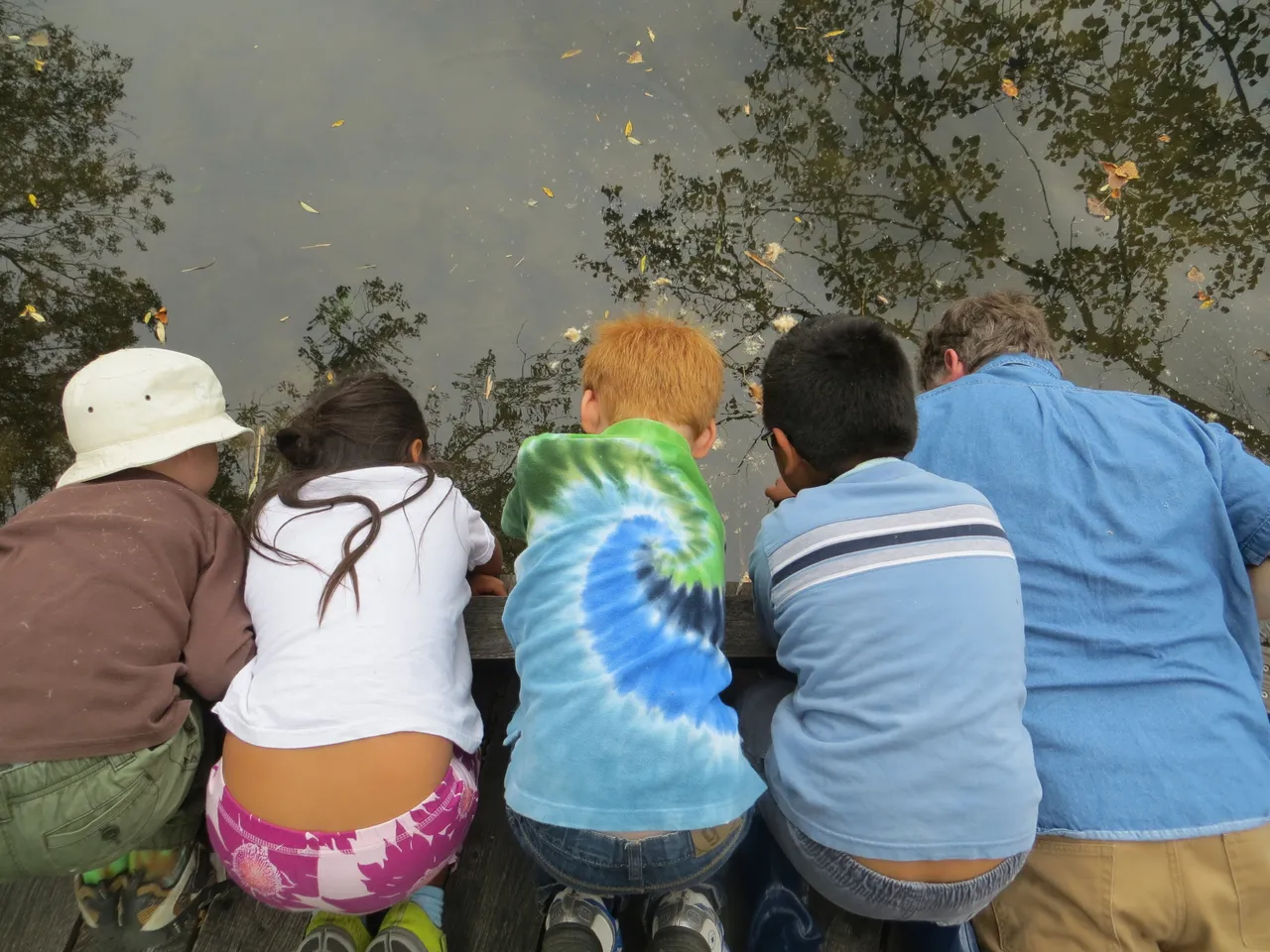
Children are outside every day, in nearly every kind of weather, in a yard designed for the youngest children and separate from the older students' space. PreK and Kindergarten also walk to nearby Fresh Pond several times across the six-day cycle, sometimes for an hour or more. Children come to know the pond across the year: what the trees do in fall, where the ice forms in winter, and what returns in spring. They learn to notice, to wonder, and to care for a place that is theirs.
Beyond the school day.
The Younger Extended Day program serves Pre-K through second grade and runs from dismissal until 6:00 PM, with snack, outdoor play, and student-led activities.
Early Morning Care is available from 7:45 AM on a seasonal basis.
Read more about Extended Day & Extracurriculars →
Signature Projects & Experiences
Below we highlight a few of the signature projects and experiences our Lower School students participate in.
Grade Pre-Kindergarten
Bookmaking
In PreK, students make books. Books with covers and pages and stories inside. Students dictate or write their texts, illustrate them, and bind them. Then the books go somewhere: home, the classroom library, the morning meeting circle. They go somewhere that signals that what the student made is real.
Bookmaking in PreK is foundational to the writing life because it gives children an experience of themselves as authors before they can fully spell. The story matters. The pictures matter. The act of making something that others will read — that matters most. Children who have made books understand, at a felt level, what writing is for and who it's for, getting an embodied experience of the way that books and writing can connect with others, make stories that last, and convey something meaningful about the author to the world they live in.
Founded in 1967, Fayerweather is an all-gender independent private school enrolling students in pre-kindergarten through eighth grade and located in Cambridge, MA. Children here are taken seriously — as thinkers, as individuals, as people whose presence in the world already matters. They learn by doing real things, in real places, for real audiences. They become themselves, in community, over time.