Mission & Values
What we believe.
Every child who comes to Fayerweather is taken seriously as a thinker, as an individual, and as someone whose presence in the world already matters. That's the conviction from which we've built everything here.
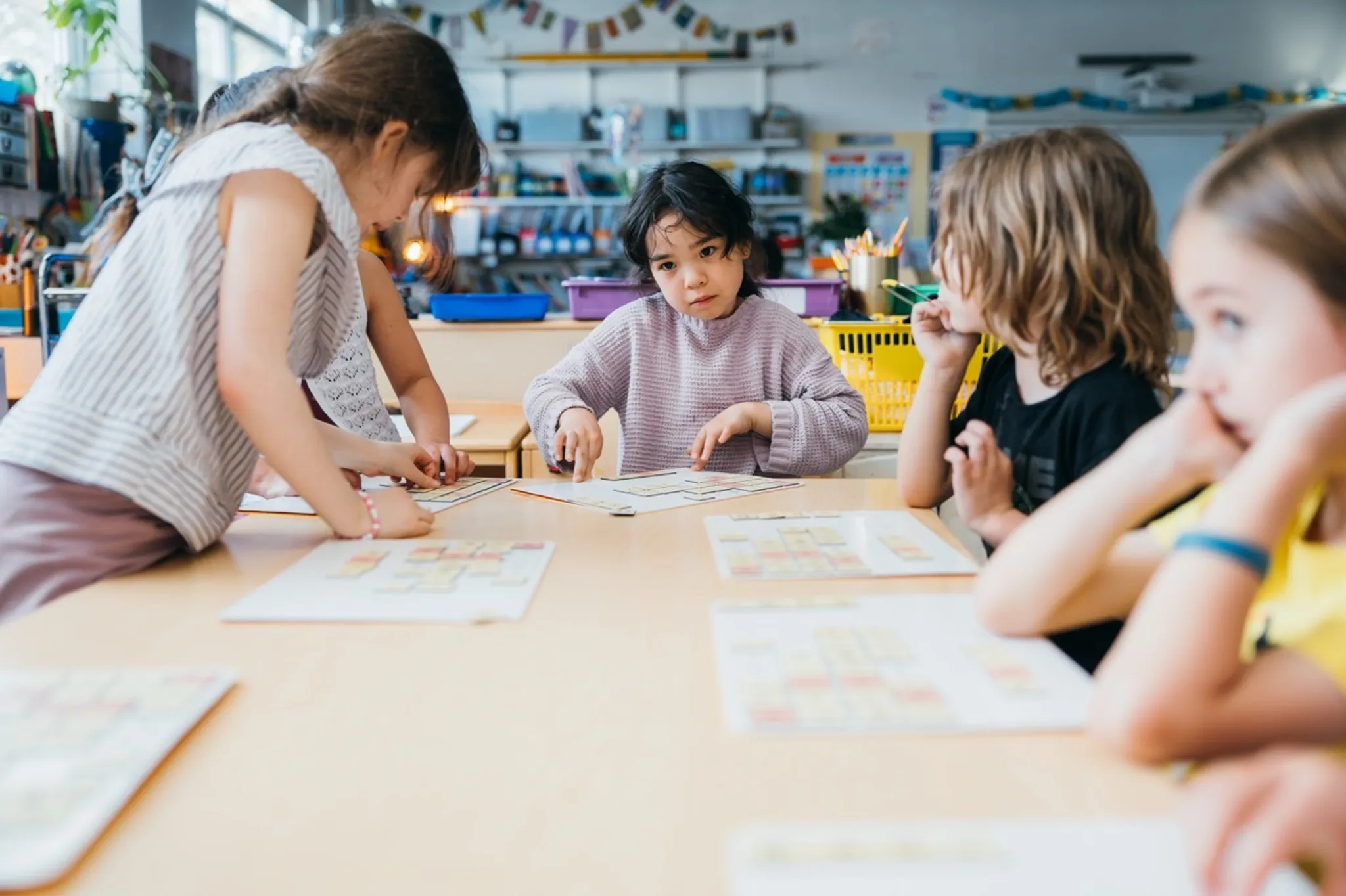
Children learn most durably when the learning connects to something genuine. Skills in reading, writing, mathematics, and scientific reasoning are central to what we do, and they're always in the service of something: a question worth investigating, an argument worth making, a problem worth solving. A child who understands why they're learning something learns it differently than one who doesn't.
Identity is the ground academic learning stands on. A child who is known — by name, by temperament, by what makes them curious — engages more fully and thinks more originally. Children are capable of more than they're usually asked to do, especially together. Community is a practice here, built explicitly into every day: children learn, from the first day of PreK, how to rely on others and to be relied upon, and how to show up for something larger than themselves. The joy that bubbles up in our classrooms is the evidence that all of it is working.
Our philosophy.
The Fayerweather experience rests on four convictions about how children learn and what school is for.
Fully knowing each child is the heart of a great education.
Our teachers know their students: what they're working on, what's hard, what they care about. That knowledge sits underneath everything else they do. Children learn most when the adults around them take their thinking seriously and respond to who they actually are.
Learning is joyful.
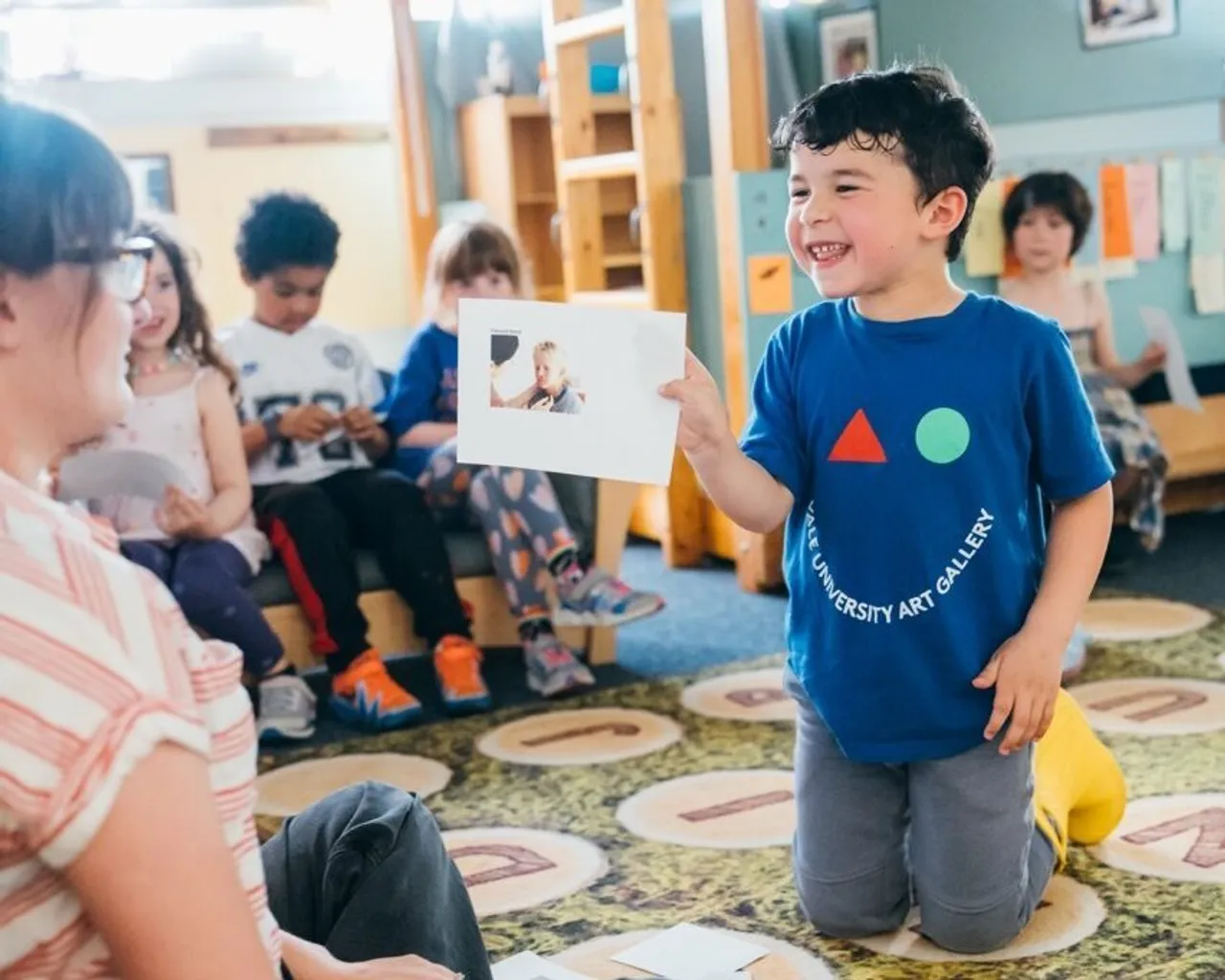
Honoring the pace of childhood and welcoming purposeful, vibrant play is part of how we teach. Children learn deeply when they're delighted, and we design our days with that in mind.
Learning in community is complex and powerful.
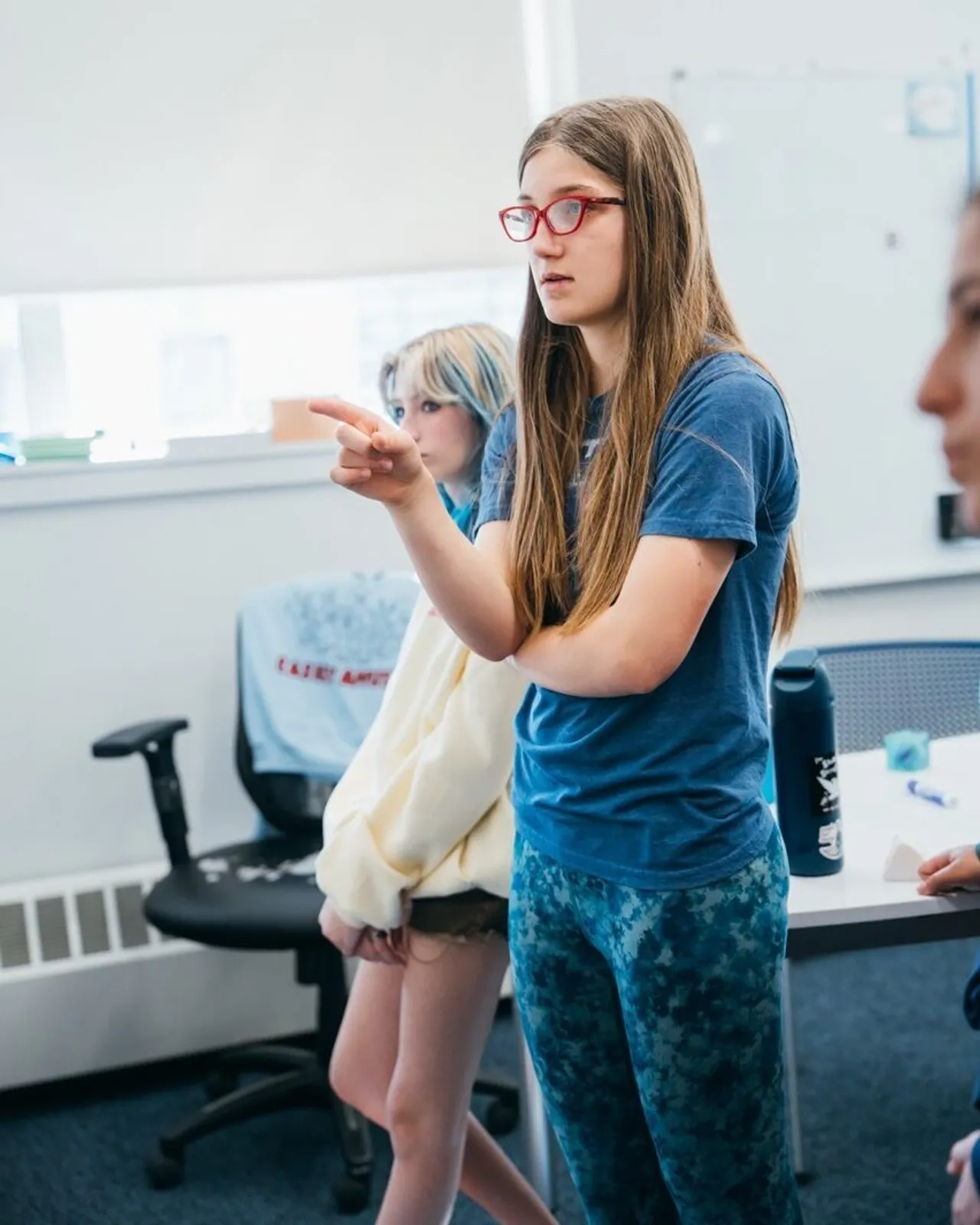
Students and teachers practice the daily work of community: finding common ground, surfacing differences, sitting with disagreement long enough to learn from it. The practice doesn't stop at the classroom door. Caregivers, alums, and staff shape how the school thinks.
Education must address the themes and issues of our time.
Our students are already citizens of their classrooms, of Cambridge, and of a world in motion. Learning at Fayerweather meets them there. It includes thinking critically about power, history, and the consequences of our choices, because that world is theirs to shape, starting now.
Look closer.
Founded in 1967, Fayerweather is an all-gender independent private school enrolling students in pre-kindergarten through eighth grade and located in Cambridge, MA. Children here are taken seriously — as thinkers, as individuals, as people whose presence in the world already matters. They learn by doing real things, in real places, for real audiences. They become themselves, in community, over time.