Head of School
Fayerweather speaks.
When I try to describe what Fayerweather actually is, I come back to the same thing: a school built on a particular belief about children. That they are intelligent and curious long before we give them anything to prove. That they are capable of real thinking, real work, and real community, right now, at four and at eight and at thirteen, not someday when they have grown into it. This belief shapes everything we do: how we teach, who we hire, what we ask of children, and the kind of community we are building alongside them.
Fayerweather is a PK–8 progressive school in Cambridge, Massachusetts. We are made for families who share this belief about children. Families who would rather their child go deep than go fast. Families who want a school that meets each child where they actually are. Families who understand that belonging and intellectual seriousness are not opposing values but the same commitment. What we hope our students carry with them after eighth grade is something specific: the habit of real thinking, the capacity to build something alongside people unlike themselves, and a self they actually recognize. That kind of formation does not arrive in a year or two. It accumulates.
If this is the education you want for your child, I would love for you to come and see it. Spend time on our site: meet our teachers, read about our practices, look closely at how children spend their days. Then come visit us. Walk the hallways. Listen at the open doors. The school will tell you most of what you need to know.
In partnership,
Kim Ridley, Ph.D.
Head of School
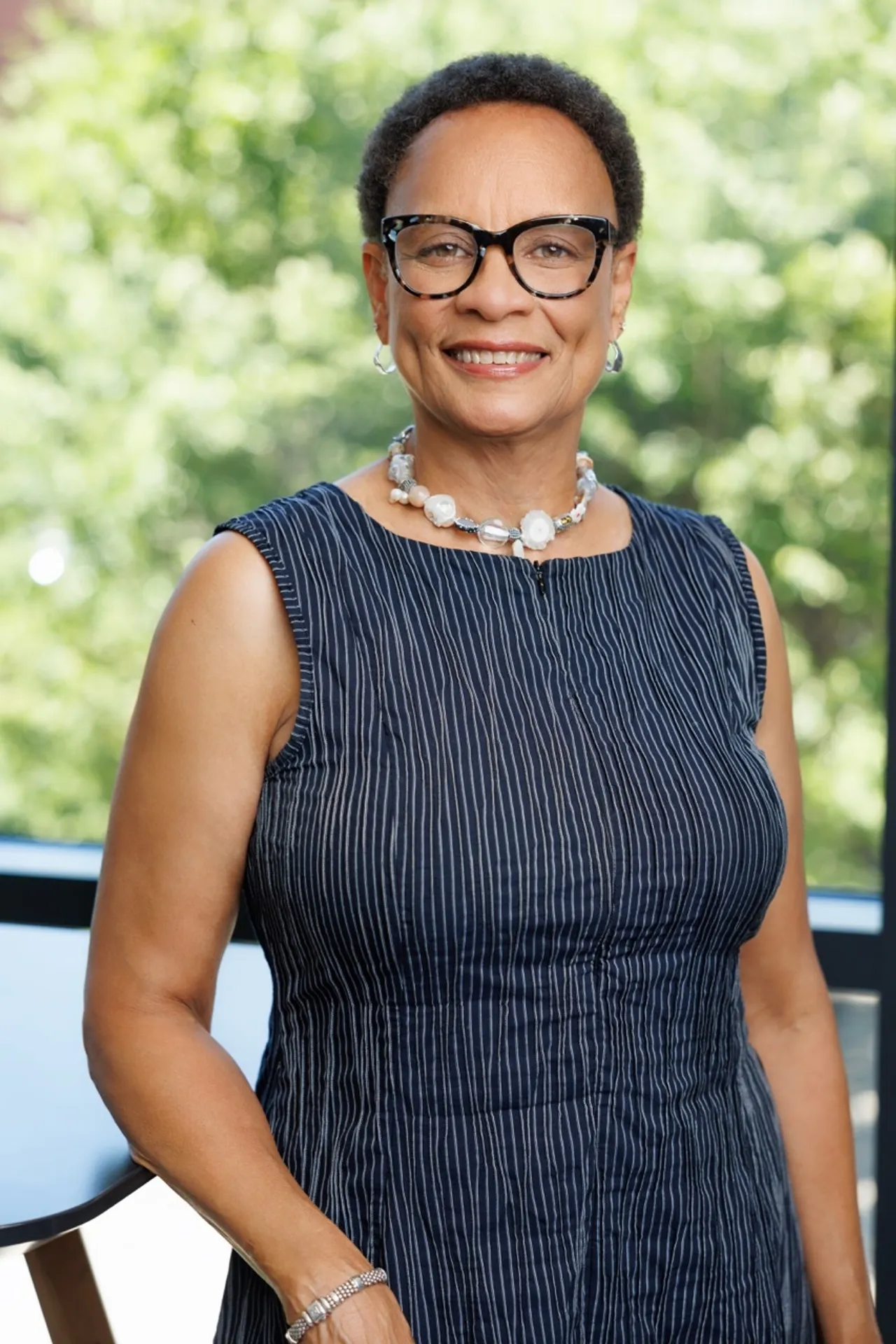
Kim Ridley, Ph.D. in Clinical Psychology
Head of School
Kimberly Ridley, Ph.D., is Head of School at Fayerweather Street School. She has led the school since July 2018.
Kim holds an M.A. in School-Clinical Psychology from Adelphi University and a B.A. in Psychology from Spelman College. She is also an ICF-credentialed leadership coach (ACC) and principal of KTR Coaching/Consulting Services, a practice that shapes how she approaches the growth and formation of teachers and school leaders.
Kim's Corner
The Difference Student Actions Can Make
October 9, 2026
On Monday, October 12, Cambridge will observe Indigenous Peoples' Day, as it has every October since 2016. Many of us remember when the second Monday in October carried a different name, and fewer of us know that Fayerweather students played a small but meaningful part in changing how we acknowledge this day. Though I was not here for the story I am going to tell, it reflects, to me, so much of what we do here, which is why I choose to share it now. It feels particularly relevant when many wonder if their actions can make a difference.
The work began, as so much of the work here does, with children reading closely and asking a question. In 2015, our third- and fourth-graders were studying the Wampanoag people of New England and reading primary sources from Hispaniola, the island where Columbus established the first Spanish settlements in the Americas. What they read about the treatment of the Taíno people did not fit the story of discovery they had grown up with, and they wanted to know why their school marked a day in his name. Children are remarkably good at noticing when a community's celebrations and its stated values have drifted apart.
Their teachers treated that question as one worth pursuing, and the students wrote a petition asking Fayerweather to rename the holiday Indigenous Peoples' Day, which the school did. The following June, the Cambridge City Council voted unanimously to make the same change across the city, in a measure proposed by Councilor Nadeem Mazen and pressed for years by Indigenous organizers, community members, and students. Our students were a small part of a larger conversation in Cambridge that year.
I come back to this story because it demonstrates what we mean when we say that education must address the themes and issues of our time. And that every student here is taken seriously. Our students did not wait until they were “old enough” to have a say in their city. They read carefully, they learned what had been left out, and they used what they knew to ask their community to do better, which is the kind of citizenship we hope they carry with them well beyond eighth grade. Here is to recognizing the land and the people who were here, living full lives before us, and to Fayerweather for bringing these experiences and stories to the forefront of our attention.
Founded in 1967, Fayerweather is an all-gender independent private school enrolling students in pre-kindergarten through eighth grade and located in Cambridge, MA. Children here are taken seriously — as thinkers, as individuals, as people whose presence in the world already matters. They learn by doing real things, in real places, for real audiences. They become themselves, in community, over time.